
Last updated November 17, 2026
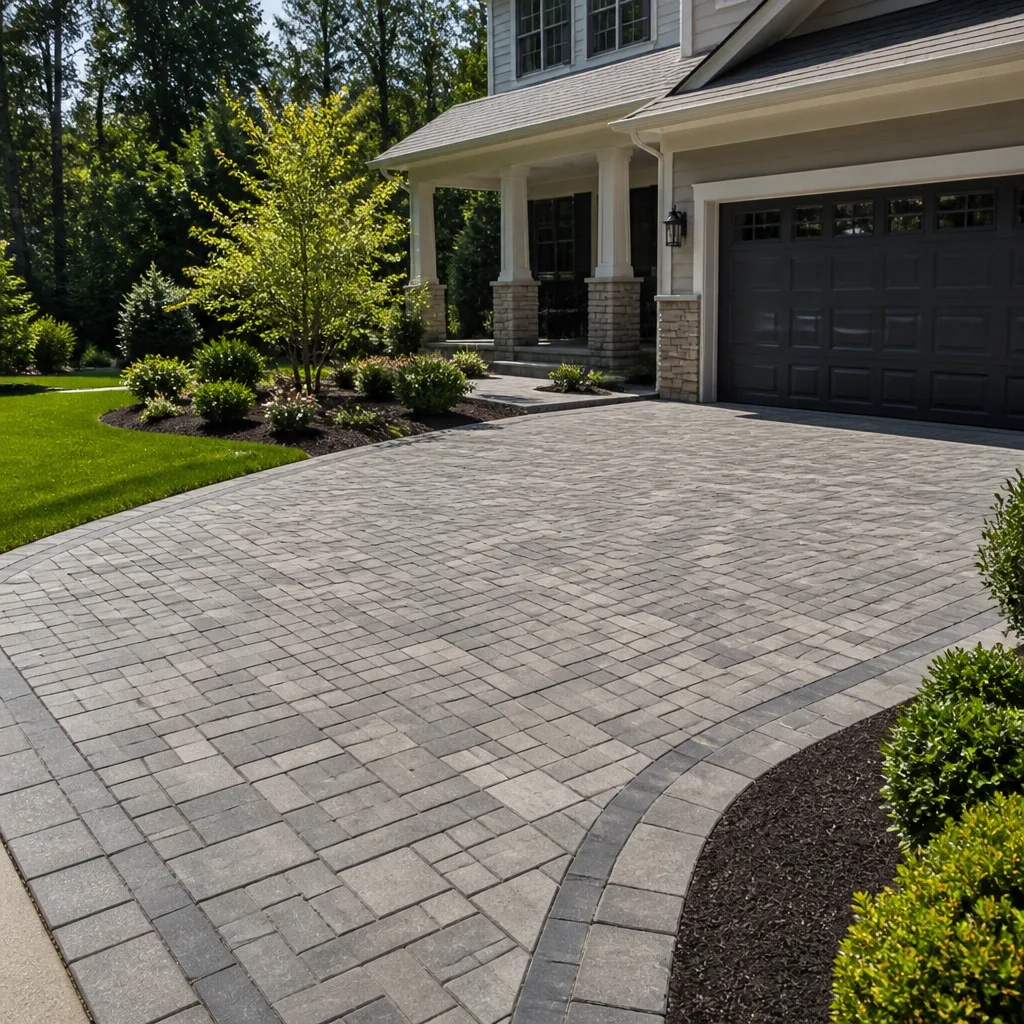 Driveway & pavers
 Kitchen remodeling
 Bathroom remodeling
 Home additions & ADU
 Roofing
 Windows & doors
 Fence
Free written scope consultation - allowances, timeline, and change-order rules on paper before a single trade is scheduled
The Complete Driveway & Pavers Guide for West Covina Homeowners
Most driveway failures in the San Gabriel Valley start six inches underground, not at the surface. A paver can look flawless the day it’s laid and still crack, heave, or settle within two summers, and the culprit is almost always the base the contractor skipped or rushed. West Covina sits on expansive clay soil that swells when it’s wet and shrinks when it’s dry. That movement travels straight up through anything built on top of it, so what you see at the surface is only as good as what’s buried beneath. This guide covers every decision that determines whether your driveway lasts: material choice, base preparation, drainage, joint sand, permits, and cost. If you’re planning a driveway pavers West Covina CA project, this is the reference we’d hand you in person.
Quick Answer
Driveway pavers in West Covina typically run $12 to $28 per square foot installed, depending on the material and site conditions. What separates a driveway that lasts from one that fails in two years is the base: West Covina’s expansive clay soil requires a compacted aggregate base of roughly 6 to 8 inches, plus proper drainage and polymeric joint sand. Our technicians have up to 10 years of experience, and the estimates we provide are free, written, and line-itemized.
Styles & brands we work with
- Kitchen remodeling
- Bathroom remodeling
- Home additions & ADU
- Roofing
- Windows & doors
- Driveway & pavers
- Fence
Table of Contents
- Why West Covina’s Soil Changes Everything
- Base Preparation: The Step That Decides the Job
- Choosing the Right Paver Material
- Slope, Drainage, and Garage Flooding
- Joint Sand: The Detail That Holds the Field
- Permits, HOA Rules, and Impervious Surfaces
- What Driveway Pavers Cost in West Covina
- What a Typical Installation Involves
Why West Covina’s Soil Changes Everything
West Covina is built on clay-heavy ground. During the dry season the clay contracts and opens fine cracks; when rain finally arrives, those cracks fill, and the clay swells against whatever sits on top of it. On a driveway, that swelling and shrinking repeats every year. If the base is thin, the pavement above it has nowhere to move but up or down, and that is where the cracks and trip edges begin.
This is why a driveway built to the standards of a sandy-soil city won’t hold up here. In sandy regions, a shorter base layer compacts and drains quickly. In West Covina, the clay underneath means the pavement has to be insulated from soil movement with a thicker, well-compacted layer of engineered aggregate. The general rule we follow here is 6 to 8 inches of compacted class II base material, set on properly prepared subgrade, before any bedding sand goes down.
Here is what happens when that step gets skipped or rushed:
- The paver field settles unevenly, and the edges begin to sink.
- Water collects under the pavement because the base can’t drain it away.
- Joint sand works loose, and pavers shift out of alignment.
- Heaving appears near the garage apron and along the driveway edges.
- Concrete slabs and decorative borders crack at the seams.
In our experience, the base is where a low bid saves money and where the homeowner pays for it later. If a contractor can’t tell you exactly how deep the base will be, how it will be compacted, and what drain it will drain toward, that’s the conversation worth having before anyone signs anything.
Base Preparation: The Step That Decides the Job
Base preparation follows a set order, and each step depends on the one before it. The reason this matters so much in West Covina is that clay soil responds poorly to shortcuts. A visual inspection alone doesn’t tell you whether the base is compacted; it has to be tested in lifts, layer by layer. Here’s what the process looks like when it’s done right.
- Excavation. Remove the old surface and dig down far enough to make room for base, bedding sand, and pavers, keeping the finished grade at the right level for your garage apron.
- Subgrade prep. Grade and compact the exposed soil so the base above it has a stable bed.
- Geotextile fabric. Lay a separation layer, which keeps clay fines from migrating up into the aggregate over time.
- Aggregate base in lifts. Spread class II base in layers of roughly 2 to 3 inches and compact each layer before the next goes down. This is where the 6 to 8 inches get built correctly.
- Screeded bedding sand. Level a thin sand layer for the bedding course that the pavers sit on.
- Paver placement and edge restraint. Set the pavers to the planned pattern and lock them with edge restraint along the perimeter.
- Compaction and joint sand. Compact the finished field and work joint sand into the gaps.
We’ve seen how often this process gets compressed into a single day to hit a low bid. In our experience, the base layer takes the time it takes, and that’s what keeps the driveway intact through the first fully wet winter. Any contractor who treats the base as a formality is treating your driveway as disposable.
Choosing the Right Paver Material
Southern California sun is hard on surfaces. Pavers here deal with intense UV, then months without rain, then a rainy season that arrives all at once. The material you choose has to handle that cycle without fading, cracking, or absorbing water it can’t release. These are the main options and how each behaves in West Covina.
Concrete Pavers
Concrete pavers are the most common choice for driveways in West Covina for good reason. Color goes clear through the body of the paver, so chips don’t reveal a different color underneath, and a range of finishes handles the heat and sun without much fading. Brands like Belgard, Unilock, Techo-Bloc, Cambridge Pavers, and Tremron offer dense, high-quality paver lines built for vehicle traffic. They are easy to repair: a single damaged paver can be lifted and replaced without touching the rest of the field.
Natural Stone
Natural stone brings a different look and a different budget. Travertine, limestone, and bluestone are popular, and they hold their color well in strong sun. The catch is that natural stone varies in density and porosity, so the choice of stone matters as much as the installation. Stone is heavier and generally commands a higher installed price than concrete pavers. It also demands a base prepared to a higher standard, because stone doesn’t flex the way a manufactured paver does.
Permeable Pavers
Permeable pavers are designed with wider joints or open channels, and the base beneath them is engineered to store and release water rather than shed it toward the street. In a place where rain arrives in concentrated bursts after a dry stretch, permeable systems can reduce runoff and help manage drainage on a flat lot. They require a base built differently from a standard driveway, and they don’t work in every installation, so the site has to be evaluated honestly before they’re specified.
Choosing a material is a decision your contractor should present with options, not one they make for you. Construction West Covina works with a broad roster of paver manufacturers and can put several brands and finishes side by side at different performance and price points. Explore driveway & pavers for more on how these systems come together.
Slope, Drainage, and Garage Flooding
Many lots in West Covina are flat or nearly flat, which creates a specific drainage problem. Water needs somewhere to go, and if the driveway pitches toward the garage instead of away from it, that water finds the garage door. The fix isn’t complicated, but it has to be designed in from the start. Driveway slope needs to run away from the house and toward a drain or a pervious area, and the pitch needs enough grade that water actually moves rather than pooling.
The pieces that make drainage work on a flat West Covina lot:
- Correct pitch. The finished surface should shed water away from the garage, not toward it.
- Channel or trench drains. A drain at the low point, placed where water actually collects, moves it off the driveway instead of letting it sit.
- Drain placement matters more than drain size. A drain in the wrong spot lets water pool around it while the low corner floods.
- Pervious edge zones. Where the lot allows, a pervious border or planted strip gives water a place to soak in.
- Coordination with the apron. The transition between the apron and the driveway is where most garage flooding begins, so it deserves its own attention.
If your current driveway has a low spot near the garage, or if rain has ever backed up to the door, that’s a signal the drainage was never planned properly. Correcting it is part of the installation, not an add-on. We look at every flat driveway with the runoff path in mind before we propose a single material.
Joint Sand: The Detail That Holds the Field
Joint sand is the smallest visible part of a paver driveway and one of the biggest determinants of whether it holds up. There are two main types, and the difference is significant in West Covina’s wet-then-dry cycle.
Regular Sand
Regular sand fills the joints and looks finished on day one. Trouble is, it’s loose and prone to washing out during heavy rain. Once it’s gone, joints open up, pavers loosen, and the field starts to move. On a slope or near an edge that catches runoff, regular sand can be washed clean in a single storm.
Polymeric Sand
Polymeric joint sand hardens after installation and locks the pavers together while keeping weeds out and blocking water from getting under the field. On a West Covina driveway, polymeric sand is the default we recommend, and it’s especially important for driveways with any slope, because it resists the shear force of water running across the surface. It does need to be installed correctly: the joints must be clean and dry, the sand has to be worked fully into each joint, and it has to cure without rain hitting it.
Handled right, polymeric sand makes the difference between a paver field that stays aligned for years and one that starts shifting after the first wet season. If a contractor quotes regular sand on a driveway with grade, ask why.
Permits, HOA Rules, and Impervious Surfaces
Replacing a driveway is not a small exterior project, and in most cities it triggers a permit. West Covina is no exception. Before scheduling, your contractor should confirm with the City of West Covina’s building department whether a driveway replacement or widening requires a permit, whether the project touches the public right-of-way, and what inspection process applies. Rules vary and they change, so the safe move is to ask the city directly rather than assume.
The other layer is impervious surface rules. A driveway is a hard, non-absorbing surface, and some cities limit how much impervious area a lot can add. If the project changes the driveway footprint or adds square footage, that coverage may count against the property’s allowance. A contractor who understands this checks before finalizing the plan, not after the pavers are on the ground.
HOA Considerations
If you live in a West Covina community with an HOA, board approval usually comes before permits. HOAs often have rules about paver color, pattern, border style, and any change to the driveway footprint. Getting the approvals in hand early avoids a delay after materials are ordered. A good contractor will supply layout and material samples for the HOA submission, because boards respond to specifics.
We treat permits and approvals as part of the job, not as the homeowner’s homework. Every proposal should spell out who is filing, who is pulling the permit, and what happens if the city requires something that wasn’t in the plan. When a company can manage the whole property, from the curb line in, this is one less handoff: Construction West Covina handles exterior scopes like driveways, fencing, roofing, and windows under one contract, so there’s no gap between trades.
What Driveway Pavers Cost in West Covina
Driveway paver installation in West Covina is typically quoted by the square foot, and the range runs about $12 to $28 per square foot installed. The final price depends on material choice, the depth of base required, site access, the condition of the existing surface, and how much drainage or demo has to be added. These are estimated ranges; your written estimate sets the final price.
| Line item | Typical estimated range |
|---|---|
| Concrete paver material and installation | $12 – $18 per sq ft |
| Premium decorative pavers and borders | $16 – $24 per sq ft |
| Natural stone installation | $22 – $28 per sq ft |
| Base correction and repair | $6 – $12 per sq ft |
| Channel or trench drain installation | $450 – $1,200 per drain |
| Driveway demolition and hauling | $2 – $5 per sq ft |
Here’s how to read a quote. A proposal that shows a base range, a material allowance, drain placement, and demo as separate lines gives you a number you can compare. A single toned price with no breakdown hides where the corners get cut. If two bids for the same square footage differ by thousands, the difference is usually in the base depth or the joints, not the pavers themselves.
Pricing the whole property at once can also save on mobilization, and it gives you a chance to match the driveway with fence installation at the same time so the curb, the hardscape, and the perimeter are planned together. If you’re also considering adding square footage, our home additions & ADU page covers the options, from stick-built to prefab systems like Dvele, Mighty Buildings, and Boxabl.
What a Typical Installation Involves
Most driveway paver installations in West Covina follow a predictable sequence. Understanding it helps you plan around it and know what to expect when a contractor shows up with a machine that looks like it will be there a while.
- Site visit and measurement. Confirm the driveway footprint, the existing condition, the drainage path, and the garage apron level.
- Written estimate. Line-item pricing on material, base, demo, drainage, and edge restraint, with brands and finishes listed.
- Permit and HOA submission. Confirm the city’s requirements and any homeowner association approvals before work begins.
- Demolition. Remove the existing surface and haul it away.
- Excavation and base build. Dig to the correct depth, then bring in aggregate in compacted lifts to reach the 6 to 8 inches the clay soil requires.
- Bedding and pavers. Screed the bedding sand, set pavers, install edge restraint, and compact the field.
- Joint sand and cleanup. Work polymeric sand into the joints, allow the cure, and clean the site.
A straightforward driveway is typically a multi-day job depending on square footage and the base work required. Larger projects and complex drainage take longer. The written estimate will spell out the schedule and the sequence so there are no surprises.
Common Mistakes to Avoid
- A too-thin base. A base built for sandy soil won’t survive on West Covina’s clay. Ask exactly how deep the compacted base will be and how many compacted lifts it will take.
- Using regular joint sand on a driveway. Regular sand washes out during heavy rain, opening the joints and letting the field shift. Polymeric sand is what holds the field together.
- Drain placement made an afterthought. A drain in the wrong spot doesn’t solve garage flooding. It has to sit at the actual low point of the finished surface.
- Skipping the permit. Driveway replacement usually requires a permit in West Covina. Unpermitted work can come up at resale or during an inspection.
- Ignoring HOA rules. Board approval usually comes before the first paver is delivered. Confirm color, pattern, and footprint rules early.
- Cutting corners on edge restraint. Perimeter restraint is what keeps the pavers from spreading outward under load. It’s invisible once finished and easy to cut, which is exactly why it gets cut.
- Choosing a paver color from a photo. Paver color changes dramatically in West Covina’s sunlight. Ask to see samples under your actual conditions.
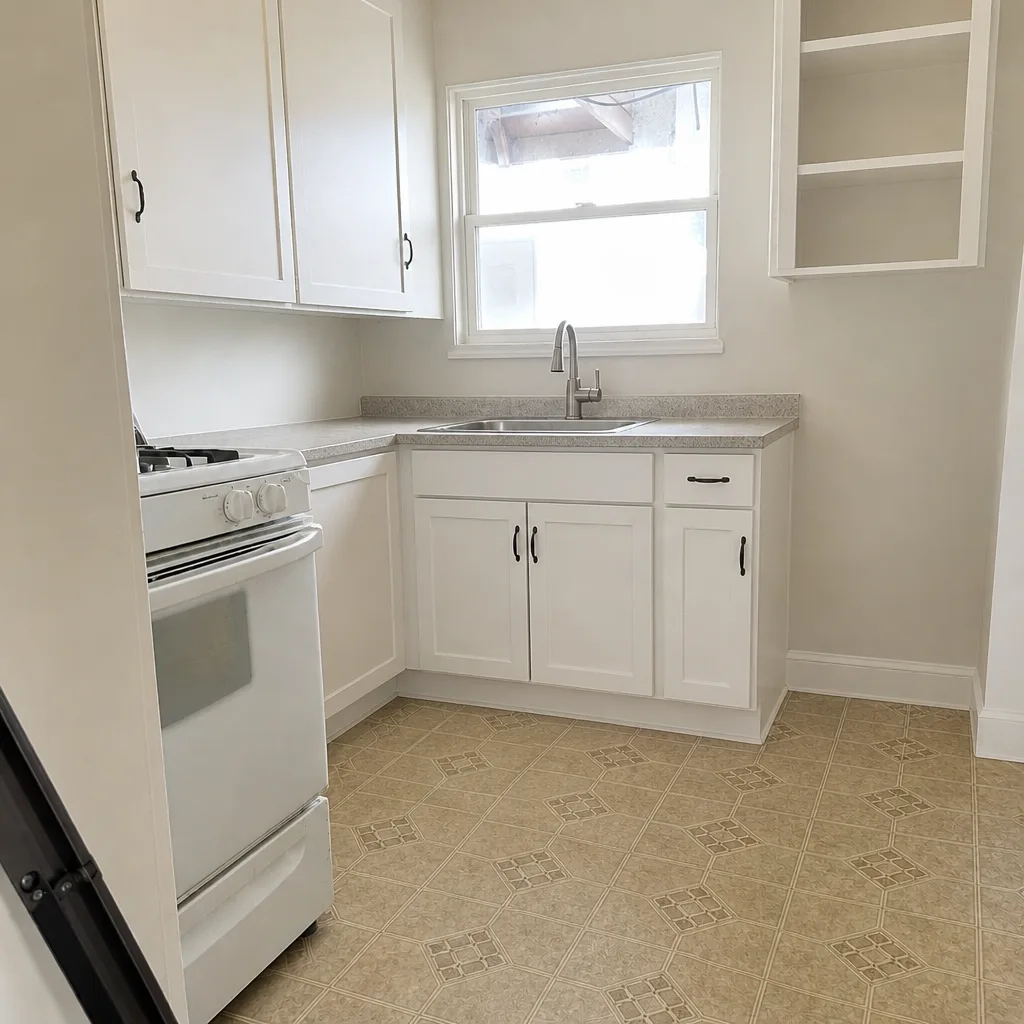
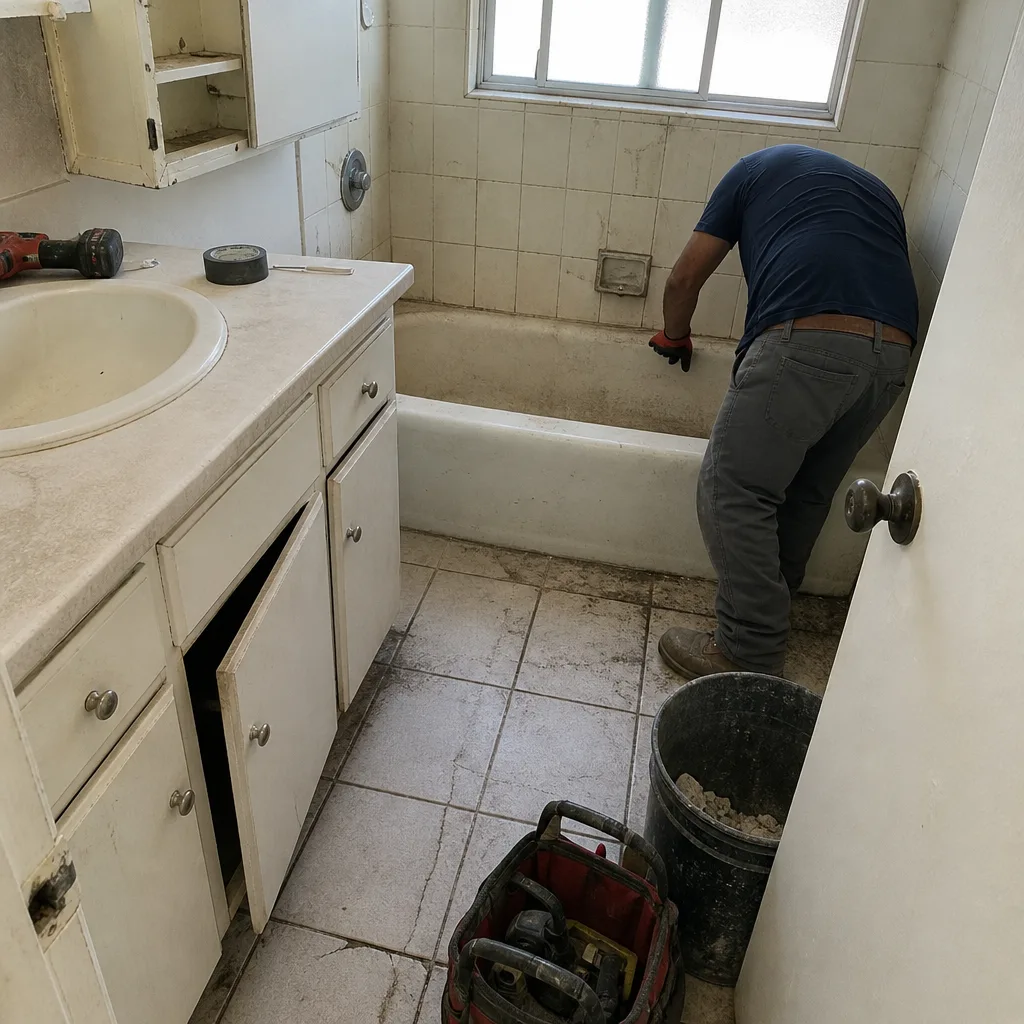
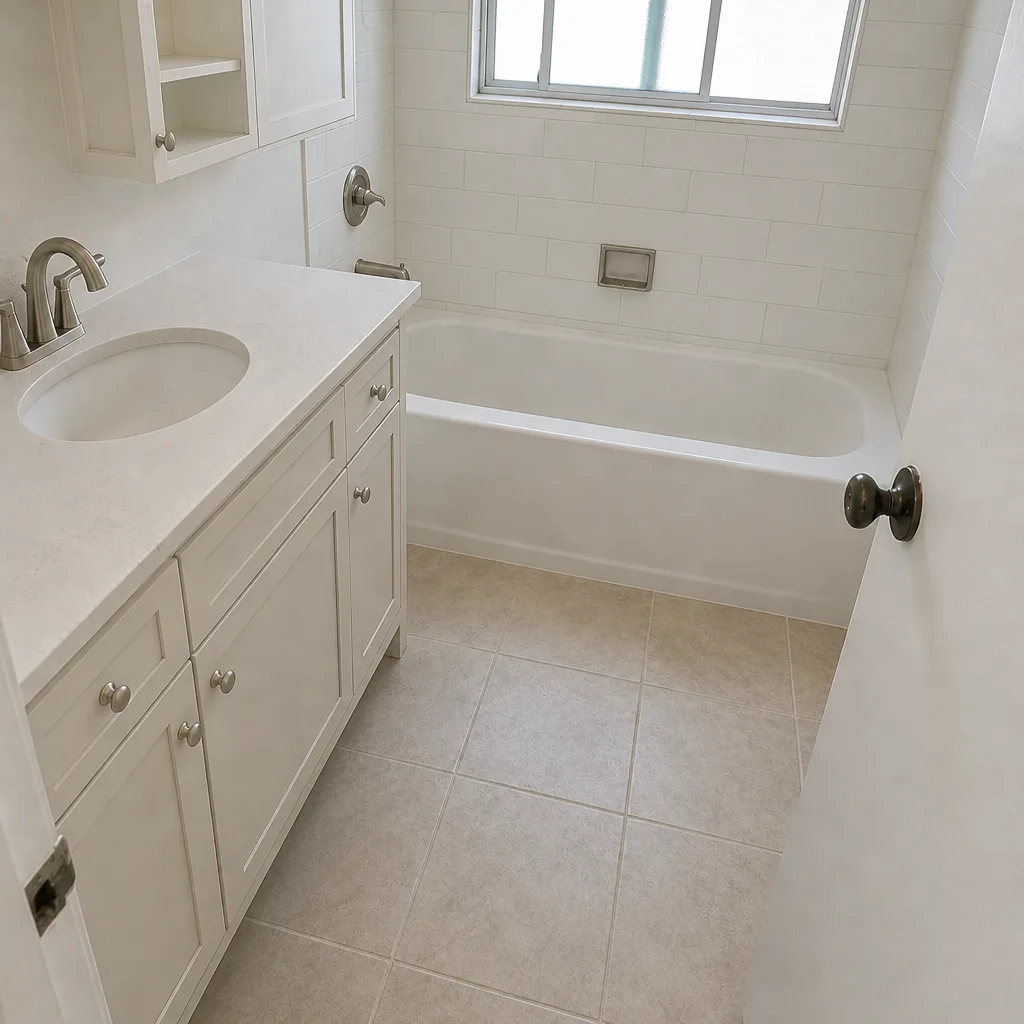
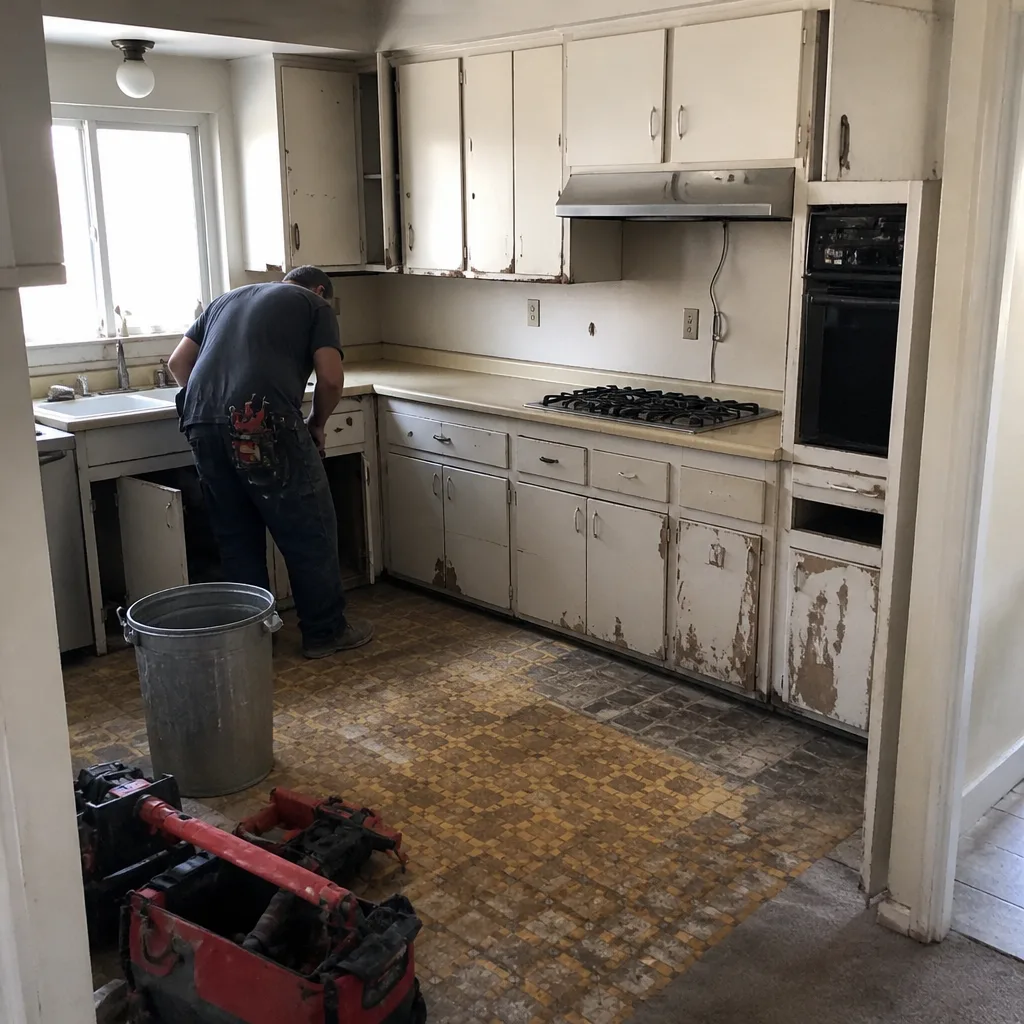
See the difference
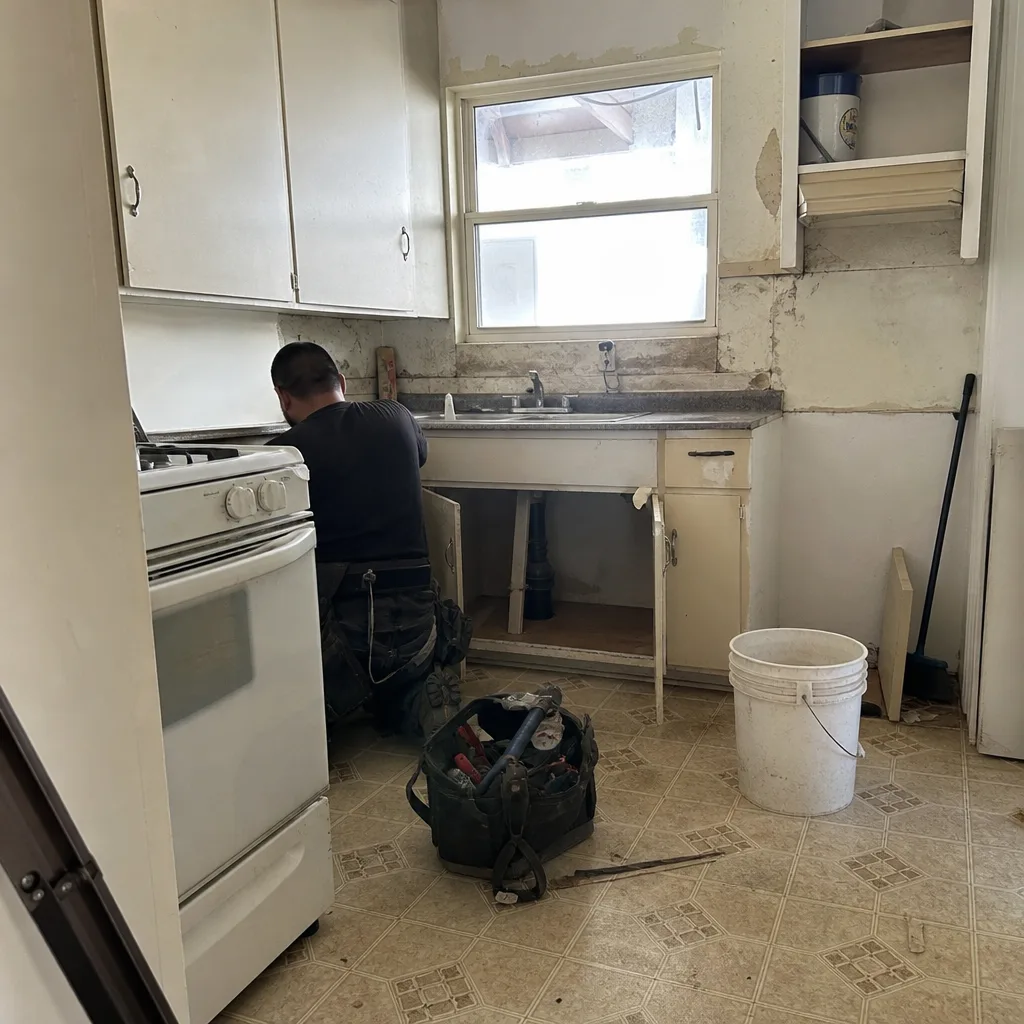 Before
 After
 Before
 After
 Before
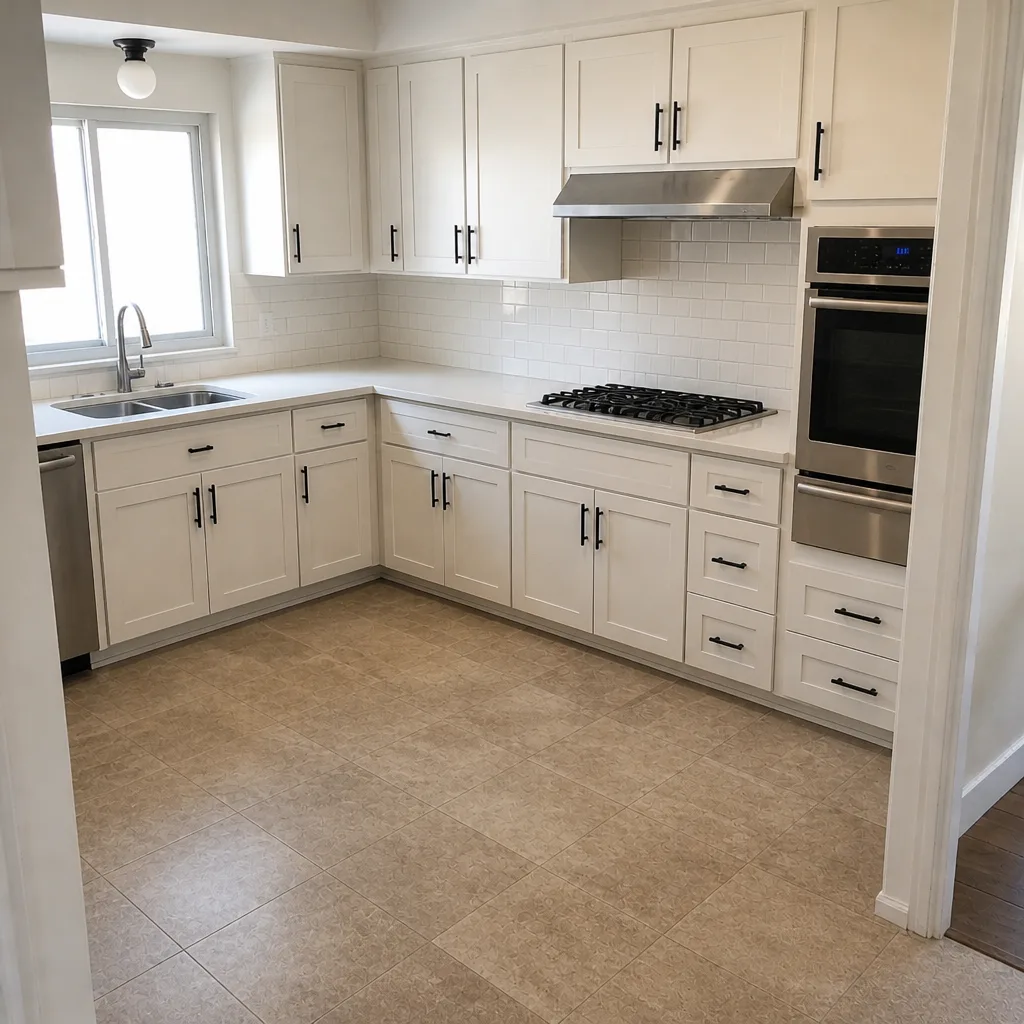 After
When to Call a Professional
You’ll want an experienced contractor on the job when your driveway shows any of the following: pavers that have sunk or begun to rock, joints that keep opening up after you fill them, water pooling near the garage door, cracks along the edge restraint, or an existing surface that has already been patched multiple times. A new driveway also calls for professional help when your lot is flat and drainage needs designing, when permits and HOA approval are required, or when you’re deciding between concrete pavers, natural stone, and permeable systems for a large area. If the scope reaches past the driveway and into the whole property, having one contractor manage the curb-to-kitchen project simplifies the accountability. Construction West Covina offers free estimates in West Covina. Call (844) 320-3099 to schedule yours. We answer 24/7. Fast dispatch from 7am to 7pm, Sunday through Friday.
Frequently Asked Questions
Driveway pavers in West Covina typically cost $12 to $28 per square foot installed, with concrete pavers toward the lower end and natural stone toward the upper end. The base depth, drainage, and demo can add to that range. Call (844) 320-3099 for an exact quote, and estimates are free.
West Covina sits on expansive clay that swells when wet and shrinks when dry, so the driveway needs a compacted aggregate base of about 6 to 8 inches to isolate the pavers from soil movement. A thinner base built for sandy soil will heave and crack within a couple of seasons. The written estimate shows the base depth, so you can compare bids against what the ground here actually requires.
In most cases, driveway replacement requires a permit from the City of West Covina. Rules vary depending on whether the project touches the public right-of-way or changes the impervious surface footprint. Confirm with the building department before scheduling, and make sure your contractor is filing the paperwork. Call (844) 320-3099 with questions about how we handle permits.
No. With a written line-item estimate, the price is fixed, and change orders only happen when you approve a scope change. The main reason a price moves mid-project is an unseen condition, and the estimate says up front whether that’s a possibility. Call (844) 320-3099 to schedule a free estimate.
Polymeric sand hardens in the joints and locks pavers together against water and weeds, while regular sand stays loose and washes out during heavy rain. In West Covina’s wet-then-dry cycle, polymeric sand is the difference between a field that stays aligned and one that shifts. Ask your contractor which one is specified before work begins.
Most driveway installations take a few days to a week, depending on square footage, base work, and drainage. Base building takes the largest share of time because it has to be compacted in lifts. The written estimate includes the schedule, and you can call (844) 320-3099 for details specific to your property.
The Bottom Line
A driveway in West Covina is a decision about soil before it’s a decision about color. The expansive clay beneath your lot demands a compacted base in the range of 6 to 8 inches, proper drainage away from the garage, and polymeric joint sand to hold the field together through every wet and dry cycle. Concrete pavers, natural stone, and permeable systems all work here when the base is right. Choose a contractor who will show you the base depth, the drain path, and the permit plan, and put it in writing. One contractor from the curb to the kitchen keeps the whole property coordinated, and the estimate is free. Call (844) 320-3099 to schedule yours. We answer 24/7. Fast dispatch from 7am to 7pm, Sunday through Friday.
Written by the team at Construction West Covina.