
Last updated November 17, 2026
 Home additions & ADU
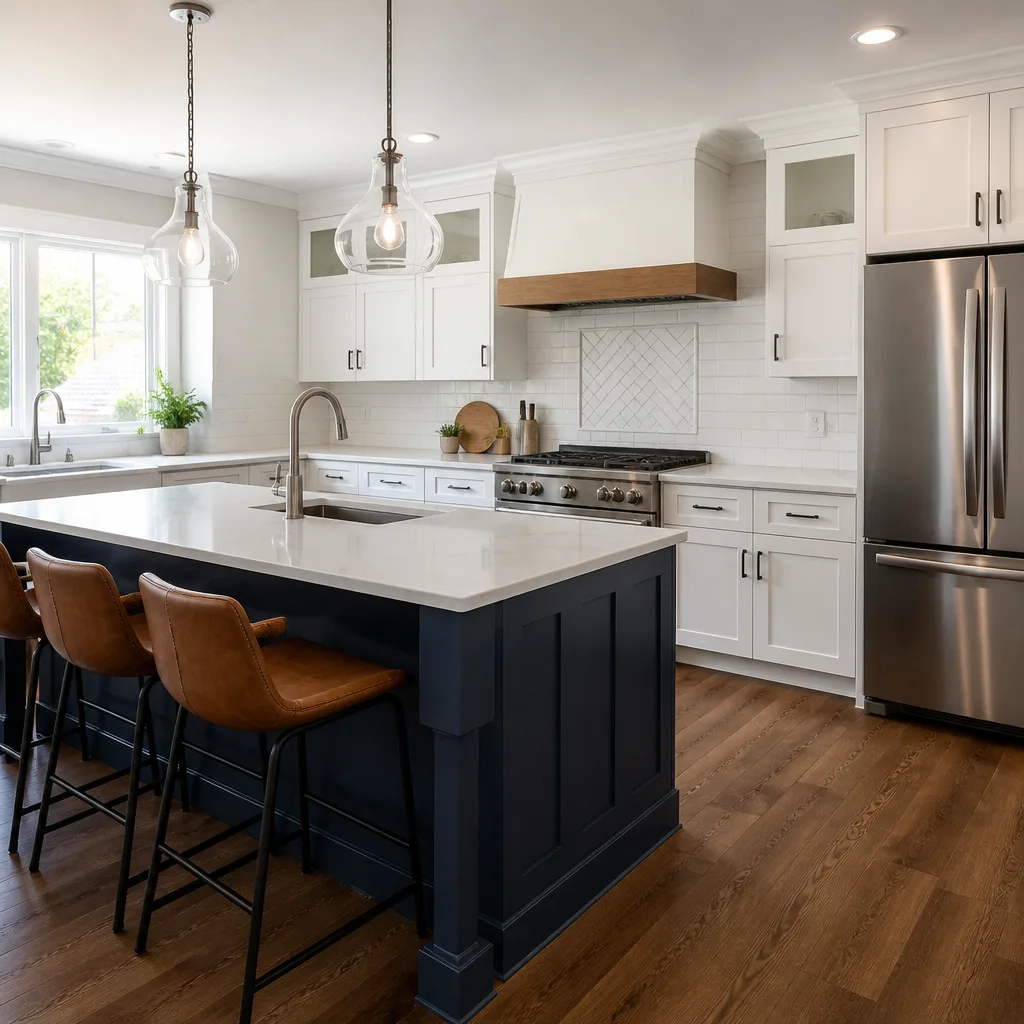 Kitchen remodeling
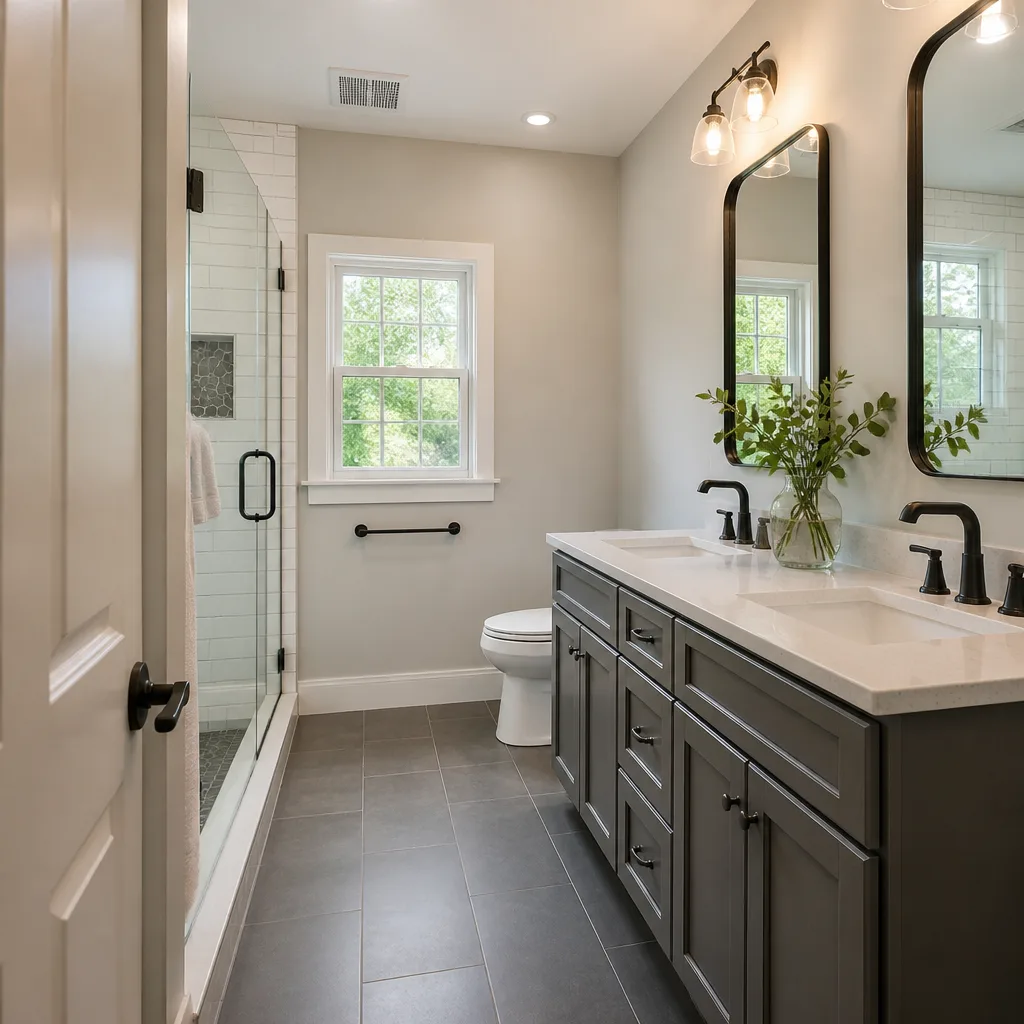 Bathroom remodeling
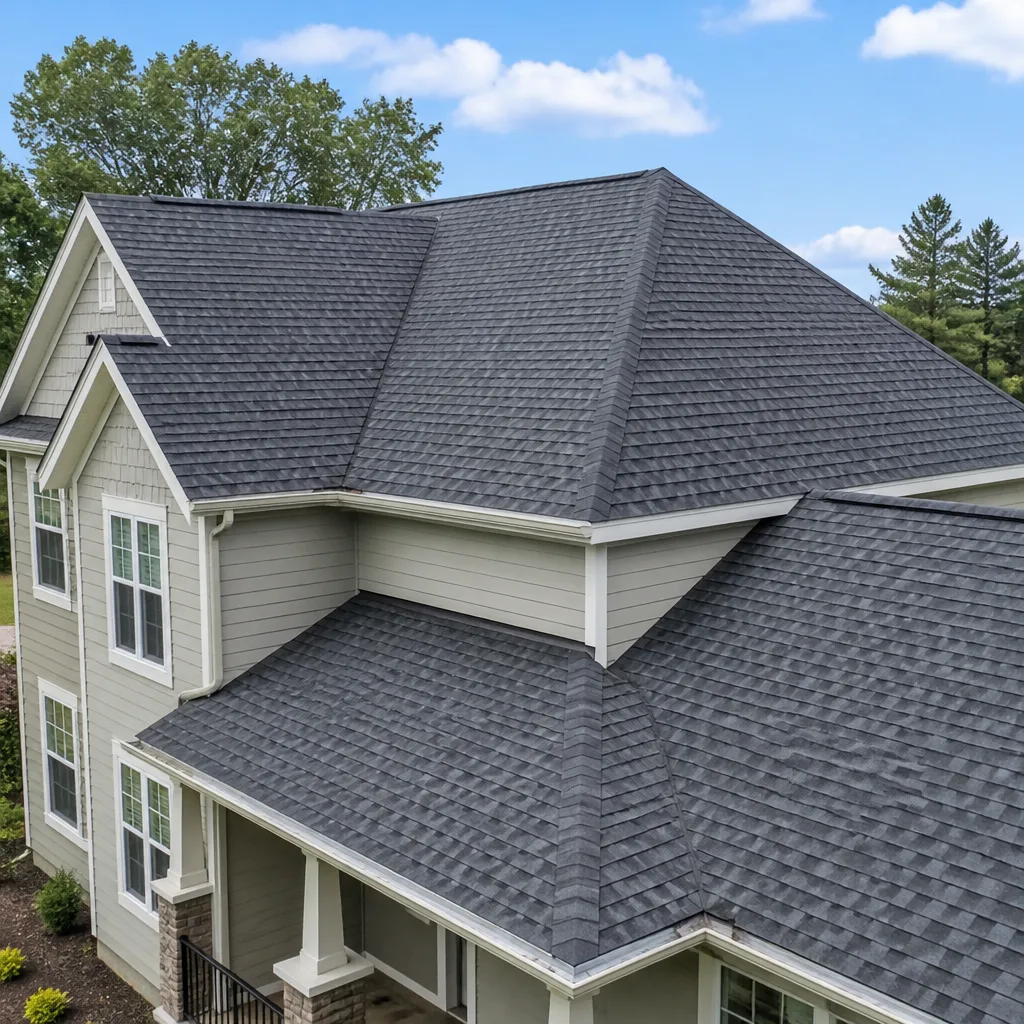 Roofing
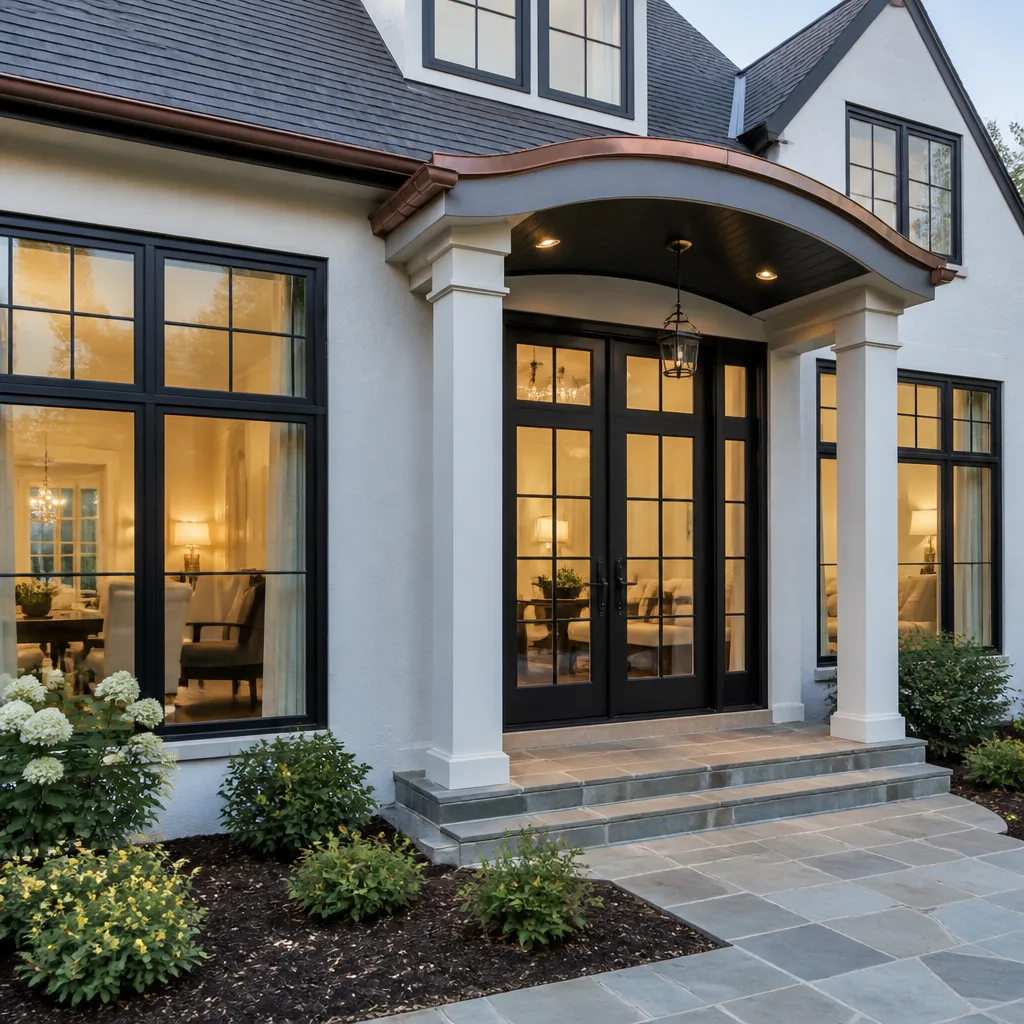 Windows & doors
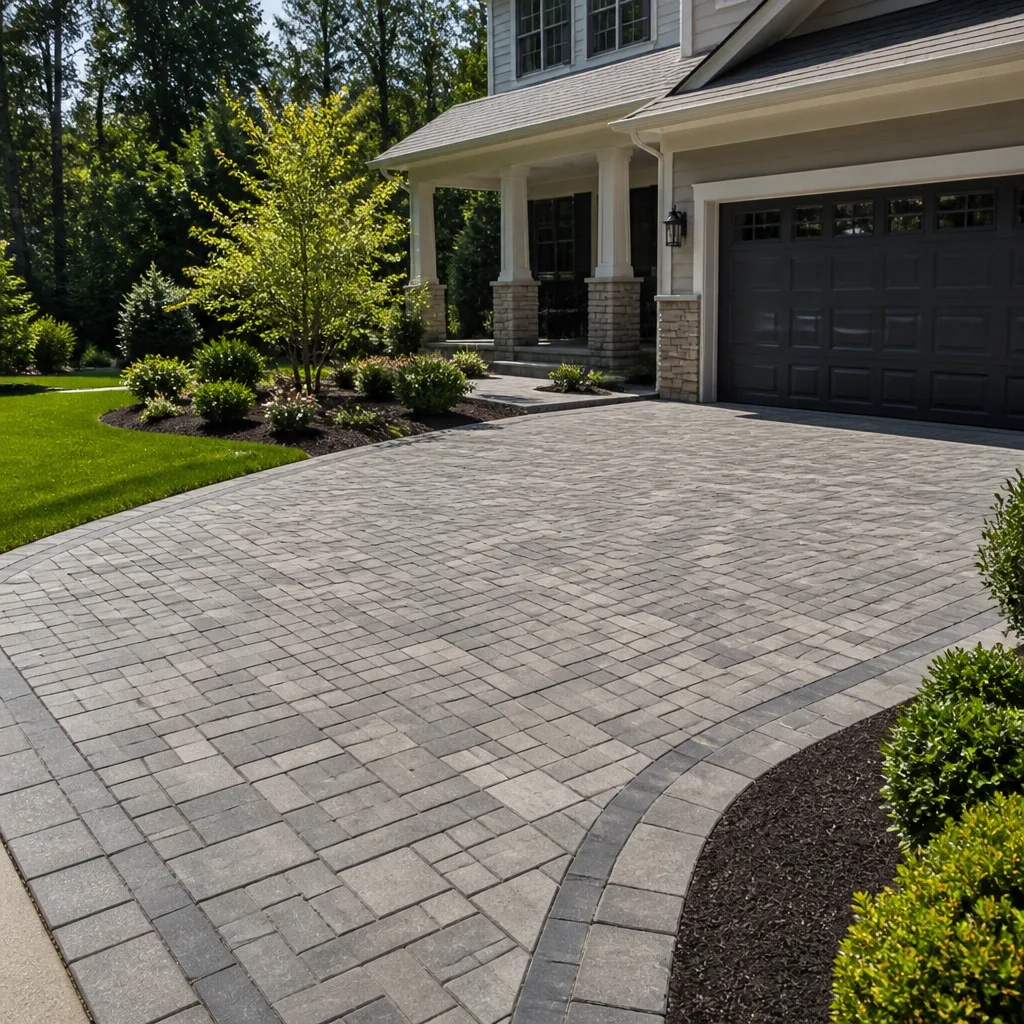 Driveway & pavers
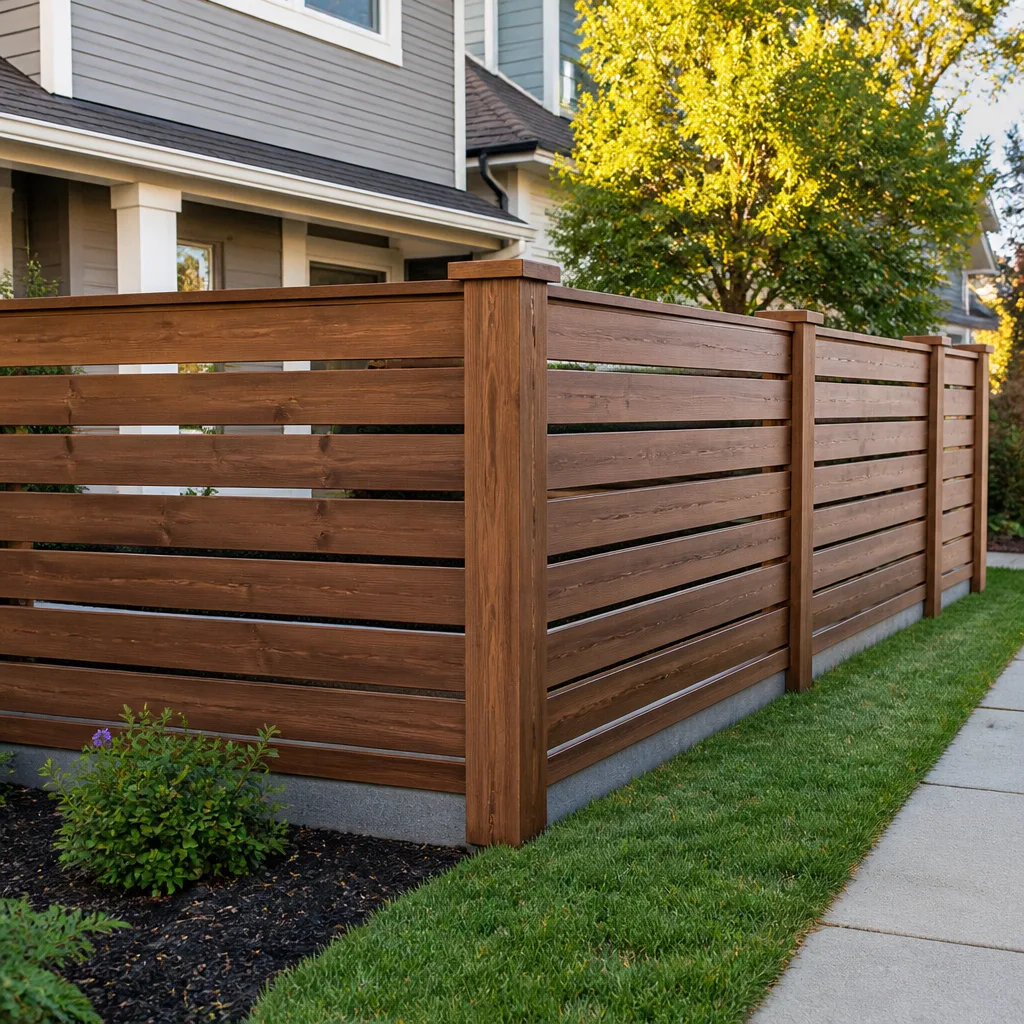 Fence
Free written scope consultation - allowances, timeline, and change-order rules on paper before a single trade is scheduled
Construction Emergency Preparedness Guide for West Covina Homes
After a moderate earthquake, the most dangerous moment for a West Covina homeowner isn’t the shaking. It’s re-entering a home where the stucco looks perfectly intact but the wall framing has shifted off its anchor bolts. That condition is invisible from the street, invisible from your driveway, and structurally critical. The same pattern shows up after wildfire ember exposure and after a flash flood sweeps across a flat clay lot. The damage that matters most is usually the damage you can’t see. This guide walks through what actually happens to West Covina homes in each scenario, what to check and in what order, how to document it for a California insurance claim, and why the homeowners who fare best are the ones who planned before anything happened.
Quick Answer
Construction emergency preparedness for West Covina homes means knowing three things in advance: the post-earthquake inspection sequence (foundation anchor points, gas shutoff, chimney separation) before you re-enter, the specific wildfire ember vulnerabilities of foothill-adjacent homes (wood fascia, unscreened attic vents, fencing attached to the structure), and the 48-hour window after flash flooding that determines whether water damage stays cosmetic or turns into a mold problem. Homeowners with an established contractor relationship get triaged into repair queues far faster than disaster-zone newcomers, who wait weeks for a first visit.
Styles & brands we work with
- Kitchen remodeling
- Bathroom remodeling
- Home additions & ADU
- Roofing
- Windows & doors
- Driveway & pavers
- Fence
Table of Contents
- Post-Earthquake Inspection: What to Check Before You Re-Enter
- Wildfire Ember Intrusion: The Construction Gaps in West Covina Foothill Homes
- Flash Flooding on Flat Lots: Emergency Drainage and the 48-Hour Mold Window
- How to Document Construction Damage for a California Insurance Claim
- Why a Pre-Emergency Contractor Relationship Changes Your Timeline
- Building Your West Covina Emergency Prep Kit and Plan
- What Emergency Repairs Actually Involve and How They’re Priced
Post-Earthquake Inspection: What to Check Before You Re-Enter
The exterior of a West Covina home can pass a visual test and still hide serious structural movement. Stucco is rigid enough to bridge small shifts in the framing behind it, which means cracks in the finish don’t always match the severity of what’s underneath. Anchor bolts are the specific failure point to think about: when framing lifts off or slides on its sill plates, the walls stay plumb-looking from the outside while the connection between house and foundation has already been compromised. That’s the condition that requires a licensed structural assessment before you move back in.
Work through this sequence before you re-enter, and stop at any step that raises a doubt:
- Smell and listen from outside. A gas odor or a hissing sound near the meter means shut the supply off at the meter if you can safely reach it, then leave and call the gas utility. Don’t flip light switches or use a phone near the leak.
- Check the foundation line from the yard. Look for a visible gap between the bottom of the stucco and the foundation, fresh cracking that runs diagonally from window corners, or doors that have suddenly gone out of square.
- Inspect the chimney from a distance. Masonry chimneys separate at the roofline more easily than the rest of the house. A visible lean, a gap at the roof penetration, or fallen mortar in the yard means keep clear of that side of the house.
- Open the garage and look at the framing. This is often where a West Covina homeowner can actually see the anchor bolts and sill plate. Look for gaps, split wood at the bolt line, or a wall that has moved relative to the slab.
- Walk the interior slowly. Check that interior doors still latch, look for new cracks above door frames, and check that the water heater is still strapped and upright.
Anything that points to movement at the foundation or roof connection earns a call to a licensed structural professional. Stucco repair comes after the structural question is answered, not before. If the assessment clears the framing, patching the exterior finish is straightforward work we handle as part of the broader envelope on a West Covina home.
Wildfire Ember Intrusion: The Construction Gaps in West Covina Foothill Homes
Most homes that burn in a wildfire are ignited by embers, not by a wall of flame. Embers travel well ahead of the fire front and find the small openings a house can’t avoid having. In the foothill-adjacent neighborhoods of West Covina, the three construction vulnerabilities that matter most are wood fascia, unscreened attic vents, and wood fencing that runs straight to the structure. Address those before fire season and you’ve closed the paths embers actually use.
Wood fascia and roof edges
The fascia board at the roof edge is a horizontal ledge where embers land and sit. Older wood fascia dries, checks, and holds a coal against the roof deck. Replacing it with a noncombustible product closes that ledge. When we handle Construction West Covina roofing projects, the fascia and the roof covering get planned together, because a fire-rated roof on a combustible edge only solves half the problem.
Unscreened attic and foundation vents
An open gable or eave vent is a direct door for embers into the most combustible space in the house. Screened vents with a fine mesh block the larger embers while keeping airflow. This is a small, inexpensive detail that’s easy to skip and hard to overstate in importance.
Fencing attached to the house
A wood fence that meets the side of the house is a wick. Embers catch the fence line, the fire travels along it, and it reaches the structure without ever crossing open ground. A metal gate at the house connection, or a noncombustible fence section near the structure, breaks that path. Our fence installation work in West Covina regularly includes that detail, choosing manufacturers like Barrette, Master Halco, or Ameristar for the sections nearest the home.
The rest of the home’s envelope matters too. Windows are a common ember entry point, and impact or energy-rated glazing from lines like PGT, CGI, or ECO Window Systems provides a stronger barrier than older single-pane units. Vent screens, fascia, fence connections, and glazing together create a defensible envelope around a West Covina foothill home.
Flash Flooding on Flat Lots: Emergency Drainage and the 48-Hour Mold Window
West Covina’s flat-lot neighborhoods drain slowly. Water that pools against a slab or under a stucco wall has nowhere to go, and the clay-heavy soil common in the area doesn’t absorb it quickly. The first priority during a flash flood event is getting standing water away from the foundation, and the second is drying the interior fast enough to beat the mold window. Mold colonizes wet building materials in roughly 48 hours under warm conditions, which is exactly the climate West Covina has most of the year.
Immediate steps when water is rising against the house
- Clear the area drains and the channel drains at the low side of the lot. Debris from the storm is usually what turns a slow drain into a backed-up one.
- Redirect roof downspouts away from the foundation if the downspout extensions were washed out.
- Sandbag or barrier the lowest door thresholds and the garage door opening, and pull anything stored on the garage floor up onto shelving.
- Kill power to any flooded area at the breaker before you walk through it.
- Photograph the water line at its highest before it recedes. That photo is evidence for your claim.
The 48-hour mold window
Once the water recedes, the clock starts. Wet drywall, insulation, and wood framing that aren’t dried within roughly two days are where mold takes hold, and the remediation cost that follows dwarfs the drying cost. This is why emergency water response is one of the few places where speed genuinely changes the outcome. We answer 24/7, and fast dispatch from 7am to 7pm on Sunday through Friday gets eyes on the structure quickly.
Preventive drainage work
The permanent fix is drainage that moves water before it reaches the slab. Regrading the lot, adding a swale, and installing a hardscape that sheds correctly all solve the problem at the source. A properly sloped driveway & pavers installation can redirect runoff away from the garage and front walls instead of channeling it toward them, and paver systems like Belgard or Unilock can be specified with drainage in mind.
How to Document Construction Damage for a California Insurance Claim
Adjusters approve structural coverage based on what you can prove, not on what you describe. The difference between a paid structural claim and a denied cosmetic one usually comes down to documentation quality. Photograph systematically, get a contractor’s written assessment, and show cause and effect, not just damage.
Photo sequencing that adjusters look for
- Establish the whole before the detail. Wide shots of each elevation and each affected room first, so the adjuster knows where the close-ups belong.
- Photograph the damage with a reference object. A tape measure or a coin beside a crack gives scale that a photo alone can’t.
- Capture the cause. A photo of the water line, the soil movement at the foundation, or the fallen tree shows the event that produced the damage.
- Photograph anything you remove before you remove it. Never dispose of damaged material until you’ve documented it.
- Save the metadata. Time-stamped photos and the original files are far more credible than screenshots.
What a contractor’s report needs to say
A written contractor report should distinguish cosmetic damage from structural damage in plain language, name the components affected, and explain the mechanism that caused each one. “Crack in stucco” is a cosmetic note. “Diagonal crack from window corner with visible gap between sill plate and foundation” is a structural note. The report should carry the contractor’s observations, not conclusions about coverage, which are the adjuster’s call.
What adjusters actually look for
- Whether the damage pattern matches the stated cause.
- Whether the affected component was already in poor condition before the event.
- Whether the repair scope is proportionate to the damage shown.
- Whether the documentation is complete enough that no follow-up visit is needed.
We can work with your insurer on the documentation side, and our written estimates are line-item so the adjuster sees exactly what each repair covers. Call (844) 320-3099 and we’ll walk through what your report needs to include for the specific damage you’re facing.
Why a Pre-Emergency Contractor Relationship Changes Your Timeline
After a wide-area event, every contractor in the region is triaged against a call volume that climbs fast. Homeowners with an existing relationship get moved to the front of that queue, because the contractor already knows the house, the scope, and the history. Disaster-zone newcomers are calling cold, and their jobs sit behind established clients and behind the jobsite-level triage of severe cases. That gap in first-visit timing often stretches to weeks.
The relationship doesn’t require an emergency to start. A free estimate on planned work, a documented walkthrough of the house, and a written record of what’s there is enough. What it gives you is a baseline. When we’ve walked a home before a storm, we know which walls had the pre-existing hairline at the corner, which window was already out of square, and which paver section already had a low spot. That knowledge changes the triage.
What to establish before an emergency
- Photos of every elevation at the current normal state. These are your “before” for any claim.
- A written record of the roof age and covering type. Adjusters ask for this first.
- The location of the gas shutoff, the electrical panel, and the water main. Every adult in the house should know all three.
- A contractor who has seen the interior framing, not just the finish. Attic access and garage framing are where structural conditions show.
West Covina homes sit in a specific risk profile, one that combines earthquake, wildfire ember, and flash flood exposure more than most California cities, and the homeowners who understand their own envelope before an event are the ones whose claims move cleanly. When a full rebuild or addition is part of the eventual recovery, that planning work falls naturally into home additions & ADU scope, and it’s often the move that gets the homeowner out of a damaged structure more efficiently than piecemeal repair.
Building Your West Covina Emergency Prep Kit and Plan
The construction component of an emergency kit is different from the food-and-water kit most homeowners keep. It’s about having the tools and the information that let you assess and respond in the first hours, before any contractor can reach you. West Covina’s mix of earthquake, wildfire ember, and flash flood exposure makes a single well-considered kit work for every scenario.
Tools to keep on hand
- A four-in-one gas shutoff tool, kept near the meter and known to every adult in the house.
- A heavy pry bar and a drywall saw for a safe exit if a door is stuck.
- Heavy gloves, work boots, and safety glasses for the walkthrough after any event.
- Poly sheeting and a staple gun for temporary water intrusion fixes.
- Sandbags or reusable water barriers stored where the low side of the lot can be reached quickly.
- A hand-crank or battery weather radio for public safety instructions when cell service is down.
- A printed copy of your insurance policy summary and the contact for your established contractor.
Documents and photos
Keep a digital folder of every elevation, every room, the roof, the electrical panel, the water heater, and the gas meter. Update it after any renovation. When you call for a claim, you’re comparing current damage to that baseline, and the adjuster sees the same thing you do.
The one-page family plan
Write out who does what. One adult shuts off gas and power, one gathers the go-bag, one checks the children and pets. Keep the plan on the refrigerator with the gas tool next to it. If your home has an exterior gate or fence that would slow a first responder, add that to the plan too, so someone knows to open it. A gate that swings open without a key is a small detail that matters when minutes count.
What Emergency Repairs Actually Involve and How They’re Priced
Emergency construction repairs aren’t a mystery category. They fall into a handful of scopes, and each one has a typical range in the West Covina market. We can’t quote a specific number without seeing the actual damage because the range depends on the extent, but here’s roughly what each category runs and what sets the price.
- Stucco repair after cracking or movement: small patch repairs typically run $400 to $1,200, and a full wall re-stucco runs $5,000 to $12,000 or more depending on access and extent.
- Fascia and roof-edge repair: typically $600 to $2,500 for the affected runs, with full fascia replacement higher.
- Attic and foundation vent screening: typically $150 to $500 per vent, inexpensive and effective.
- Window replacement after breakage or storm damage: typically $500 to $1,800 per opening for impact or energy-rated units, with larger sizes and upgraded frames at the high end.
- Fence section replacement: typically $35 to $90 per linear foot for the affected run, depending on material and gate hardware.
- Water damage drying and mold remediation: typically $1,500 to $8,000, driven almost entirely by how quickly the drying started.
- Full drainage correction: typically $3,000 to $12,000 for regrading, swale, and hardscape work that moves water away from the slab.
Every one of these numbers is an estimate, and the written estimate you receive after we see the damage sets the final price. We give line-item quotes so you know exactly what each portion of the repair covers, and there are no change orders once a scope is agreed. The written estimate is the contract.
When the repair touches a kitchen or bathroom, we present real material choices from brands we work with across the trade, so a repair becomes an upgrade when that’s the sensible path. A repaired wall in a bathroom where the tile has to come out anyway is a chance to choose a Caesarstone quartz top or a Kohler or Moen fixture at the same time, and we quote those alongside the emergency repair.
Common Mistakes to Avoid
- Re-entering before checking the foundation and gas line. The exterior can look fine while the framing has shifted. Do the walkaround and the smell test first, always.
- Throwing away damaged material before photographing it. Once it’s in the dumpster, the adjuster can’t see it, and the claim gets harder. Photograph, then remove.
- Waiting on water damage to see if it dries itself. West Covina’s warm climate speeds mold colonization, and the 48-hour window is not generous. Start drying immediately.
- Skipping the attic vent screening because it looks minor. Unscreened vents are one of the top ember entry points on a foothill home, and the screening cost is small compared to the risk.
- Leaving a wood fence connected to the structure. A metal gate or noncombustible section at the house breaks the ember path. This is a small detail with outsized consequences.
- Calling a contractor for the first time after the event. You’ll be in a queue behind established clients. Establish the relationship before you need it.
- Treating a diagonal stucco crack as purely cosmetic. A crack that runs from a window or door corner is telling you something about the framing. Get it assessed before you patch it.
See the difference
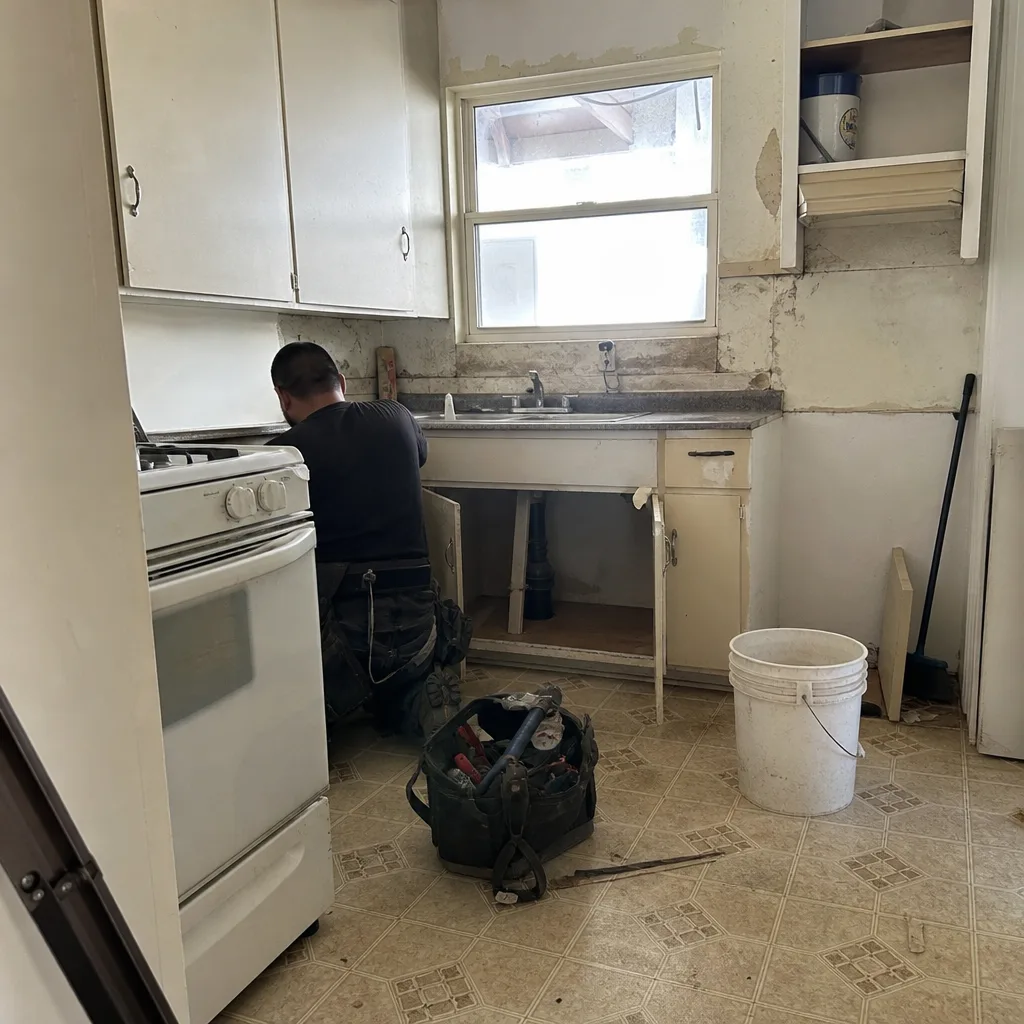 Before
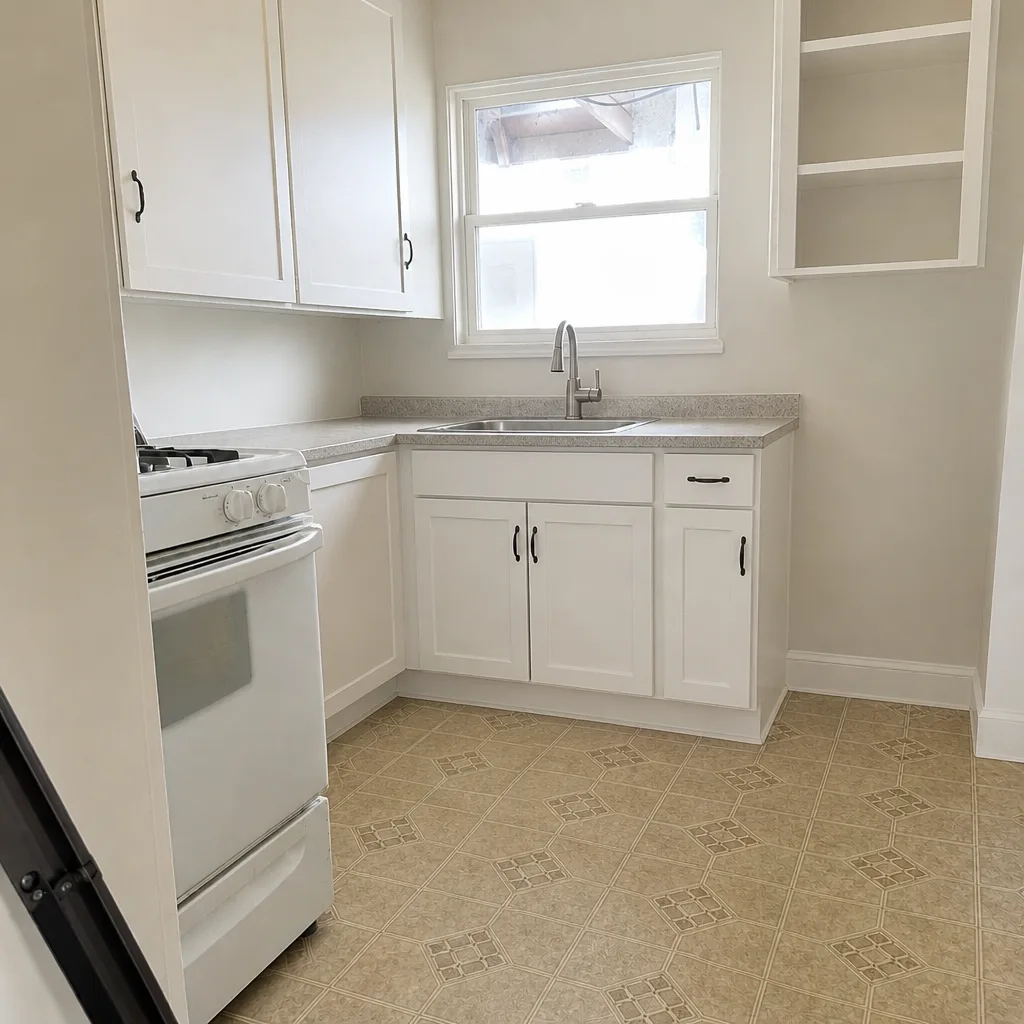 After
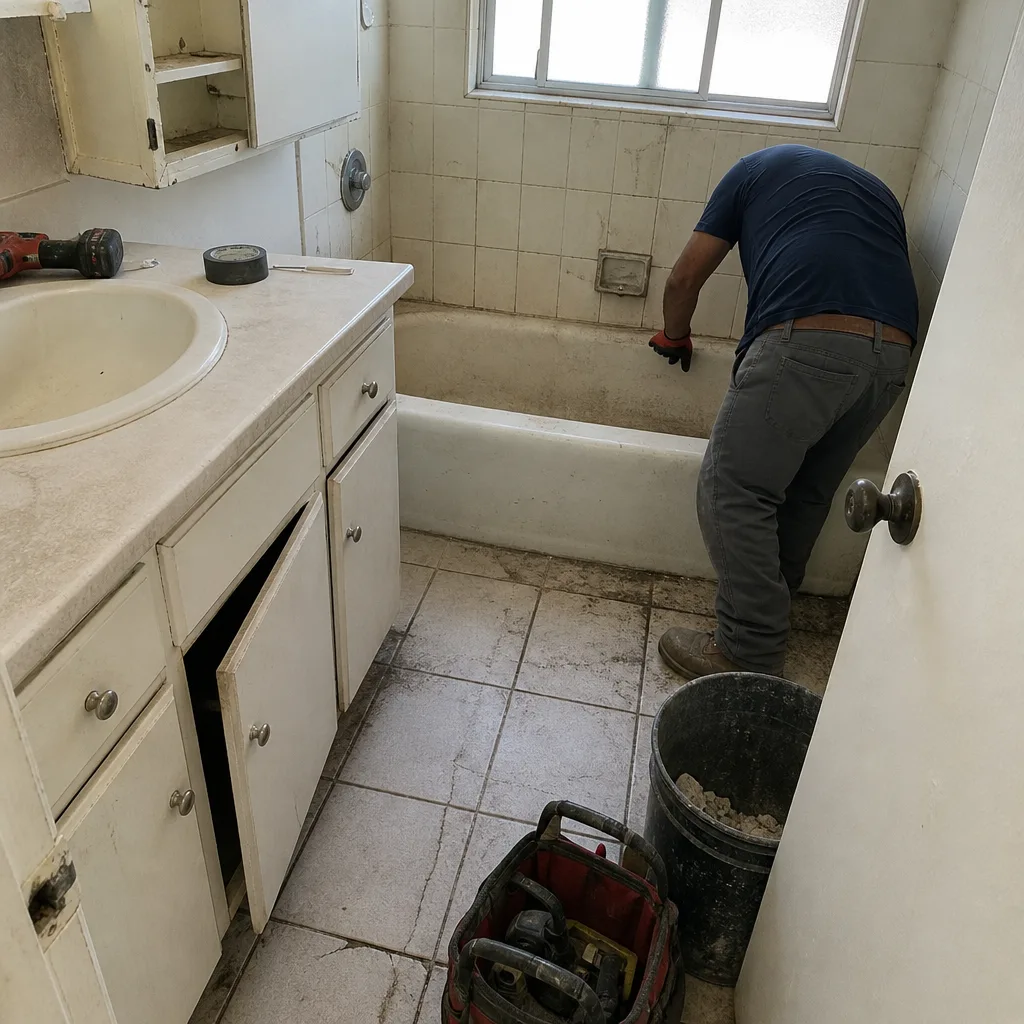 Before
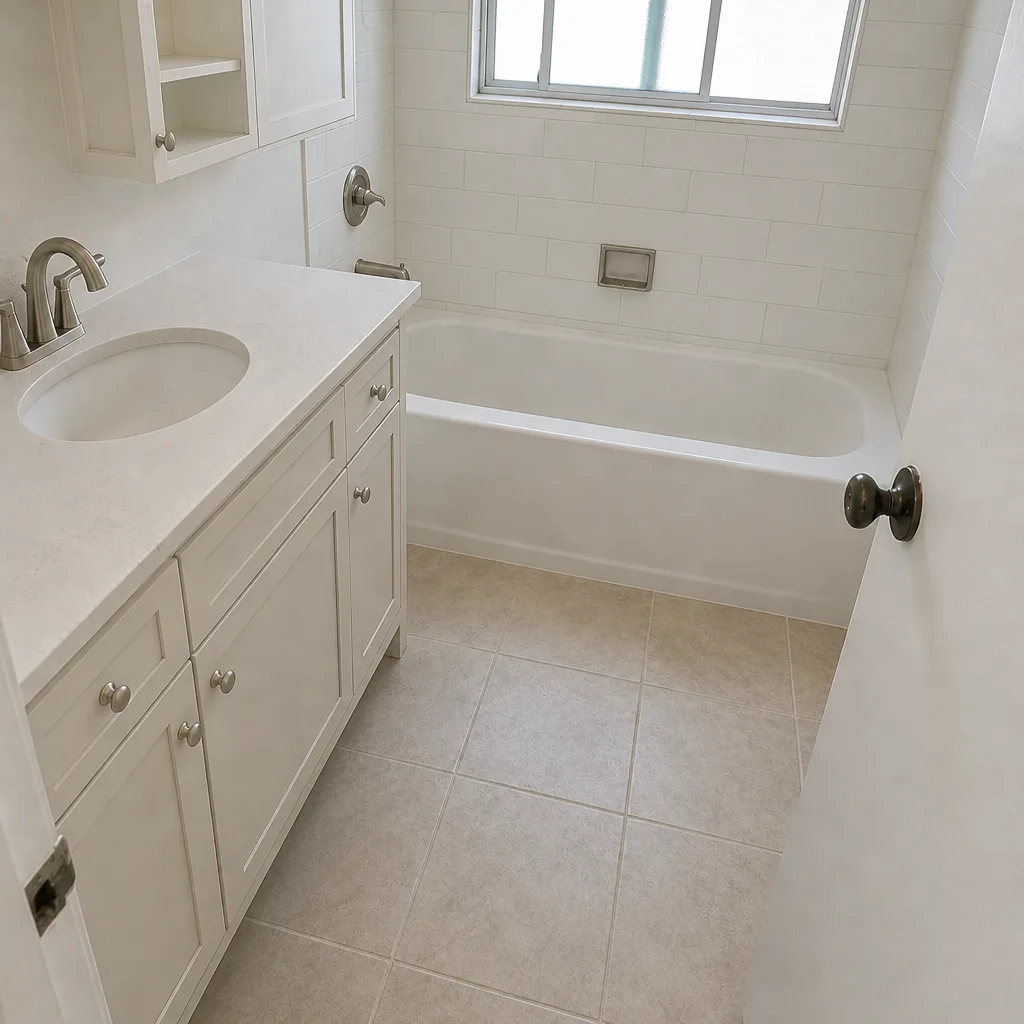 After
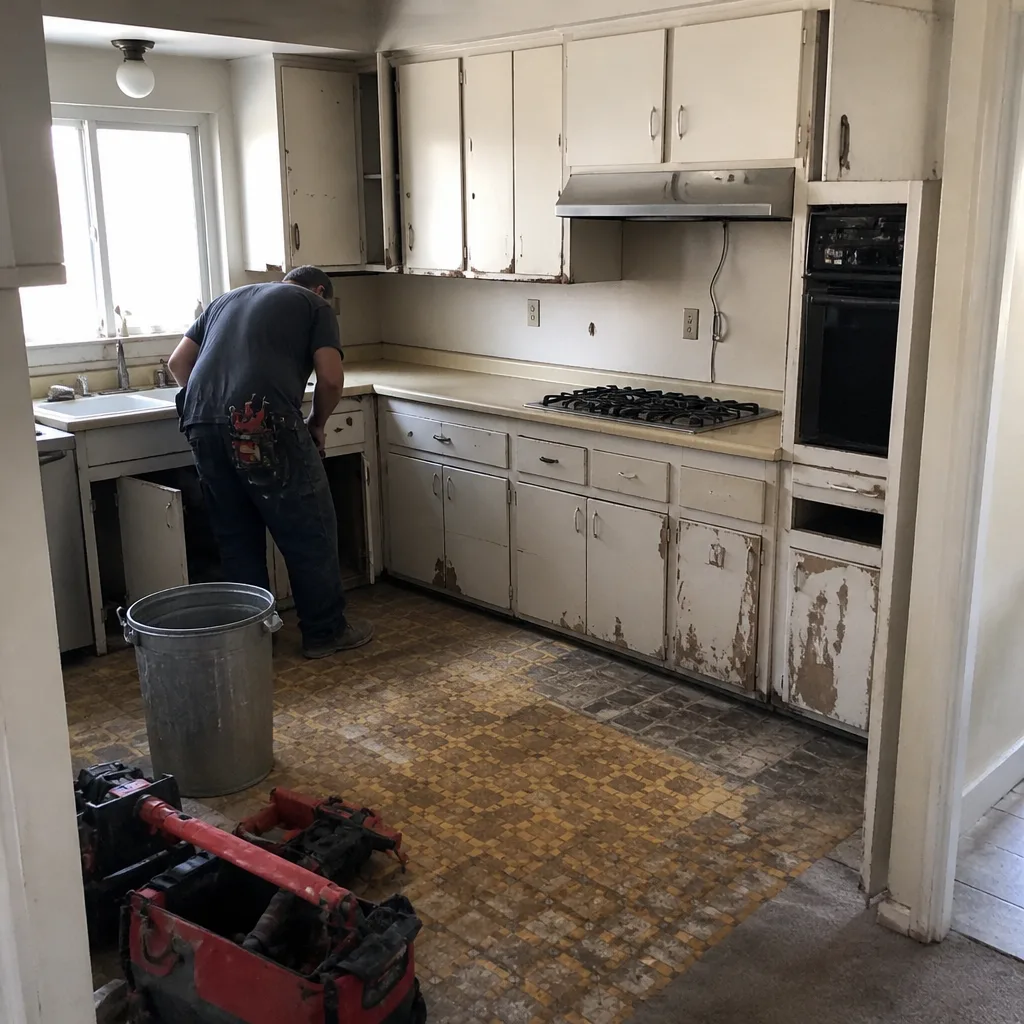 Before
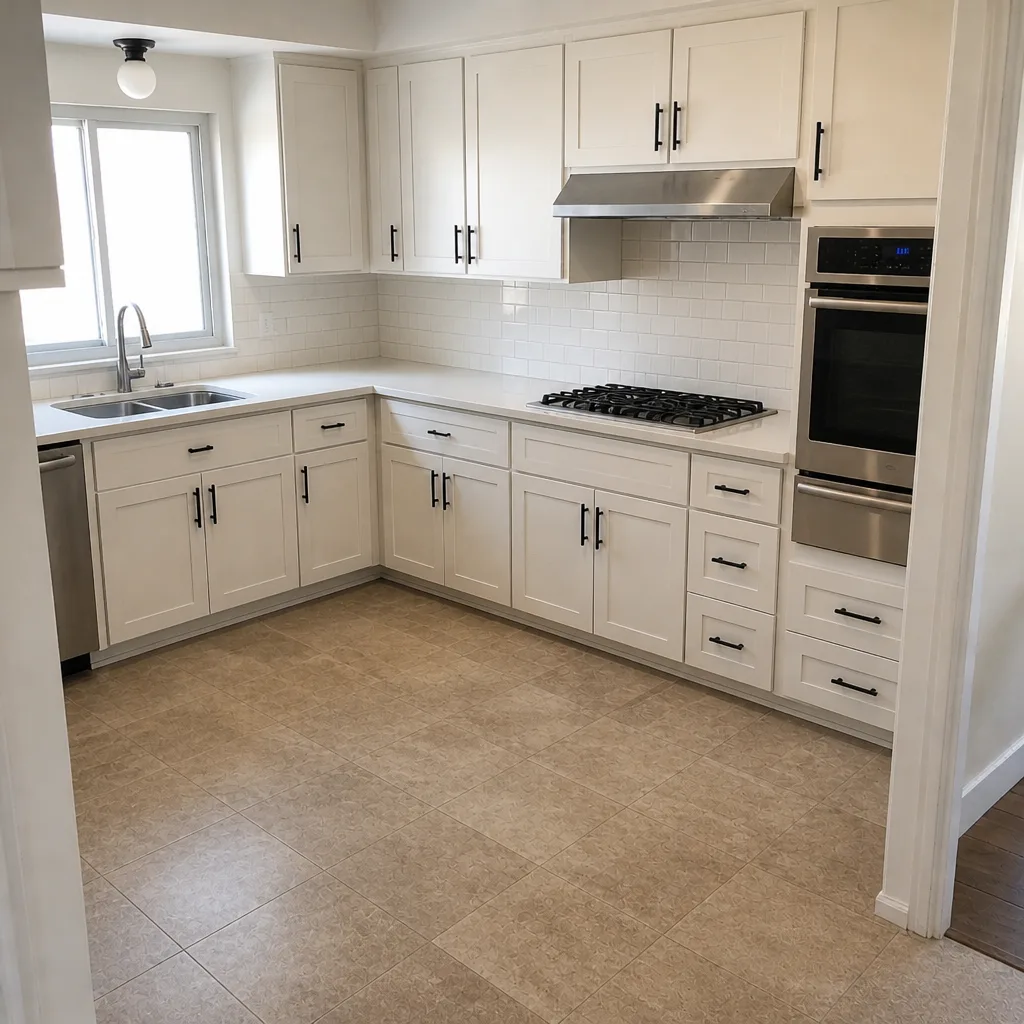 After
When to Call a Professional
Some damage is a wait-and-see, and some is a call-immediately. Call a professional right away if you see a gap between the stucco and the foundation, a chimney that has separated at the roofline, gas odor after any event, water that has been standing against the slab for more than a few hours, or a roof that has lost its covering. These are conditions where every hour of delay adds cost and risk. For minor cosmetic repairs – a hairline crack, a scuffed finish, a single loose shingle – waiting is fine. The judgment call is the diagonal crack, the out-of-square door, and the section of fence that came down near the house. When you’re unsure, call. Construction West Covina offers free estimates in West Covina – call (844) 320-3099 and we’ll tell you whether the damage needs an assessment or can wait.
Frequently Asked Questions
Check for gas odor and hissing at the meter from outside, then check the foundation line and the chimney from a safe distance, then look at the anchor bolts and sill plate from inside the garage. Any sign of gap or movement at the foundation or roofline means don’t re-enter until a licensed structural professional has assessed it. Call (844) 320-3099 and we can walk through the priority sequence with you.
Roughly 48 hours. Mold colonizes wet drywall, insulation, and wood framing quickly in West Covina’s warm conditions, and remediation cost climbs sharply once it has started. Get standing water out, get airflow and dehumidification on the wet materials, and call for a professional assessment the same day. Call (844) 320-3099 for a free estimate on drying and repair.
Standard homeowner’s policies typically don’t cover earthquake damage; it usually requires a separate earthquake policy or a specific endorsement. Check your declarations page and ask your agent the direct question. Our written contractor reports can document the damage in the format adjusters need, and we can work with your insurer on the repair scope.
No. The written line-item estimate, agreed before work begins, sets the final price. What can change is the scope if we open a wall and find something the initial assessment couldn’t see, and in that case we discuss the addition with you and get approval in writing before we do the work. Call (844) 320-3099 for an estimate.
Structural repairs, roof replacement, window replacement, and drainage work typically require a permit. Small cosmetic patches usually don’t. Most cities require a permit for this kind of work, so ask your city’s building department about the specific repair. We pull the permits and arrange the inspections as part of the project.
Address the three main ember entry paths: replace wood fascia at the roof edge with a noncombustible product, screen all attic and foundation vents with fine mesh, and break the connection between wood fencing and the structure with a metal gate or noncombustible section. Do those three, and the remaining work is maintenance and window upgrades. Call (844) 320-3099 to schedule a free exterior assessment before fire season.
The Bottom Line
West Covina’s emergency profile is specific: earthquake movement you can’t see from the street, ember intrusion through small construction gaps in foothill homes, and flash flooding on flat clay lots where 48 hours decides whether water damage is cosmetic or a remediation project. Prepare for all three. Know your gas shutoff and your foundation line before you re-enter. Screen the vents, break the fence-to-house connection, and replace the driveway wood edge. Dry water damage the same day it happens. Photograph everything before you remove it, and get a contractor report that distinguishes structural from cosmetic in plain language. And establish the contractor relationship before the event. The homeowners who fare best aren’t luckier; they planned. If you’re ready to plan now, call (844) 320-3099. We answer 24/7. Fast dispatch from 7am to 7pm, Sunday through Friday.
Written by the team at Construction West Covina.