
Last updated November 17, 2026
 Home additions & ADU
 Kitchen remodeling
 Bathroom remodeling
 Roofing
 Windows & doors
 Driveway & pavers
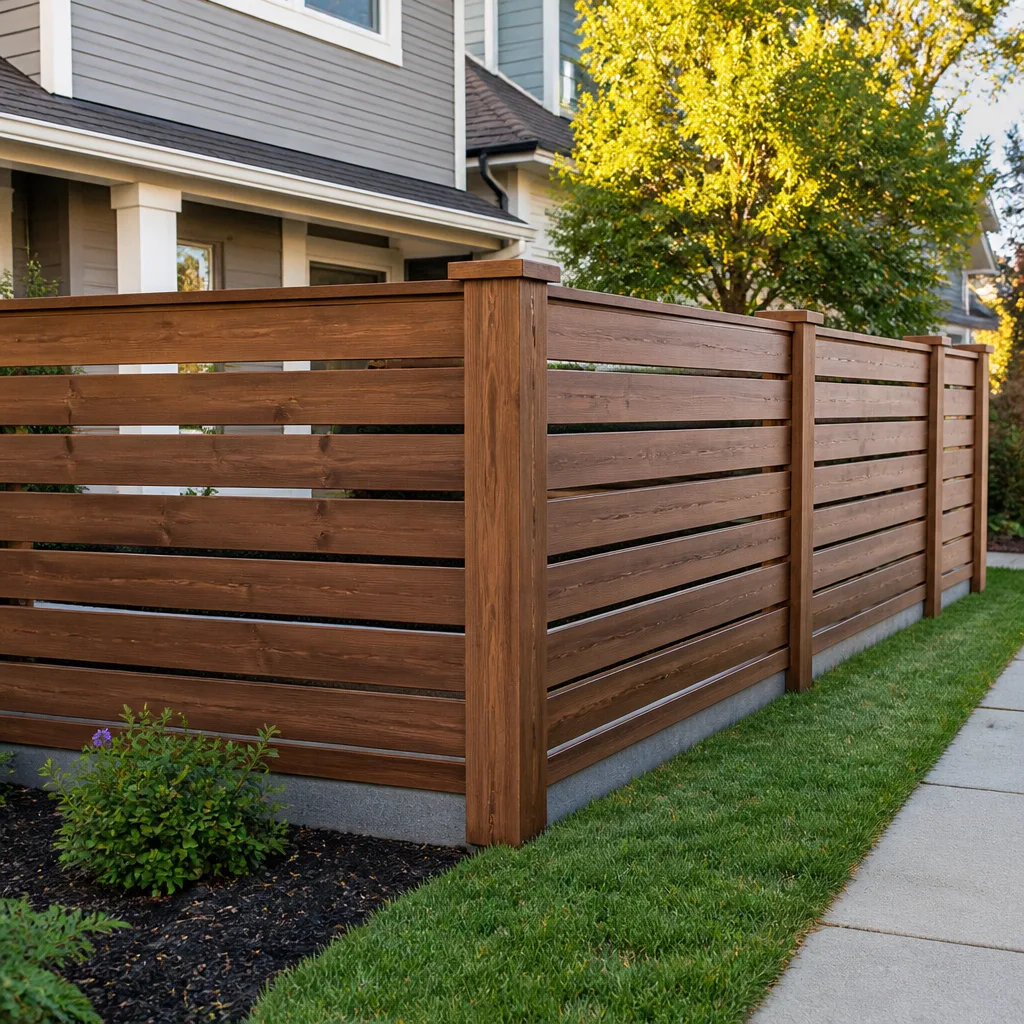 Fence
Free written scope consultation - allowances, timeline, and change-order rules on paper before a single trade is scheduled
Seasonal Construction Care for West Covina: Year-Round Homeowner’s Guide
October in West Covina is not fall. It looks like fall, the light changes, the evenings cool off, but the calendar is doing something more important than turning leaves: it’s closing the last window before the winter moisture arrives. What you do on your roof, your driveway, and the caulk around your windows that month decides whether January rain stays outside your walls or finds its way in. Most homeowners wait for a problem to appear before they act. The ones who don’t spend far less and sleep better. This guide walks through West Covina’s four real stress windows and the work that belongs in each.
Quick Answer
Seasonal construction care in West Covina follows four stress windows rather than four traditional seasons: a late-summer UV peak in August and September, pre-rain preparation in October, rainy-season response from January through March, and heat-cycle recovery in May and June. Roof inspection, gutter clearing, window and stucco sealing, and hardscape work should be timed to those windows, not to the calendar dates on a generic maintenance checklist. Homes that get this timing right avoid the damage that shows up months later as a stain on a ceiling or a crack in a driveway.
Styles & brands we work with
- Kitchen remodeling
- Bathroom remodeling
- Home additions & ADU
- Roofing
- Windows & doors
- Driveway & pavers
- Fence
Table of Contents
- West Covina’s Four Stress Windows, Explained
- Roof Care Timed to West Covina’s Weather Pattern
- Stucco, Trim, and Window Seals: The Dry-to-Wet Transition
- Driveway and Hardscape Work Before the Ground Saturates
- Gutters, Drainage, and Santa Ana Wind Checks
- How One Contractor Simplifies a Year of Maintenance
- Common Mistakes to Avoid
- Frequently Asked Questions
West Covina’s Four Stress Windows, Explained
West Covina doesn’t get the four-season cycle most maintenance guides assume. What it gets is a hot, dry summer that stresses materials through expansion, a short wet season that tests every seal and every drainage path, and two transition periods where the right work prevents problems the rest of the year. Thinking in stress windows instead of seasons changes what you do and when.
The four windows break down like this:
- Late-summer UV peak, August through September. Sun exposure is at its strongest. Roof tiles move, caulk dries and pulls, paint fades and chalks, and paving takes the most thermal movement of the year.
- Pre-rain preparation, October. The last stretch of reliably dry weather before moisture arrives. This is the window for sealing, clearing, and inspecting anything that water will test.
- Rainy-season response, January through March. Water finds every weakness. This is when you watch for staining, ponding, loose flashing, and drainage that isn’t moving water where it should.
- Heat-cycle recovery, May through June. As the ground dries and temperatures climb, the effects of winter show up: settling, cracked sealant, lifted pavers, and roof components that shifted through the wet months.
In our experience, the homeowners who get the most value from maintenance are the ones who stop treating it as a spring cleaning exercise and start treating it as a schedule tied to these four periods. The work in each window is different, and skipping one creates the conditions that make the next one expensive. A West Covina home that gets proper October prep usually sails through January with nothing more than a visual check. One that skips it spends February chasing leaks.
Roof Care Timed to West Covina’s Weather Pattern
Roofs in West Covina take a specific beating: sustained summer heat that expands tile and roofing components, then a wet season that tests every joint and fastening those expansion cycles have loosened. Timing roof work to that pattern matters more than how often you look at it. A roof inspection in February after rain is useful. An inspection in September or October is preventive.
Here’s how a year of roof care should run:
- Late August through September: check for thermal movement. After a summer of expansion, tile bedding can loosen and fasteners can work their way up. Walking the roof line and checking for lifted or slipped tiles catches problems while the weather is still dry and repairs are straightforward.
- October: clear gutters and check the roof-to-gutter transition. The first serious rain will find any leaf accumulation or debris dam that’s been building since spring. Clearing before the rain, not after, is the whole point.
- After a Santa Ana wind event: inspect ridge caps and edge metal. High winds lift and loosen ridge caps, and a lifted cap is an open door for water. A quick inspection after a strong wind is one of the highest-value checks a West Covina homeowner can make.
- January through March: look for staining and interior signs. Watch ceilings, attic sheathing, and wall tops for discoloration. These are the first indicators that water is getting past something.
- May through June: check for winter movement. Vents, flashing, and ridge components that shifted through the wet season get repaired before the heat cycle starts again.
Roofing carries real risk. Walking a pitched roof, especially after thermal movement has loosened tile bedding, is a job for trained professionals with the right fall protection. It’s not a task to take on from a ladder with good intentions. A reputable roofing contractor will inspect and document conditions, walk you through what needs doing and why, and give you a written scope before any work starts. If you’re considering a full roof replacement or repair, our Construction West Covina team pulls the permits and handles the inspection so there are no surprises at the end of the job. GAF, CertainTeed, and Owens Corning systems are all available depending on your roof type and budget, and each carries its own manufacturer warranty terms worth understanding before you choose.
Stucco, Trim, and Window Seals: The Dry-to-Wet Transition
The transition from dry to wet season is when stucco, painted trim, and window seals do the most work, and when they fail most visibly. In West Covina, that transition happens in October. The materials have spent months drying and expanding, and the first rain tests every joint, seam, and bead of sealant that’s been holding through the summer.
What to check during that window:
- Stucco at window and door openings. Look for fine hairline cracks radiating from corners or running along joints. Small cracks that get sealed in October are routine maintenance; the same cracks that take on water through the rainy season can turn into larger repair work.
- Painted wood trim. Check for chalking, peeling, or bare spots on fascia, window trim, and door surrounds. Paint is the barrier, and where the barrier is thin, moisture gets in.
- Window seals and weatherstripping. Open and close every window in the house once before the wet season. Feel for daylight, drafts, or a seal that doesn’t seat. A window that doesn’t close tight is a window that will let water in through driving rain.
- Exterior penetrations. Anything that goes through the wall, whether it’s a pipe, vent, or mounting bracket, has a seal around it. Check those seals before the rain does.
If windows are reaching the end of their service life, the transition window is also the right time to think about replacement rather than another round of patching. Window and door replacement in West Covina makes sense in October because you get the new installation sealed and finished before the wet season. Brand options matter here: PGT, CGI, and Therma-Tru all offer products at different performance and price points, and we can walk you through which fits your home. On the siding side, James Hardie products are worth discussing as an exterior upgrade that pairs with window and door work.
Driveway and Hardscape Work Before the Ground Saturates
Hardscape is one of the most misunderstood categories of seasonal maintenance. Most homeowners wait until something looks wrong: the driveway has a visible crack, pavers are heaving, the surface has settled. By then, the work is repair rather than protection, and the ground saturation underneath is often part of the problem. The right rule is simpler: do hardscape work before the ground saturates, not after damage appears.
The timing advantage is real. When soil is dry, base preparation and paver installation can be done properly. Once the winter rains arrive, the ground under a failing driveway or patio is saturated and won’t compact correctly until it dries. Trying to do repair work in February or March often means waiting until the soil has drainable moisture, which pushes the project into spring.
What belongs in the pre-rain hardscape window:
- Driveway resurfacing or paver replacement. Before the wet season is the cleanest window for this work because base compaction is reliable and installation dries out properly. Our driveway & pavers page has more on the options and what to consider for a West Covina home.
- Drainage correction. If water pools on your driveway or walks toward the house in heavy rain, that’s a grading or drainage issue. The pre-rain window is when you fix it, not after the first flood.
- Sealing. If your pavers need sealing, doing it in dry weather gives the sealer proper cure time before wet weather arrives.
Paver and hardscape work is a permanent upgrade, so material quality matters more than saving a few steps. Tremron, Techo-Bloc, and Cambridge Pavers all offer different looks and durability profiles for a hardscape project, and we can show you how they compare for your driveway or patio. What you choose should serve the way you actually use the surface, whether that’s vehicle traffic, foot traffic, or both.
Gutters, Drainage, and Santa Ana Wind Checks
Gutters and drainage are the plumbing system of the exterior, and in West Covina they tend to get ignored until water shows up somewhere it shouldn’t. The maintenance is simple, but it has a timing: gutters need to be clear before the first serious rain, and they need to be checked after any Santa Ana wind event because those winds drop debris and lift fasteners.
A working checklist for the rainy season:
- Clear gutters and downspouts before October ends. Check the entire run. A single clogged downspout will back water up under roofing, into fascia, and down walls.
- Check that downspouts discharge away from the foundation. Water that runs down a downspout and deposits right against the stucco is not doing its job. It needs to move away from the structure.
- After any strong wind event, look for hood damage and lifted gutter sections. Wind impacts gutters first because they’re the most exposed element of the roof line.
- During the rainy season, spot check during and after heavy rain. Look for overflow, staining on fascia, and water where it shouldn’t be.
The same logic applies to fences. A wood fence takes on water all winter and dries out into spring. Before the wet season, check fence posts for movement or rot and check gates for latch alignment. A fence is a repair candidate in October and a repair backlog in March. Our fence installation page covers material options including Barrette, Master Halco, and ActiveYards for homeowners thinking about replacing a fence that’s past its useful life rather than patching it again.
How One Contractor Simplifies a Year of Maintenance
The real problem with seasonal construction care isn’t knowing what to do. It’s the logistics. A single season’s checklist touches roofing, windows, exterior trim, driveway, fence, and drainage, and most homeowners end up scheduling four different specialty trades whose windows don’t line up. The roof inspector comes in September. The window guy comes in November. The driveway paver is booked out months. The stucco repair is a separate call. Something always slips through the cracks, and it’s usually the one that mattered.
Working with a single contractor across the scope of the home collapses that complexity. One relationship, one point of accountability, and one schedule that covers the exterior envelope and everything inside it. That’s the model behind the whole-home approach we take at Construction West Covina. The roof, the windows, the driveway: handled. A walk with a roofing crew that spots a window seal problem on the way down gets referred to the right specialist on the same job instead of becoming a separate project weeks later.
The same principle applies to bigger projects. When the homeowner is planning a home additions & ADU project, the exterior scope often touches the existing roof line, the window count, and the driveway or side-yard access. Coordinating those from one contract avoids the gaps that happen when scope is divided between trades. On additions and ADUs specifically, the range of build types matters: traditional stick-built additions, prefab systems like Abodu, Dvele, Mighty Buildings, and Boxabl, and modular approaches all sit on different timelines and budgets. Having them all in one conversation gives a homeowner a real choice.
For seasonal maintenance, the pattern works like this: one call for the pre-rain walk-through, one coordinated set of work items, and a schedule that lets the exterior tasks slot together rather than tear apart. A single relationship means the pre-rain window is a coordinated set of tasks we schedule together, not four separate appointments that each want their own day.
Common Mistakes to Avoid
- Treating the calendar like a season. A generic maintenance list built for a Midwest or Northeast climate will tell a West Covina homeowner to do things that don’t apply here and miss the ones that do. Timing is the whole game in this climate.
- Waiting for visible damage to call. Driveways and roofs rarely fail dramatically. They fail over time, and the visible damage is usually the last stage. Paving a driveway before visible cracking is cheaper and simpler than repairing it after.
- Clearing gutters after the first rain. The job of a gutter is to move water before it backs up. Clearing it after the first storm means the clutter has already done the damage.
- Skipping the stucco and window seal check in October. It’s easy to check caulking and sealing in the pre-rain window. It’s much more expensive to fix water intrusion in February when the wall is wet and the repair has to wait for dry weather.
- Patching a window instead of replacing it when it’s past its service life. A window that’s lost its seal is not going to hold through the rainy season no matter how much caulk goes on it. Watch for fogging, drafts, and seats that don’t close. Those are replacement signals, not patch signals.
- Splitting one exterior project across multiple trades when it doesn’t need to be split. Scope divided is scope delayed. If a project touches roof, window, and hardscape at the same time, coordinating it under one contract prevents the hand-offs that happen between trades.
- Doing hardscape work in wet weather. Ground saturation prevents proper base compaction. Trying to force a driveway or paver job into wet weather means the work will not last.
If there’s a single mistake we’d underline, it’s this: seasonal care in West Covina is not about doing more work. It’s about doing the right work in the right window. The four stress windows exist whether or not you act on them. The only question is whether you get ahead of them or respond after them.
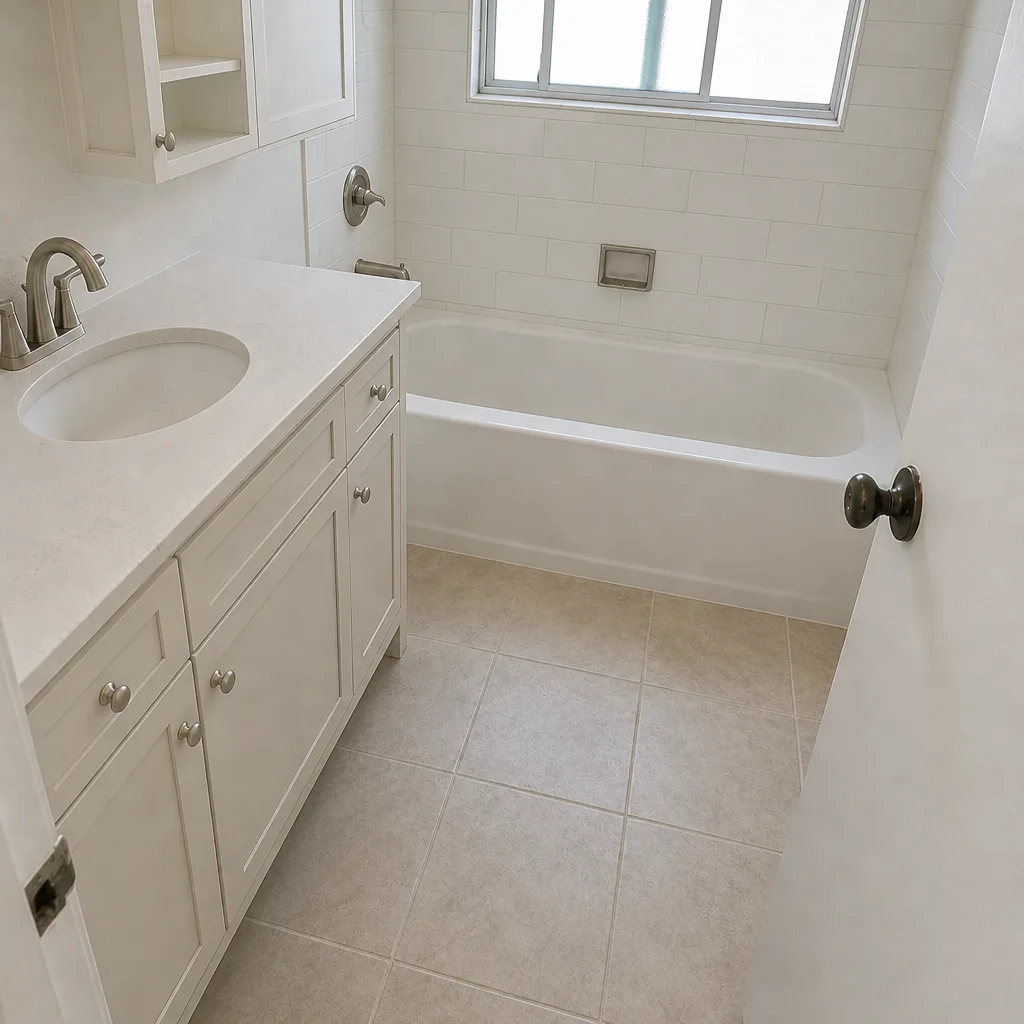
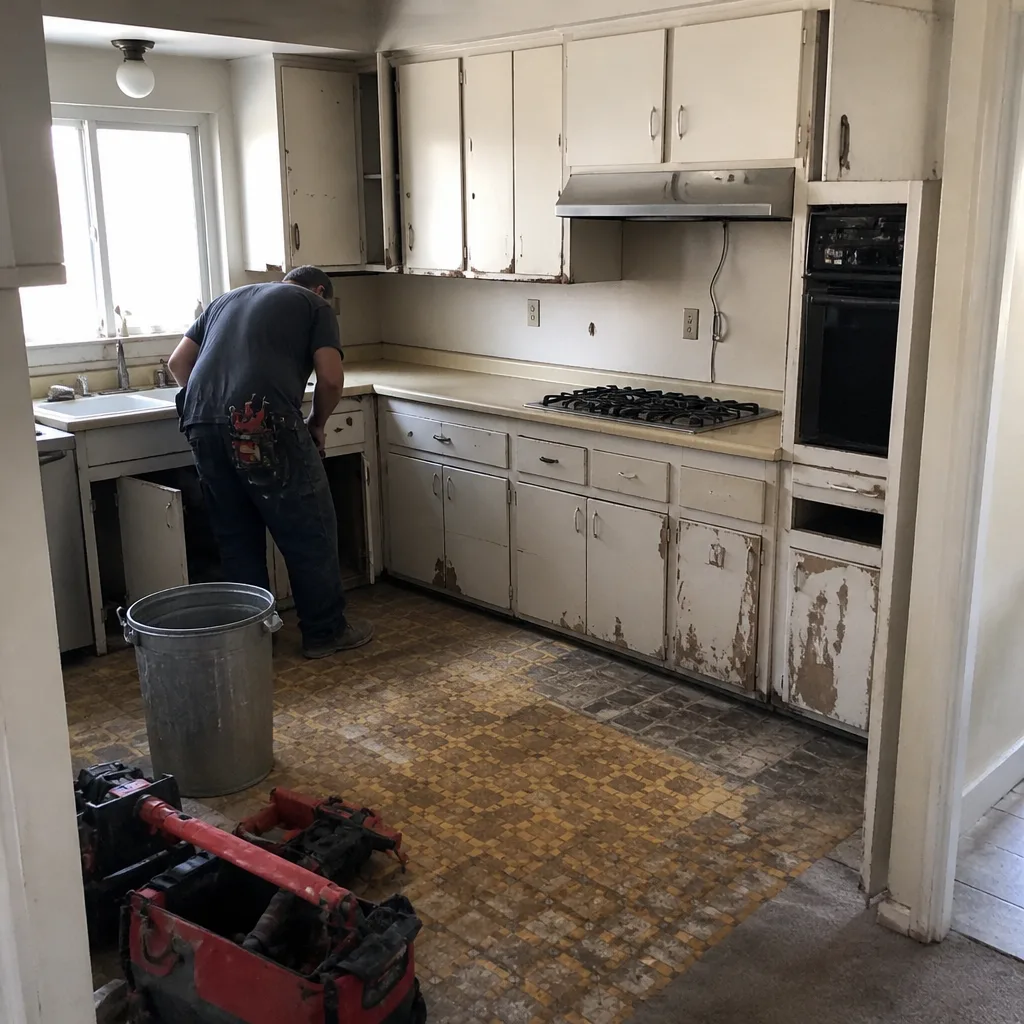
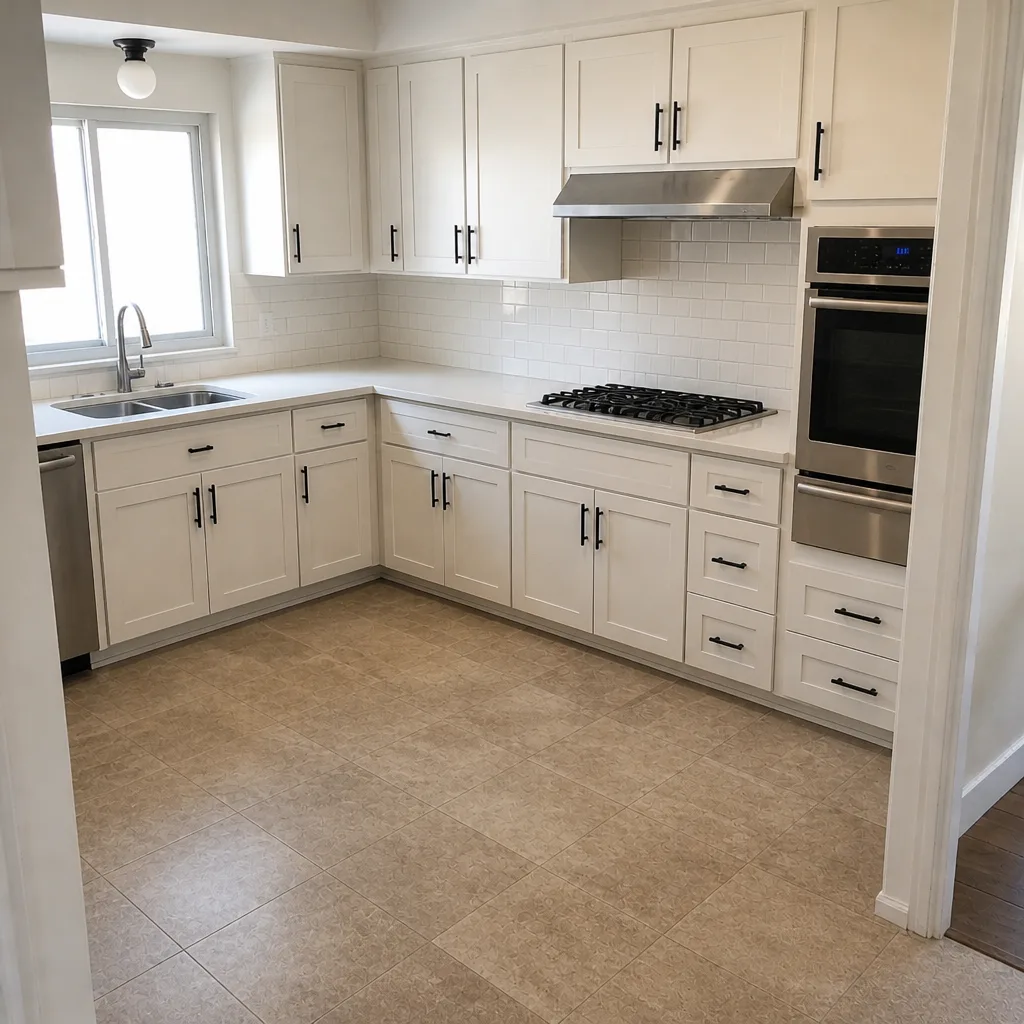
See the difference
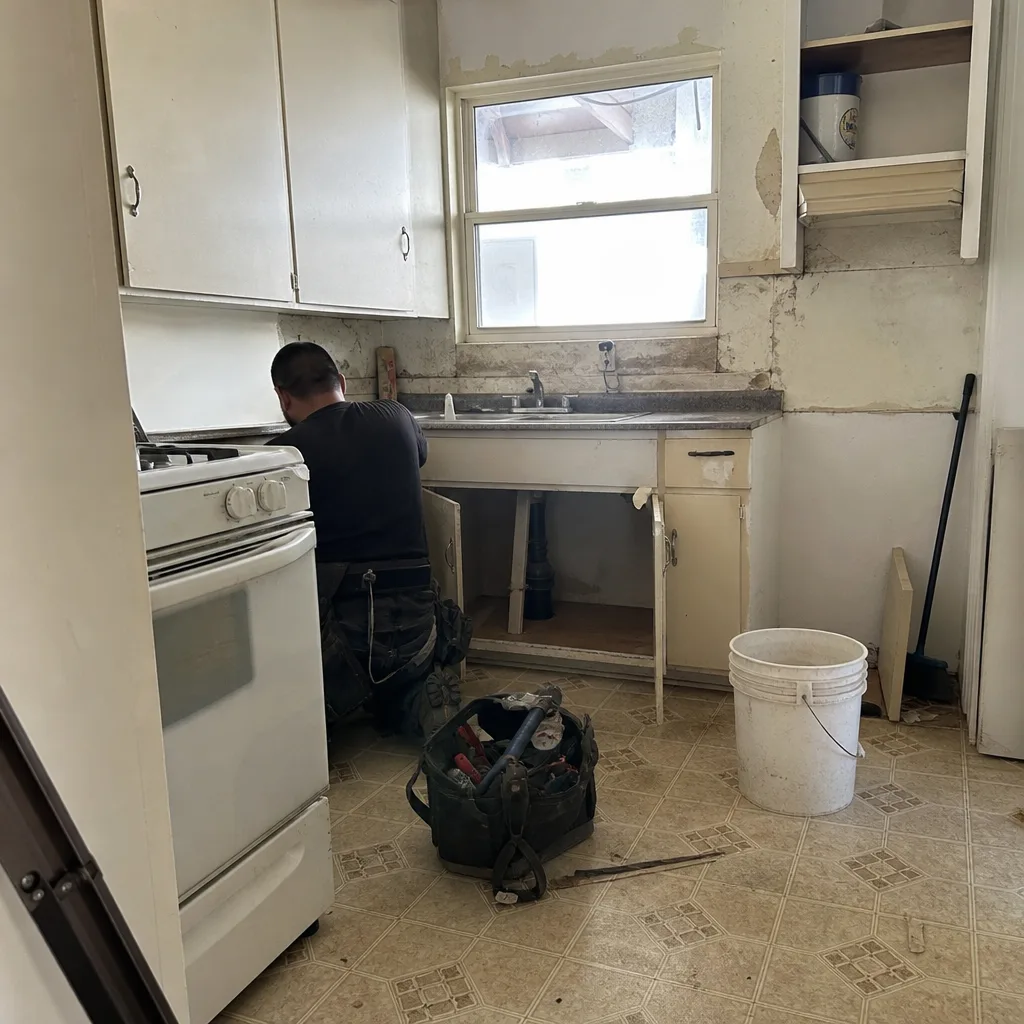 Before
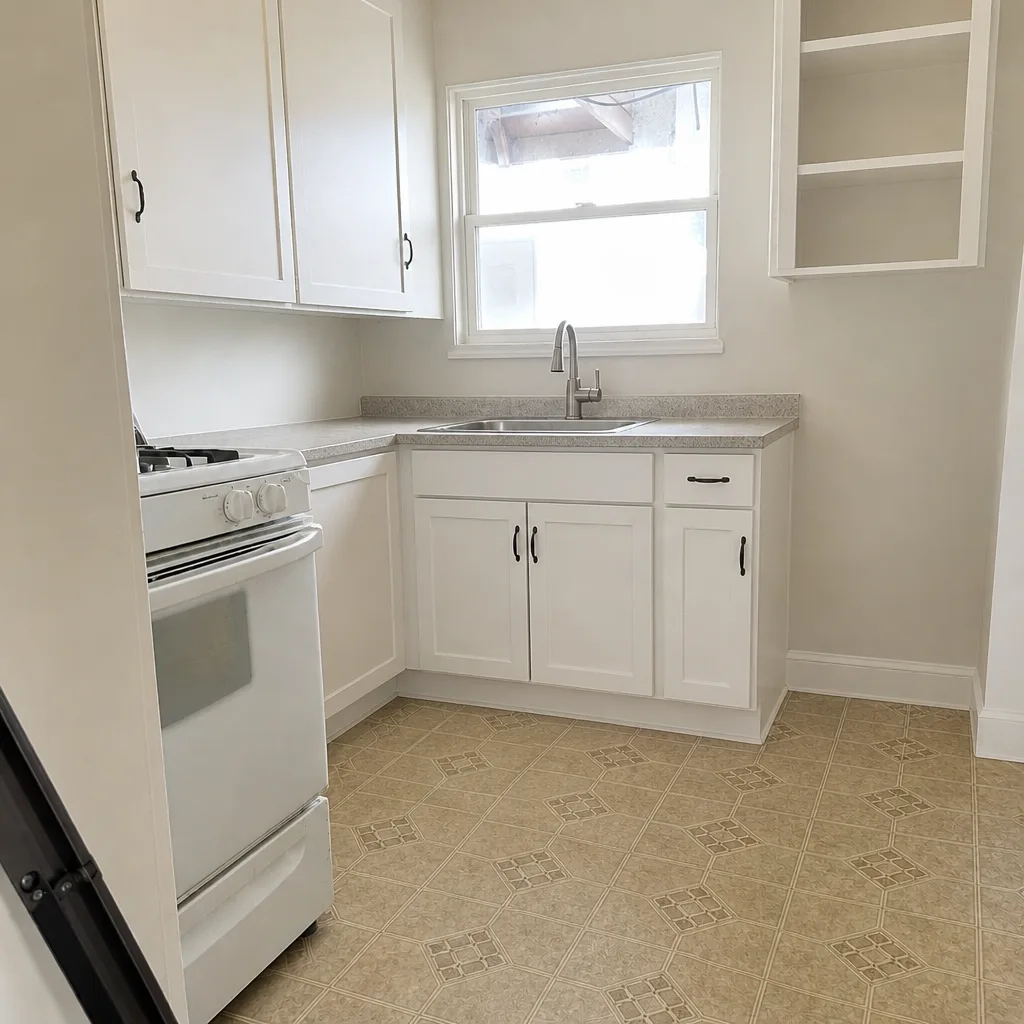 After
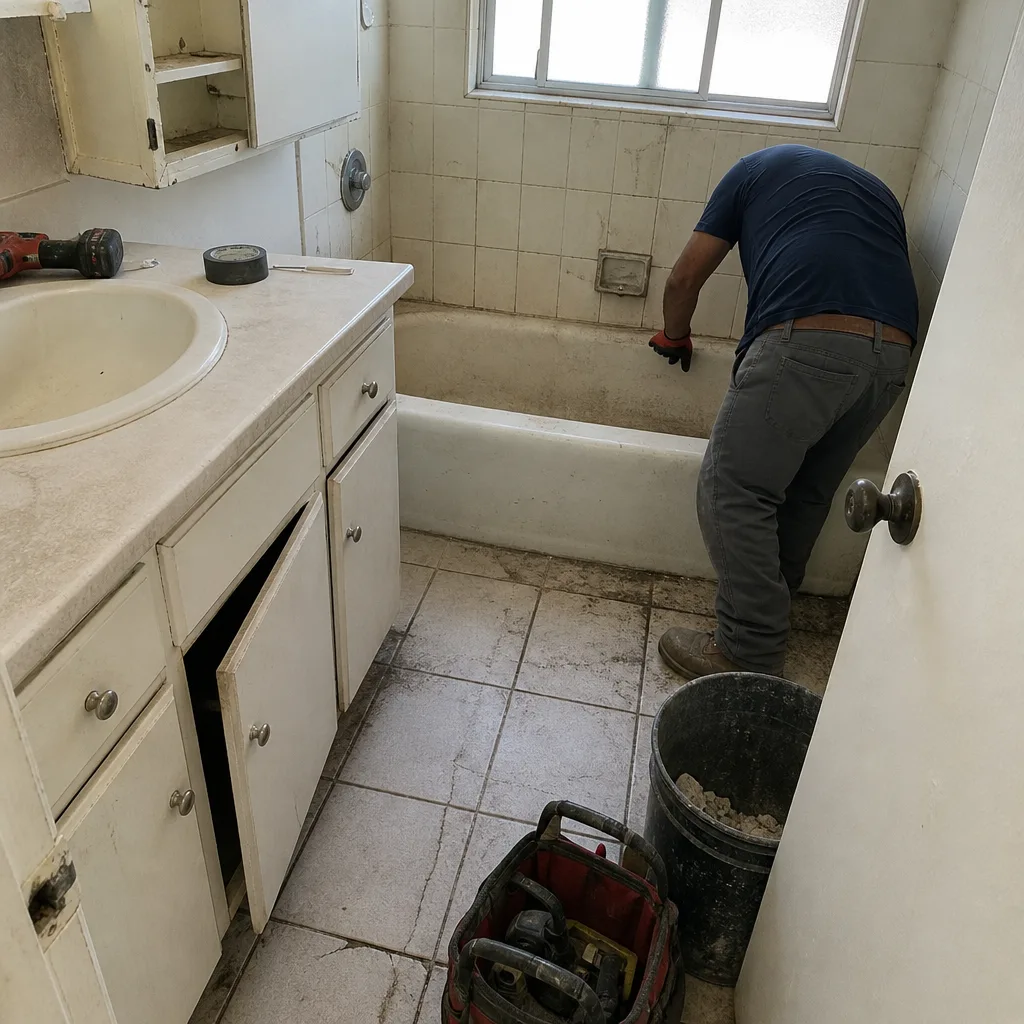 Before
 After
 Before
 After
When to Call a Professional
Some of the seasonal checklist is safe to do yourself: clearing gutters from the ground with a proper extension tool, checking that windows close tightly, inspecting visible caulk lines for cracking. Many tasks should be a call. Roof inspections and tile work, anything involving walking a pitched roof, window replacement, hardscape repair, and stucco or trim repair with moisture behind it are jobs for trained professionals. Our technicians have up to 10 years of experience across roofing, window and door replacement, driveway work, fencing, and interior remodeling.
Construction West Covina offers free estimates in West Covina. The written estimate sets the price, and the scope is in writing before work starts. If you’re at the beginning of a season, or you’ve just discovered something that needs attention, call (844) 320-3099. We answer 24/7. Fast dispatch is available from 7am to 7pm, Sunday through Friday.
Frequently Asked Questions
October is the highest-value month for most exterior work in West Covina because it’s the last reliably dry window before the winter rains. Roof inspection, gutter clearing, stucco and window sealing, and any hardscape repair all fit best in the October window. May and June are the second-best window, when you repair winter damage before the heat cycle begins again. Call (844) 320-3099 to schedule a free estimate before the window closes.
Yes. The rainy season from January through March is short but meaningful, and it’s long enough to find every weakness in roof tiles, flashing, and attic ventilation. A roof that stays dry in August can leak in January if the summer expansion loosened tile bedding or lifted a ridge cap. The solution is pre-rain inspection, not post-rain repair. Call (844) 320-3099 for a free roofing estimate.
Before, almost always. Visible cracking on a driveway or paver surface is usually the last stage of a problem that started with base or drainage issues. The cleanest time to fix those is while the ground is dry and remains properly compactable. Once rain saturates the soil, repair work has to wait for the ground to dry. Call (844) 320-3099 for a free hardscape estimate.
Yes. Construction West Covina handles exterior and interior scope under one contract, which means the roof, the windows, the driveway, the fencing, and interior work like a kitchen or bathroom remodel can all be scheduled and delivered from a single point of accountability. That matters most for seasonal work, where multiple trades are typically involved. Call (844) 320-3099 to talk through scope and get a written estimate.
Before the rainy season, check three things: that every window closes and latches snugly, that the weatherstripping seats without gaps, and that the exterior caulk around the frame is intact. Watch for interior fogging in dual-pane windows, which signals a failed seal and a replacement conversation rather than a repair.
Winter is a good planning window. Heavy rain slows site work, so the late fall and winter months are well suited to design, permits, and deciding between a stick-built addition and a prefab or modular system. Construction timelines vary by build type. If you’re considering adding square footage, call (844) 320-3099 for a free estimate and a scope conversation.
The Bottom Line
Seasonal construction care in West Covina is less about doing more and more about doing things in the right window. The four stress windows are late-summer UV in August and September, pre-rain preparation in October, rainy-season response from January through March, and heat-cycle recovery in May and June. Roofs, window seals, stucco, and hardscape each have a task that belongs in each window. Missing a window costs more than doing it. And the coordination gets much easier when the scope stays with one contractor instead of four. Call (844) 320-3099 for a free estimate and a walk-through of what your home actually needs this season.
Written by the team at Construction West Covina.