
Last updated November 17, 2026
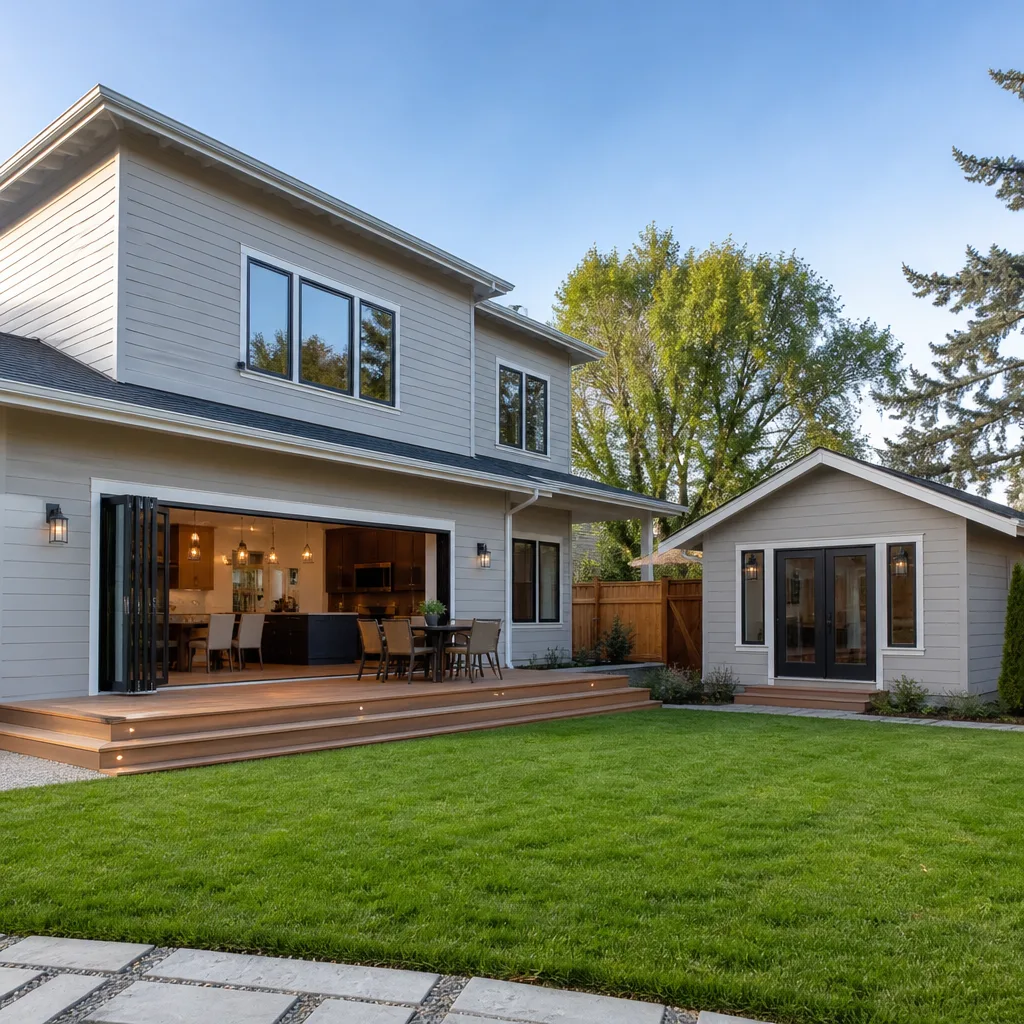 Home additions & ADU
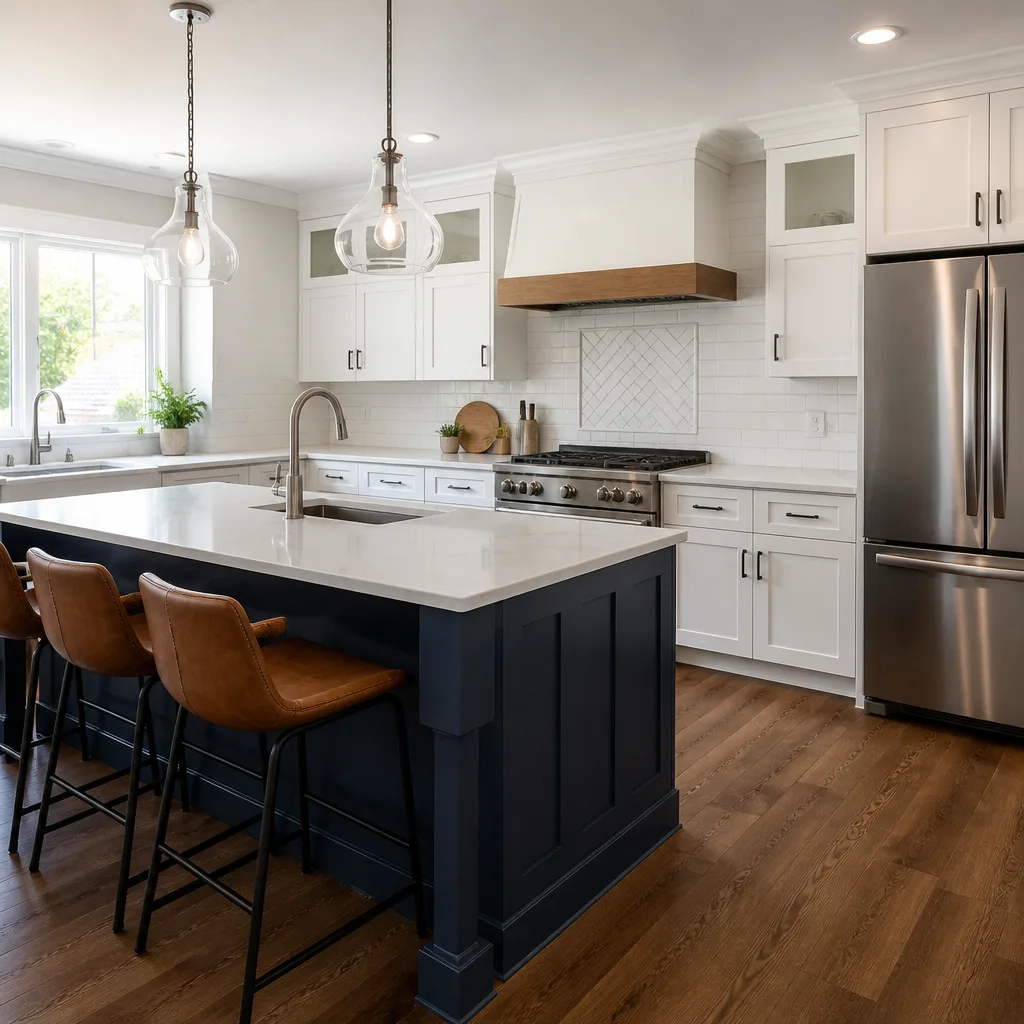 Kitchen remodeling
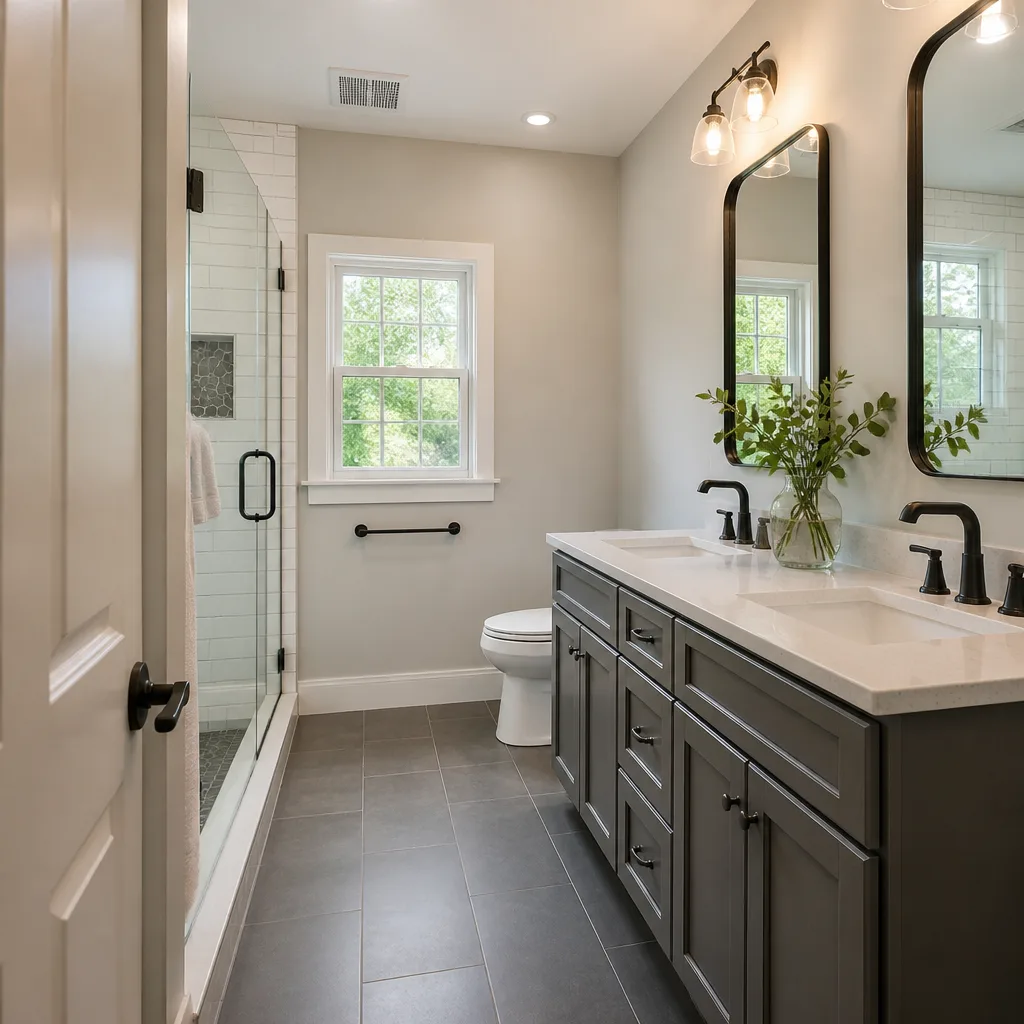 Bathroom remodeling
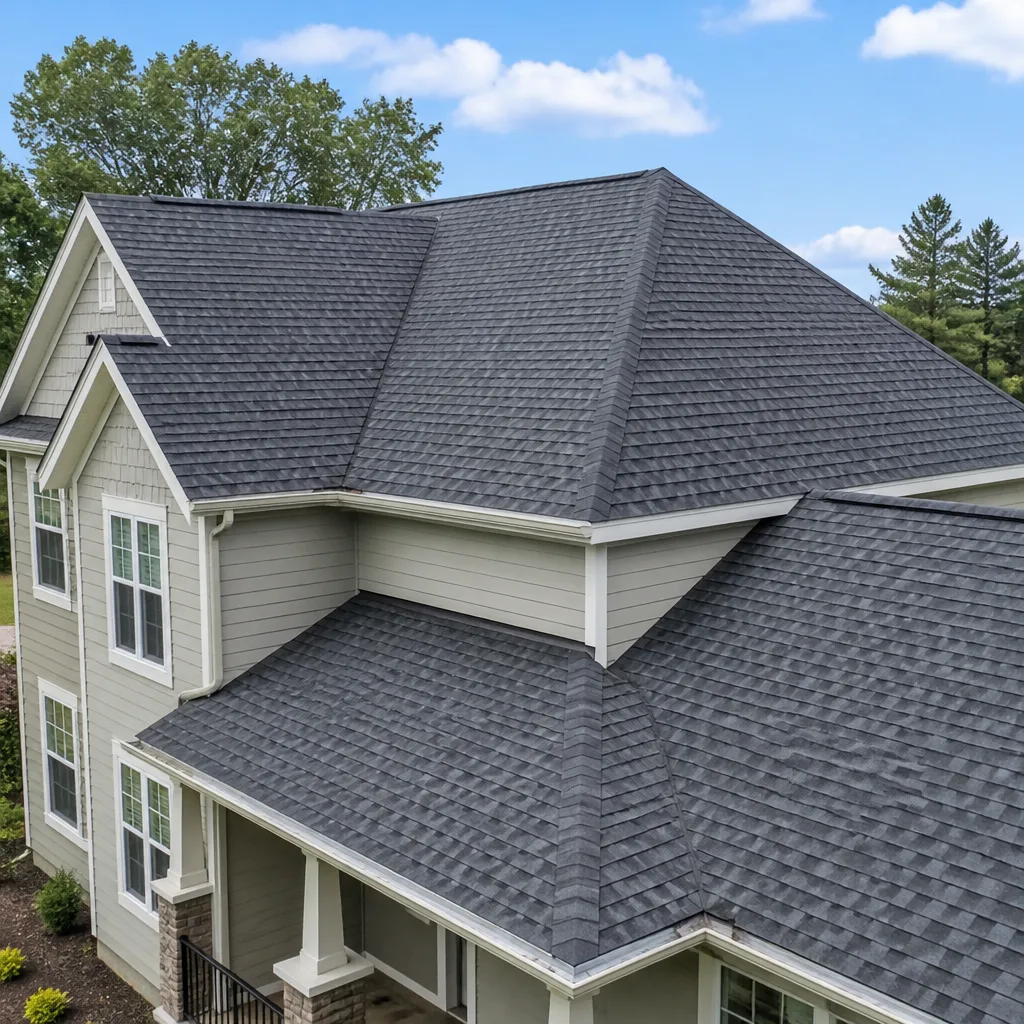 Roofing
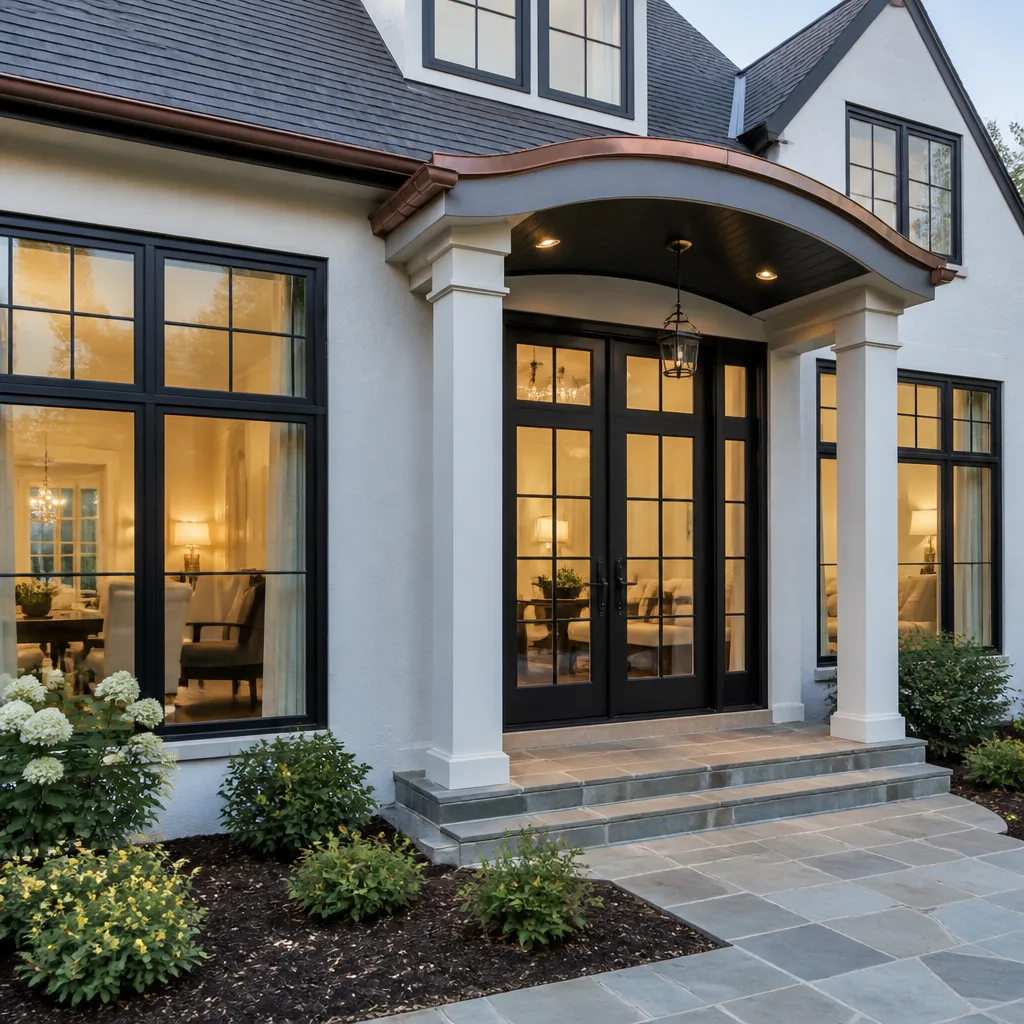 Windows & doors
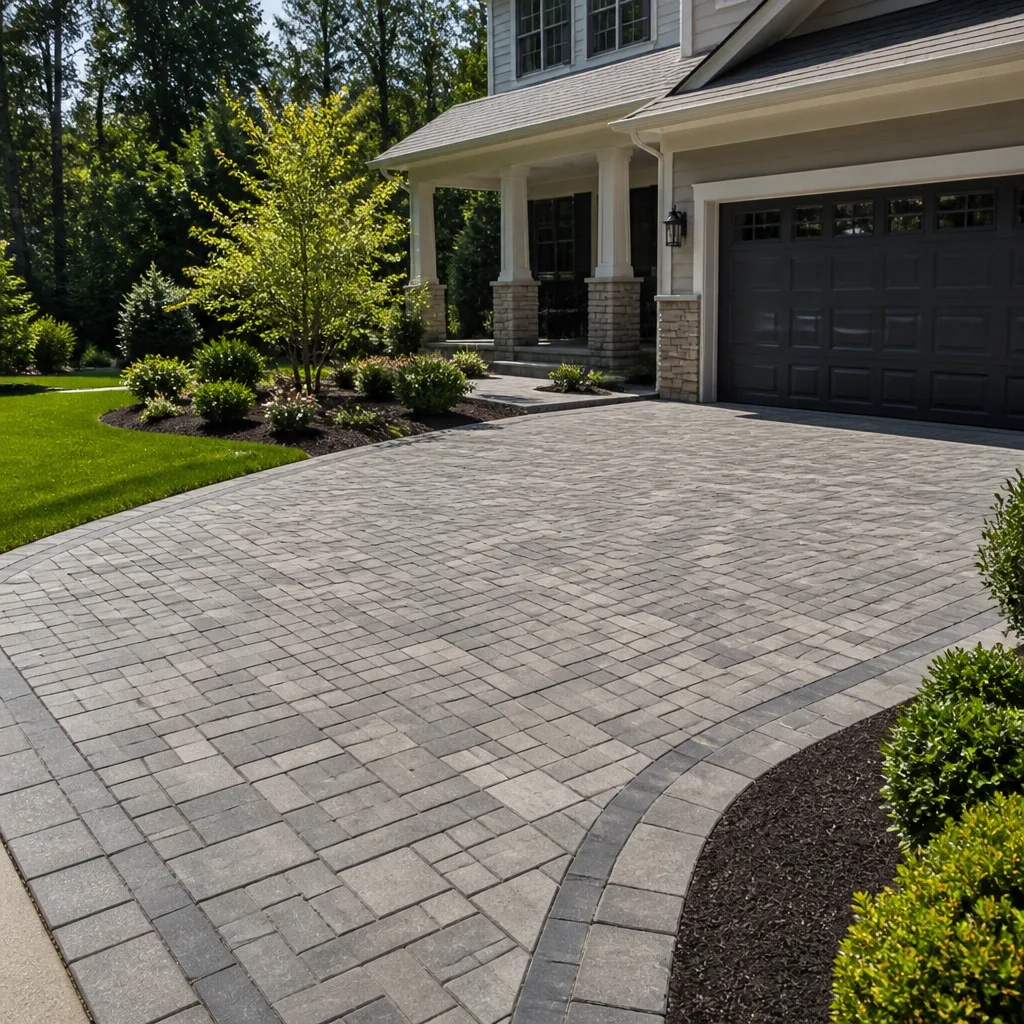 Driveway & pavers
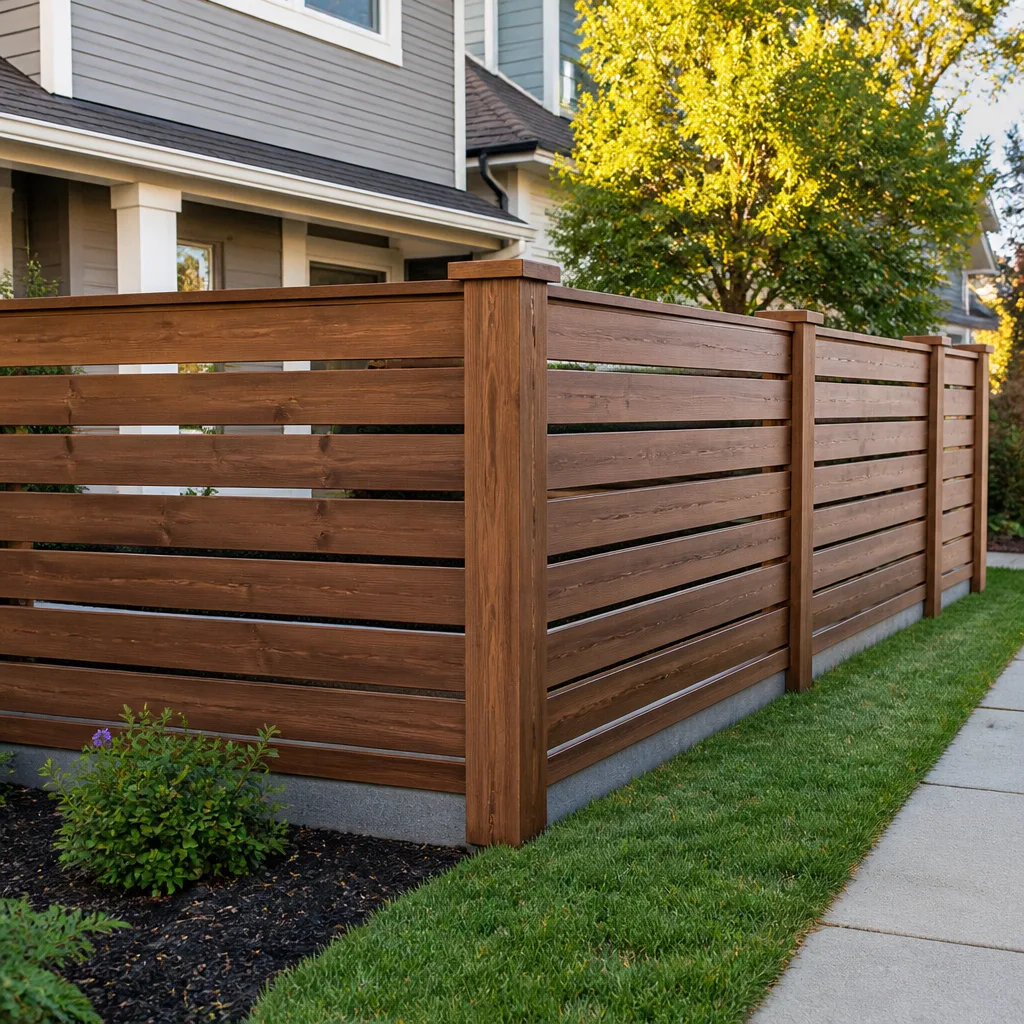 Fence
Free written scope consultation - allowances, timeline, and change-order rules on paper before a single trade is scheduled
Construction Cost Breakdown: The West Covina Homeowner’s Reference for 2026
Most homeowners budget a project by looking up a national cost average and adding a little for “California.” That’s the wrong starting point. The national average for a bathroom remodel sits near a fraction of what a permitted, properly built bathroom costs here, and the gap widens with every trade involved. Knowing the West Covina number before you call anyone is what separates a project that finishes from one that stalls at rough-in with walls open and money gone. This guide lays out realistic 2026 cost ranges for the work West Covina homeowners actually build – driveways, roofing, windows, kitchens, bathrooms, fencing, and added square footage – and explains the local cost multipliers behind every number.
Quick Answer
In West Covina in 2026, expect a driveway and paver project around $12,000-$30,000, a roof replacement around $14,000-$32,000, a mid-range kitchen remodel around $35,000-$65,000, and a mid-range bathroom remodel around $22,000-$30,000. These are estimated ranges for licensed, permitted work done to California building code. The written estimate you receive after a site visit sets your final price.
Styles & brands we work with
- Kitchen remodeling
- Bathroom remodeling
- Home additions & ADU
- Roofing
- Windows & doors
- Driveway & pavers
- Fence
Table of Contents
- Why National Cost Averages Miss West Covina By Thousands
- 2026 Cost Ranges by Project Type
- The California Cost Multipliers Nobody Quotes You
- Permits and Inspections in West Covina: What They Cost
- Material Cost Volatility and How to Hedge in a Contract
- Single-Trade vs. Full-Service Contracting: The Hidden Cost of Coordination
- How to Phase a Whole-Home Upgrade Without Losing Money
- Building Your Budget: A Step-by-Step Framework
Why National Cost Averages Miss West Covina By Thousands
National construction cost databases pool data from every state, which means a labor rate from rural Texas is averaged against a labor rate from Los Angeles County and presented as one number. West Covina sits squarely inside the higher range. A carpenter, tile setter, or roofer working here carries licensing, insurance, and liability costs that don’t exist in many markets, and those costs land in the line items you see.
There’s also a geography factor most budget guides ignore. West Covina sits at the eastern edge of the San Gabriel Valley, with summers that push tile, roofing membrane, and exterior paint through real thermal cycling and winters that stay mild but wet enough to matter for drainage and flashing. Materials specified for this climate and installed correctly cost more than the cheapest specification available, and cutting that corner shows up as callbacks within a few seasons.
Then there’s the age of the housing stock. Much of West Covina was built out in the mid-20th century, which means many projects run into the same surprises: undersized electrical panels, original galvanized plumbing, non-permitted additions from decades past, and framing that doesn’t match current code expectations. A remodel inside a 1960s West Covina ranch house routinely costs more than the same square footage in a newer build because of what’s behind the drywall.
What this means for your budget: treat national averages as a floor, not a target. Add 25-35% for California labor and permit costs before you start pricing materials, and keep a contingency equal to roughly 10-15% of the total for what gets discovered once walls open.
2026 Cost Ranges by Project Type
These ranges reflect licensed labor, permits where required, and mid-grade materials in the West Covina market for 2026. The low end assumes a straightforward project with no structural surprises. The high end assumes premium materials, layout changes, or hidden conditions. All figures are estimates.
Driveway and Paver Projects
| Scope | Typical Range | What Moves the Price |
|---|---|---|
| Basic concrete driveway replacement | $9,000-$16,000 | Square footage, demolition, haul-away, grading |
| Paver driveway, standard profile | $14,000-$24,000 | Paver manufacturer and style, base depth, drainage |
| Premier paver driveway with border and design | $22,000-$40,000 | Complex patterns, border stone, slopes, retaining |
Hardscape pricing tracks closely to base preparation. A driveway that looks simple at the surface can require several inches of compacted base, drainage correction, and soil stabilization on Valley soils that shift with moisture. Choosing among Belgard, Unilock, Techo-Bloc, Cambridge, or Tremron changes both the material cost and the design options. For a deeper look at the decision, see our page on driveway & pavers.
Roof Replacement
- Asphalt shingle, standard: $14,000-$22,000 for a typical single-story West Covina roof, including tear-off, underlayment, and flashing.
- Asphalt shingle, dimensional or premium: $20,000-$32,000 depending on manufacturer line and warranty tier.
- Tile or specialty roofing: $28,000-$50,000+, driven by weight, structural reinforcement needs, and material cost.
Roofing systems from GAF, CertainTeed, and Owens Corning each carry different warranty structures and specification requirements. The number on the bid isn’t the whole story; the underlayment specification and ventilation detail decide how long the roof lasts in San Gabriel Valley summer heat.
Window and Door Replacement
- Standard dual-pane window, whole home (10-12 openings): $9,000-$18,000
- Impact and energy-rated windows: $16,000-$30,000
- Exterior door replacement (per door): $1,800-$4,500 installed
Window costs swing widely based on frame material, glass specification, and whether the existing opening requires repair or frame trimming. Impact and energy-rated products from PGT, CGI, and ECO Window Systems sit at the upper end and connect directly to energy efficiency and storm resilience, which is a real consideration for a home you plan to hold long term.
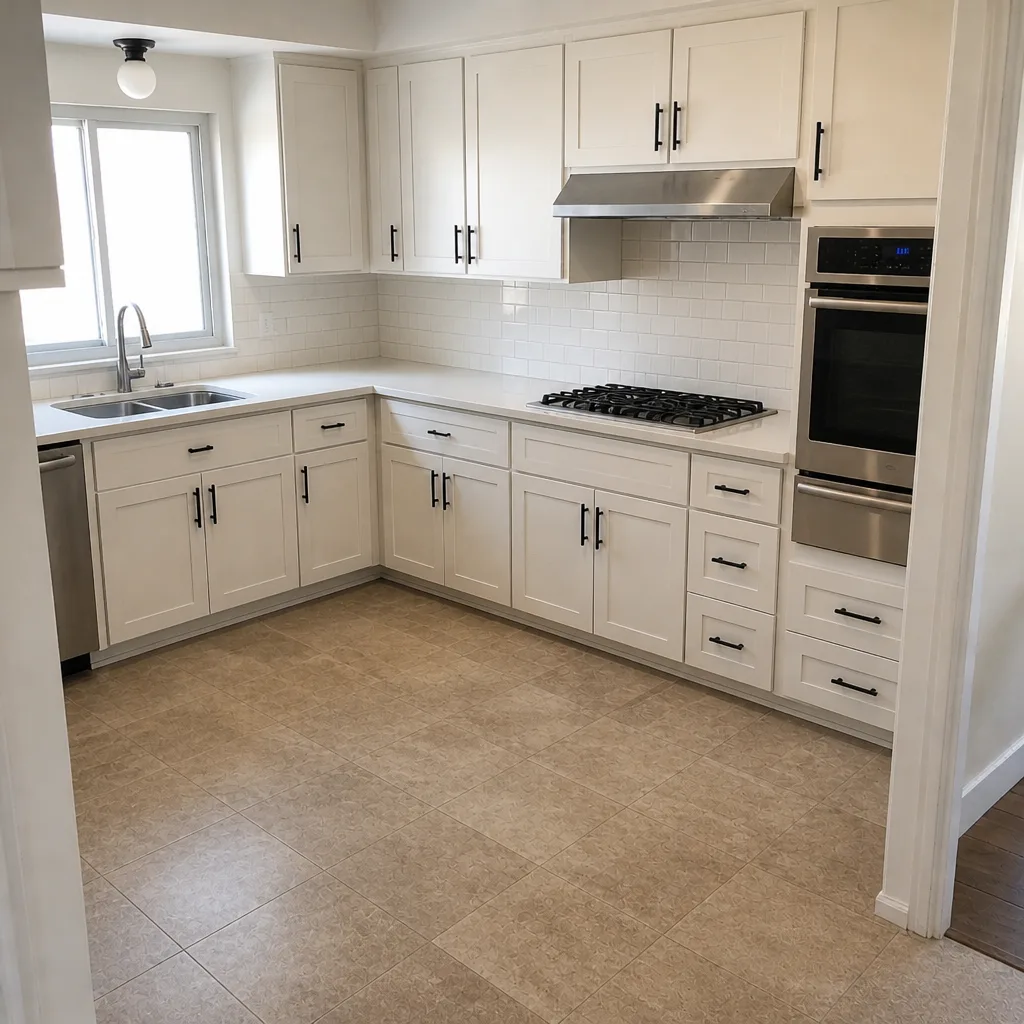
Kitchen Remodel
| Tier | Typical Range | Included |
|---|---|---|
| Cosmetic refresh | $18,000-$30,000 | Cabinet refacing, new counters, sink, paint, minor lighting |
| Mid-range full remodel | $35,000-$65,000 | New cabinets, quartz counters, appliances, tile, electrical, plumbing |
| High-end remodel with layout change | $65,000-$120,000+ | Structural changes, premium cabinetry, designer fixtures, full electrical |
Cabinet and countertop selections drive the largest swing. Designer-grade cabinet lines like Wellborn sit differently in the budget than stock options, and quartz from Cambria, Silestone, and Caesarstone varies by slab and edge profile. The single biggest cost driver, though, is whether walls move. Relocating a sink or range means electrical and plumbing reroutes plus a permit revision, and that’s where budgets get surprised.
Bathroom Remodel
| Tier | Typical Range | What’s Inside |
|---|---|---|
| Guest bath, mid-range | $22,000-$30,000 | Tile shower or tub surround, new vanity, fixtures, permit, licensed labor |
| Primary bath with layout change | $32,000-$55,000 | Walk-in shower, double vanity, tile floor, moved fixtures, waterproofing |
| Luxury bath | $55,000-$90,000+ | Premium fixtures, freestanding tub, heated floors, custom tile |
Waterproofing method is the line item nobody asks about and everybody should. Properly detailed shower waterproofing adds cost and prevents the failure that turns a $25,000 bathroom into a $40,000 repair two years later.
Fence Installation
- Wood privacy fence, 6-foot, per linear foot: $28-$55
- Vinyl or composite: $40-$75 per linear foot
- Ornamental aluminum or steel: $45-$90 per linear foot
Fencing cost per foot looks simple until you factor gates, slope, old fence removal, and property line survey. Products from Barrette, Master Halco, Ameristar, Jerith, Bufftech, and ActiveYards span the durability and design spectrum. Our fence installation page walks through material decisions in more detail.
Home Additions and ADUs
- Stick-built addition (300-600 sq ft): $180-$350 per square foot
- Prefab or modular ADU: $120,000-$250,000 installed, depending on system and site work
- Garage conversion: $60,000-$120,000 depending on plumbing and insulation requirements
Adding square footage is the most complex line item on this list because it combines every trade at once plus foundation, utilities, and a longer permit process. Prefab systems from Abodu, Dvele, Mighty Buildings, Boxabl, and Plant Prefab offer a different timeline and budget path than traditional construction, and the right fit depends on your lot, utilities, and how fast you want to be in the space. Explore home additions & ADU for the full scope picture.
The California Cost Multipliers Nobody Quotes You
Three California-specific cost factors sit underneath every number above and most bids don’t itemize them. Knowing them helps you read a bid intelligently and spot the ones that are too low to be real.
Premium Labor Markets
Labor in Los Angeles County carries a base rate 30-40% above the national average for skilled trades. Add liability insurance, workers’ compensation, and the paperwork required of a licensed California contractor, and you get the real hourly cost a company has to build into a bid. A bid significantly below local market rate usually means an unlicensed worker, no permit, or a scope that will expand later.
Title 24 Energy Compliance
California’s Title 24 energy standards apply to remodeling work that touches the building envelope: windows, doors, insulation, roofing, and additions. Compliance means specific product ratings, sometimes duct sealing or insulation upgrades to reach required performance, and documentation. The cost shows up as a “Title 24 documentation” line item or is folded into the materials cost, and it can add 3-8% to an envelope-related project. It’s not optional.
Contractor License and Insurance Costs
A licensed California contractor must carry workers’ compensation and general liability insurance at levels defined by state contractor licensing rules. That insurance cost gets distributed across every job a company runs. It’s a real cost of doing business legally, and it’s one reason the cheapest bid you receive is often the most expensive project you could start.
CSLB Verification
Every California contractor is required to be licensed by the Contractors State License Board, and every license can be verified in minutes on the CSLB website. Ask for the license number and verify it before signing anything. A permit pulled under a license that doesn’t match the contract is a red flag.
Permits and Inspections in West Covina: What They Cost
West Covina permit and inspection fees typically add 1.5-4% to the total project cost. That percentage climbs for additions and ADUs, where plan review, plan check, and inspection cycles add time and fees. The fee is calculated from project valuation, not flat-rate by project type, so a larger job pays more.
What the permit actually buys you is worth understanding:
- Code verification. A West Covina building department plan reviewer checks the design against current California building code. That review catches problems before construction, not after.
- Inspection milestones. Inspectors verify framing, electrical, plumbing, and final finish at defined stages. This creates a public record of how the work was done.
- Resale protection. Unpermitted work creates a headache and a disclosure problem the day you sell. In a market where buyers scrutinize permits carefully, an unpermitted kitchen addition or converted garage can cost you a deal.
- Insurance protection. Some homeowner insurance claims can be denied if work contributing to a loss was done without a permit.
Fees vary by city and project type, so the exact number comes from West Covina’s building department once your scope is defined. Ask any contractor you interview whether they pull permits under their own license and whose name appears on the permit. On a project with multiple trades, the permit management burden is real, and it’s one reason working with a single contractor from curb to interior keeps costs predictable.
Material Cost Volatility and How to Hedge in a Contract
Material prices have moved significantly since 2023 in three categories that touch West Covina projects most: roofing underlayment and shingle systems, window units, and tile. Roofing products rose as petroleum-based underlayment compounds and manufacturing costs climbed. Windows rose due to glass supply chains and aluminum cost. Tile pricing has moved with freight and with the shifting mix toward larger formats. These are the products most likely to swing between the date you sign and the date materials are ordered.
How to protect yourself in the contract:
- Get a fixed material price in writing. Ask that quoted material prices be locked for a defined period from the bid date.
- Ask for a price escalation clause. If the contract includes a clause allowing material price increases, ask for the percentage cap in writing.
- Pre-order key materials early. Windows and specific tile batches are the hardest hit. If your design is finalized, ordering early at a deposit reduces volatility exposure – but only do this after the contract is signed and scope is locked.
- Confirm the rotation and dye-lot. For tile, ask that the same production lot be secured for the full job, since a reorder later can produce a visible color mismatch, forcing a costlier return decision.
Material price changes are one reason cheap-per-square-foot quotes are unreliable. The written line-item estimate is what protects you. If a contractor won’t put material specifications in writing, keep looking.
Single-Trade vs. Full-Service Contracting: The Hidden Cost of Coordination
When you hire separate specialists for the driveway, roof, windows, and kitchen, the sum of their bids looks lower than one full-service contract. Almost always, the true total is higher by the time you finish. Here’s where the gap comes from:
- Mobilization costs. Each trade pays for its own setup, scheduling, and travel to the home. Every handoff has a setup charge baked into the price.
- Coordination time. If you’re the general contractor, you’re scheduling, inspecting, and problem-solving between trades. That’s weeks of your own time and a source of mistakes no one steps up to fix.
- Responsibility gaps. When a leak shows at a window the window contractor installed and the roofer flashed, who pays? Two contractors blame each other; the homeowner mediates.
- Overhead duplication. Each company carries its own administrative, insurance, and scheduling overhead, and each one passes that to you.
A full-service contractor covering the entire envelope – curb, roof, envelope, and interior – eliminates most of those costs by design. On projects where a kitchen or bathroom touches exterior windows and doors, this matters. Bringing one contract and one point of accountability makes the project a single plan rather than six schedules trying to line up.
We built our own practice around this: Construction West Covina handles everything from the driveway and fence to the roof, windows, kitchen, and bath so a homeowner isn’t left staging six different contractors.
How to Phase a Whole-Home Upgrade Without Losing Money
Many West Covina homeowners want to improve the whole property but can’t do it all at once. Phasing a project is the right answer, with one rule: phase in the right order, or you’ll pay twice.
The right sequence for a typical West Covina home:
- Structural and envelope first. Roof, windows, and any additions or ADU. These affect the interior before and after finish. If you replace the roof after the kitchen, you risk landscaping and interior work to fix what the roof crew needs to access.
- Then exterior hardscape. Driveway, walkways, and paver surfaces. Once stored materials are off the property, the exterior can be finished cleanly.
- Then interior. Kitchens and bathrooms. Interior finish work depends on roof and window protection.
- Fencing last, or alongside hardscape. Fencing protects the property line while material and equipment are on site, so it usually goes in early in practice.
Two cost advantages come from phasing this way. First, earlier phases inform later ones – a new roof may permit adding an attic or dormer on a later phase at a lower setup cost. Second, you spread material orders over time, reducing exposure to any one peak price.
When you plan a phase, budget the whole sequence rather than each phase in isolation. The total numbers in the tables above help you shape that plan before you commit to a first phase. And coordinate the phasing schedule with a permit calendar; some West Covina homes will need a new permit and inspection for each phase, so schedule each phase to overlap cleanly.
For a full-picture look at how a single contractor handles a phased sequence, see our page on Construction West Covina.
Building Your Budget: A Step-by-Step Framework
Turn the numbers in this guide into a real budget with the following method. It’s the same framework we walk through in a free estimate.
- Start with the fixed pieces. Permit fees, engineering or plan review, and any documentation (Title 24, structural). These are calculated and don’t flex.
- Add the primary trades. Pick the line-item range in this guide corresponding to your tier and multiply by your actual dimensions.
- Add materials by selected brand. Choose from the listed brand categories for the tier you can afford, then cost the specific brands and finishes.
- Add a 3-5% design and project administration allowance. Plan drawings, revisions, and selection time are real costs.
- Add a 10-15% contingency. Reserve it for surprises – hidden damage, code-required upgrades, or a material price change.
- Compare the total against your comfortable spend, not the maximum you can borrow. Stalled projects happen because the budget had no contingency and the homeowner spent to the absolute edge.
- Get three written line-item estimates from licensed, insured contractors who pull permits under their own license. Compare them by specification, not by bottom line. Read our guide to comparing bids if you aren’t sure how to line up the scopes.
That process turns a national cost average into a real West Covina budget for your home. Use the firm numbers, then keep a written record of the assumption behind each one.
Common Mistakes to Avoid
- Budgeting from a national average without a local multiplier. A bathroom remodel or kitchen that looks affordable on a national database can be 30% higher in West Covina. Apply the California multiplier before you commit.
- Skipping the contingency. Remodeling older West Covina homes almost always uncovers hidden conditions like undersized wiring or old plumbing. A 10-15% reserve turns a crisis into a line item.
- Choosing the lowest bid without reading the specification. A bid with lower-grade underlayment, an unspecified tile, and no permit isn’t cheaper. It’s a different, worse project for less money.
- Doing interior finish before the envelope. Remodeling a bathroom and then replacing the roof means the roof crew goes over the finished bath and damages it. Roof and windows first.
- Hiring unlicensed contractors to save on insurance and permits. On a permitted, inspected project, an unlicensed contractor exposes the homeowner to liability, failed inspections, and insurance claim denial. Verify the CSLB license before signing anything.
- Leaving the permit process to the homeowner. The homeowner ends up managing inspection scheduling and revisions. On a full-scope project, permit management is part of the job; ask your contractor who handles it.
- Assuming material prices will hold. Roofing underlayment, windows, and tile have moved since 2023. A bid with no price lock puts that risk on you, not the contractor.
See the difference
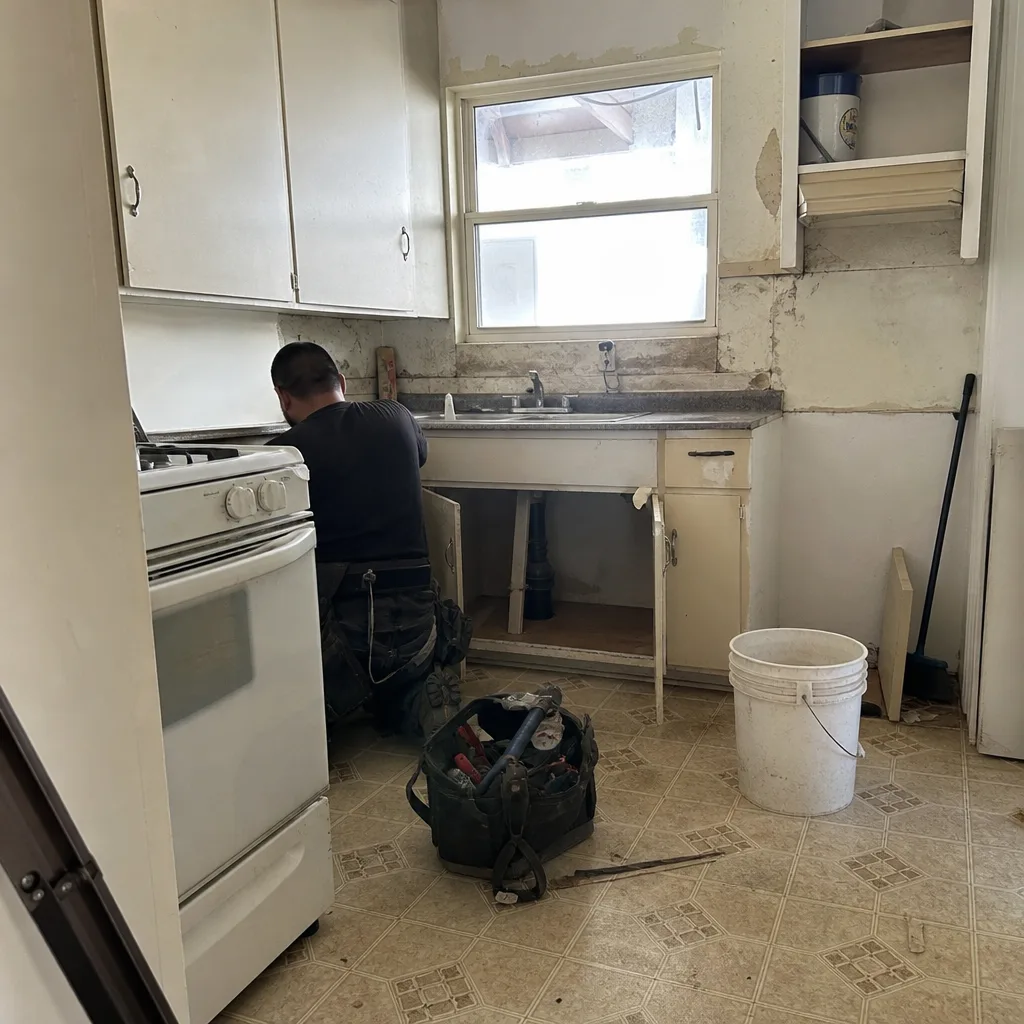 Before
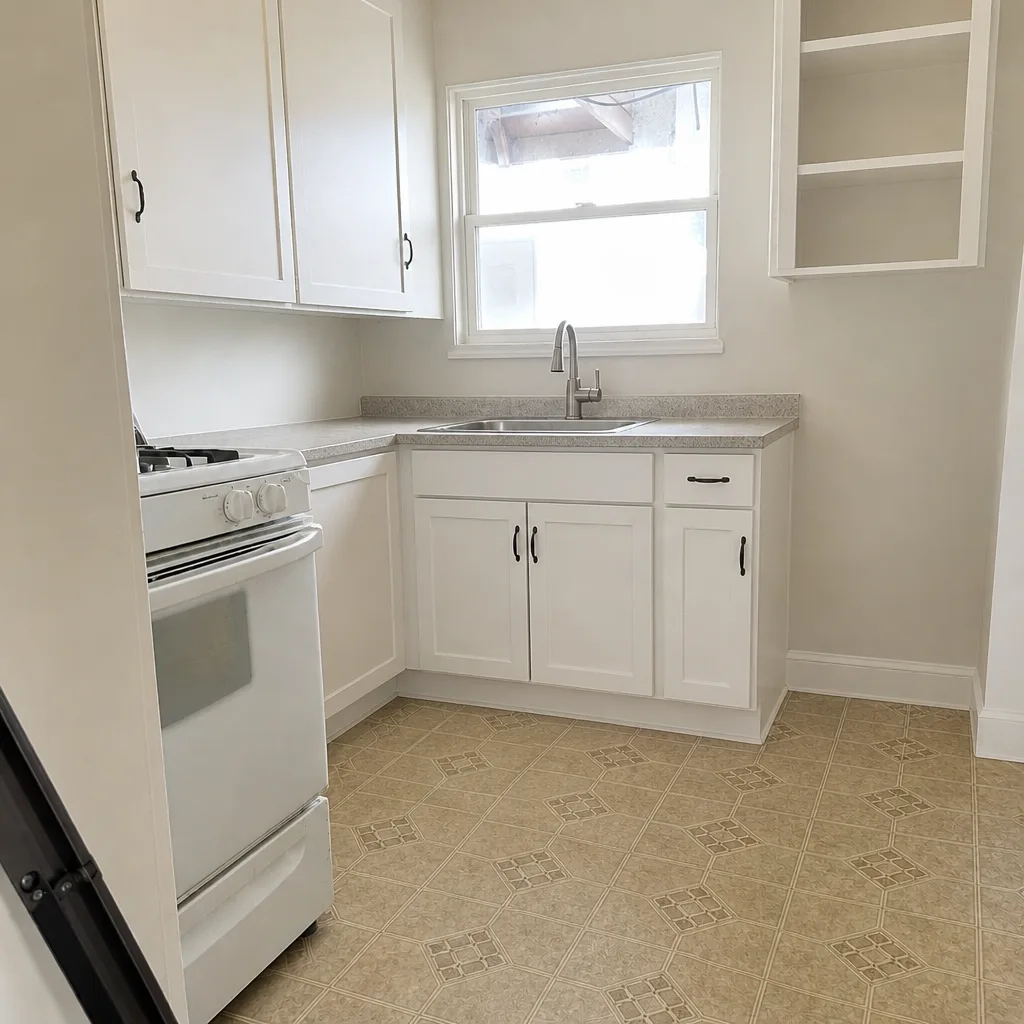 After
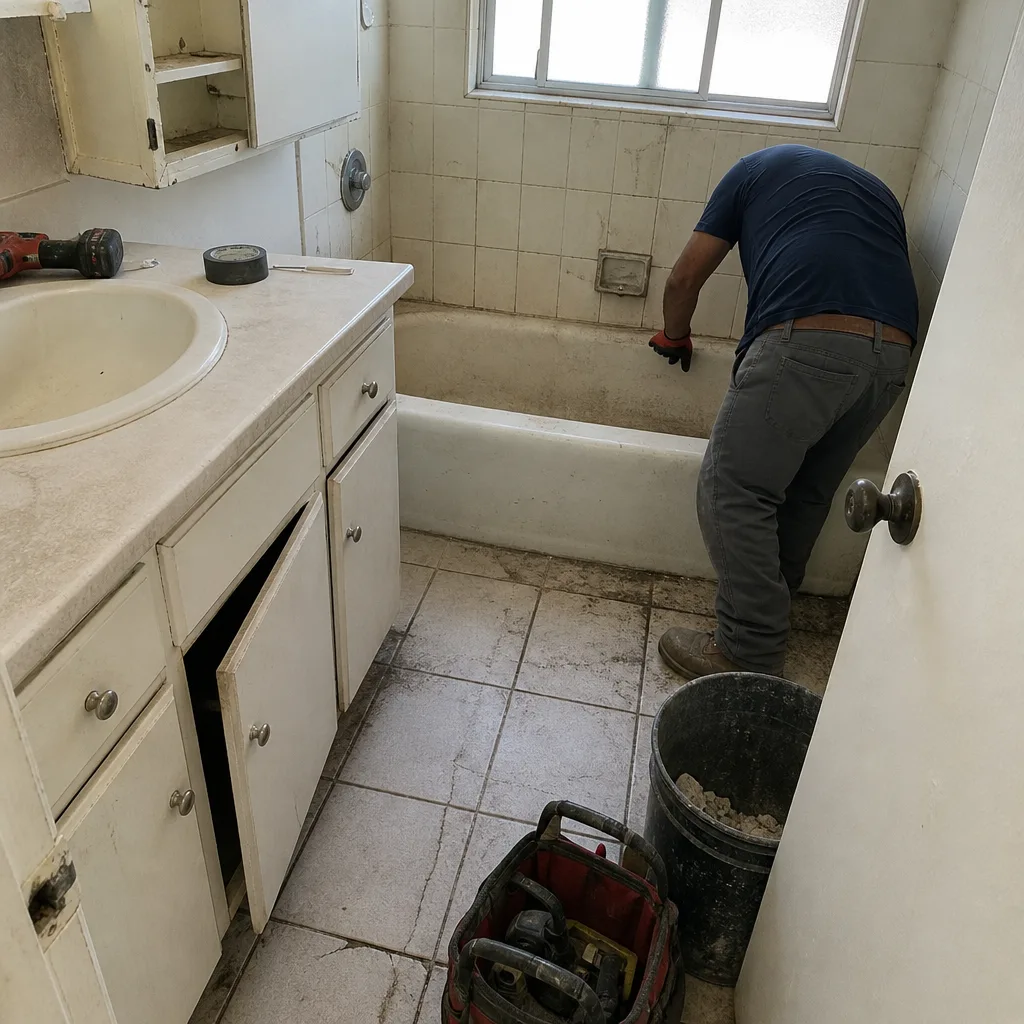 Before
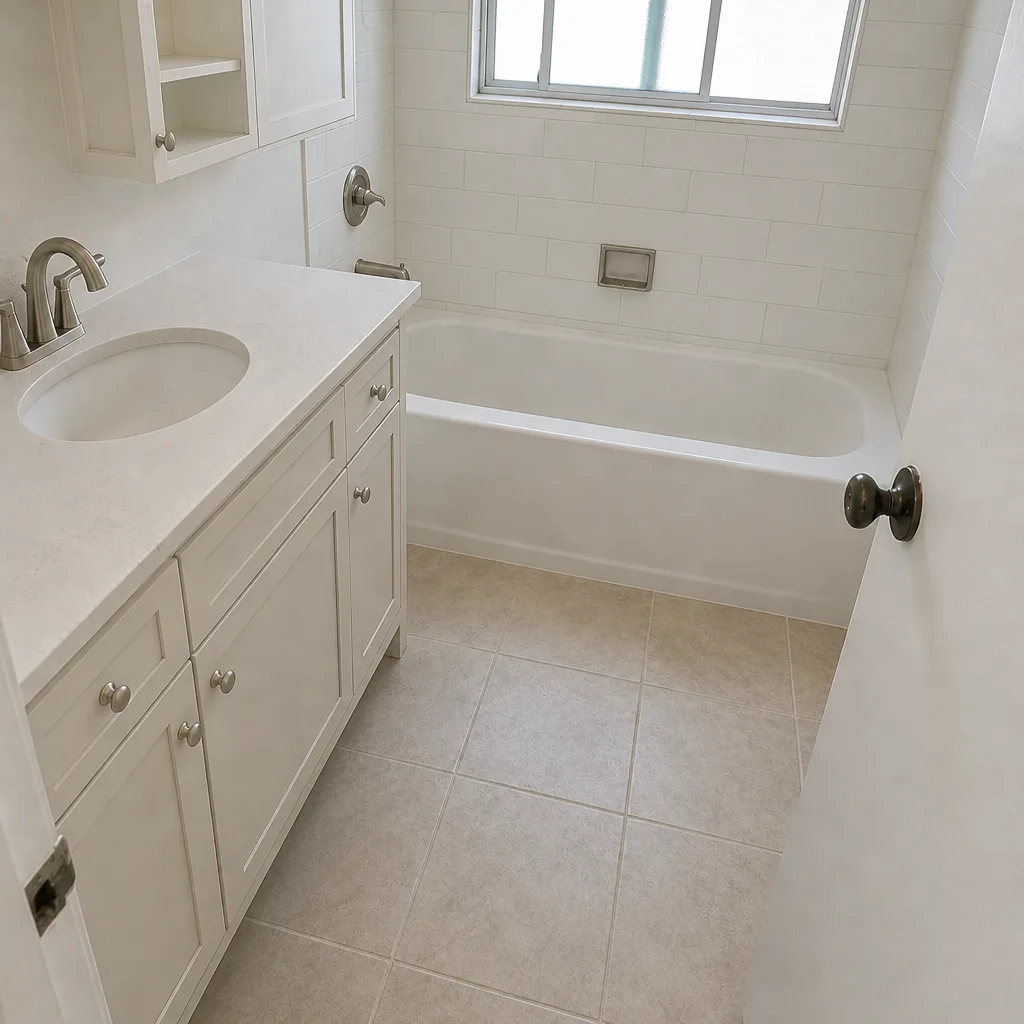 After
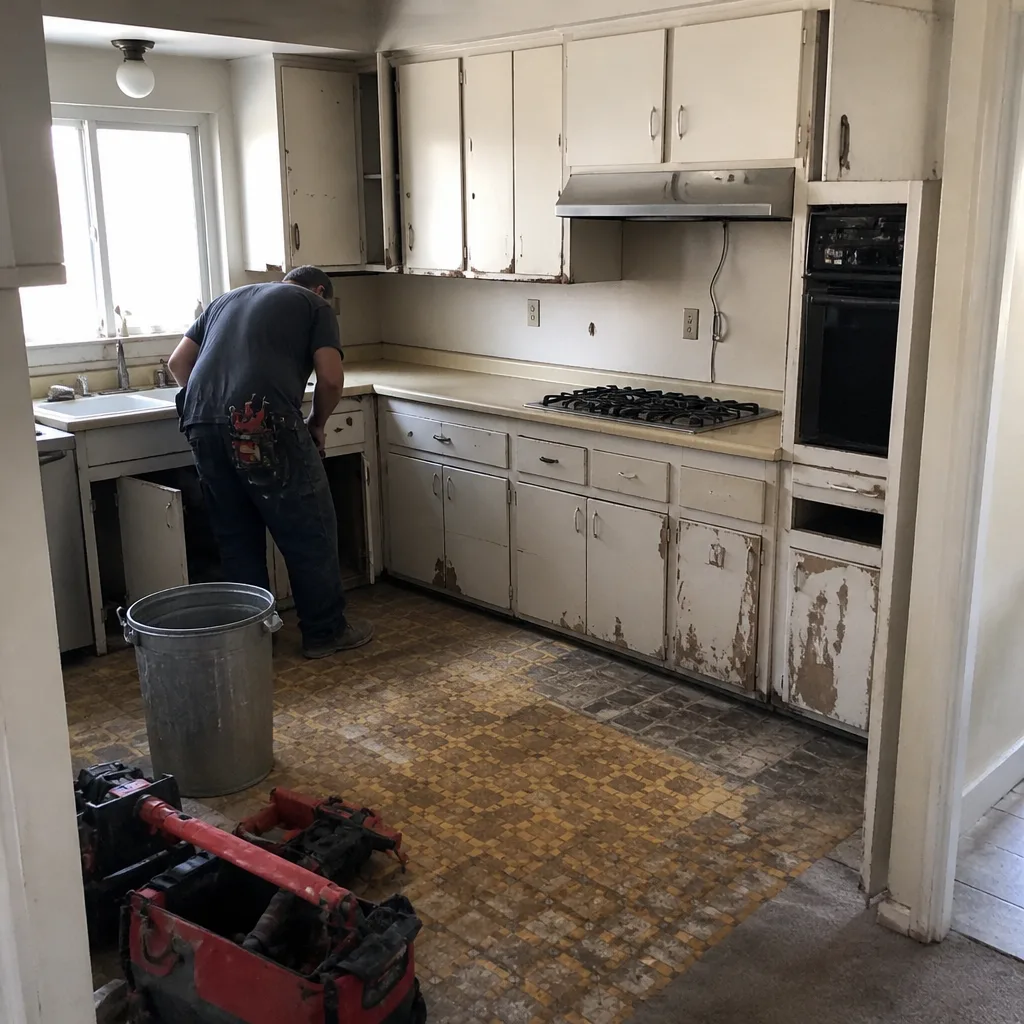 Before
 After
When to Call a Professional
The moment your project involves electrical panels, gas lines, structural framing, roofing height work, or a permit, it’s time to call a licensed professional. Those components carry genuine safety risks and code compliance requirements no homeowner should take on. Call a professional when you’re changing the layout of a kitchen or bath, finishing an attic or garage, adding living space, replacing a roof, or doing anything with a permit attached. An experienced estimator can turn a range into a line-item written estimate. Construction West Covina offers free estimates in West Covina. Call (844) 320-3099. We answer 24/7. Fast dispatch from 7am to 7pm, Sunday through Friday.
Frequently Asked Questions
A mid-range bathroom remodel in West Covina typically costs $22,000-$30,000, including permit, tile, a new vanity, and licensed labor. Layout changes and premium finishes push it higher. Call (844) 320-3099 for an exact quote. Estimates are free.
Yes. Local costs run roughly 30-40% above national averages for labor, plus higher permit fees and California energy code compliance. The national databases mix lower-cost regions into their averages. The written estimate based on your home is the only number that matters.
Yes. We pull permits under our own California contractor license and manage the inspection schedule. Permit and inspection fees are line items in the written estimate, and you’ll see them before work starts.
Not for the scope in the written estimate. Hidden conditions discovered after demolition can change the scope, and those changes require your written approval before we proceed. That’s why we build a contingency into the budget from the start.
A bathroom takes about 3-5 weeks, a kitchen about 6-10 weeks, and a roof replacement 1-3 days depending on the roof. Additions and ADUs run 4-9 months depending on permit timelines. Call (844) 320-3099 for a timeline specific to your project.
Yes, and we recommend it. Sequence work so the roof and windows happen before interior finishes, and the driveway and fence follow roof storage. Phasing spreads material costs across time and reduces risk from peak prices.
The Bottom Line
National costs underestimate West Covina projects, but the gap is predictable when you know the local multipliers: labor, Title 24, permits, and insurance. Build your budget from the line items here, add a contingency, get three line-item estimates, and verify every contractor’s license. That path will get you to a realistic number before you sign. When you’re ready to turn a range into a plan, Construction West Covina offers free, written estimates across the whole home, curb to kitchen. Call (844) 320-3099. We answer 24/7. Fast dispatch from 7am to 7pm, Sunday through Friday.
Written by the team at Construction West Covina.