
Last updated November 17, 2026
 Home additions & ADU
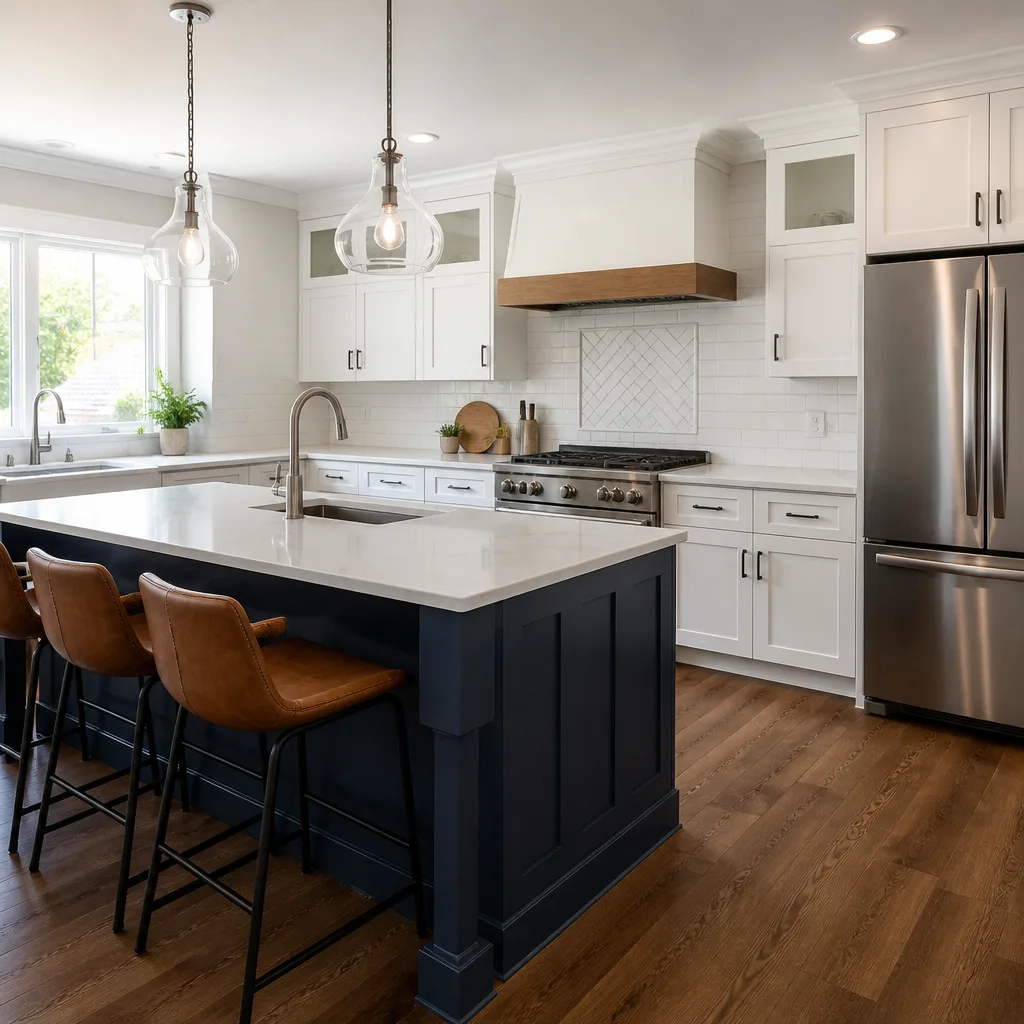 Kitchen remodeling
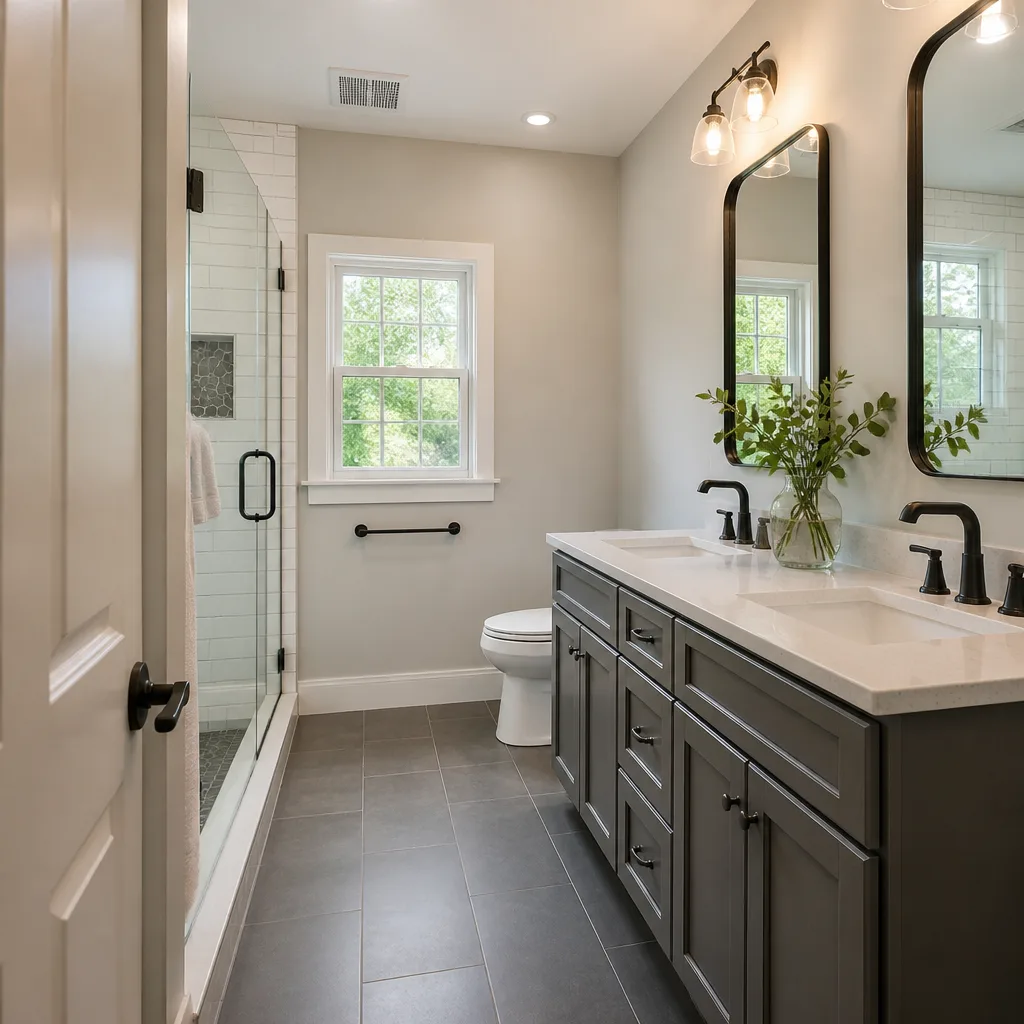 Bathroom remodeling
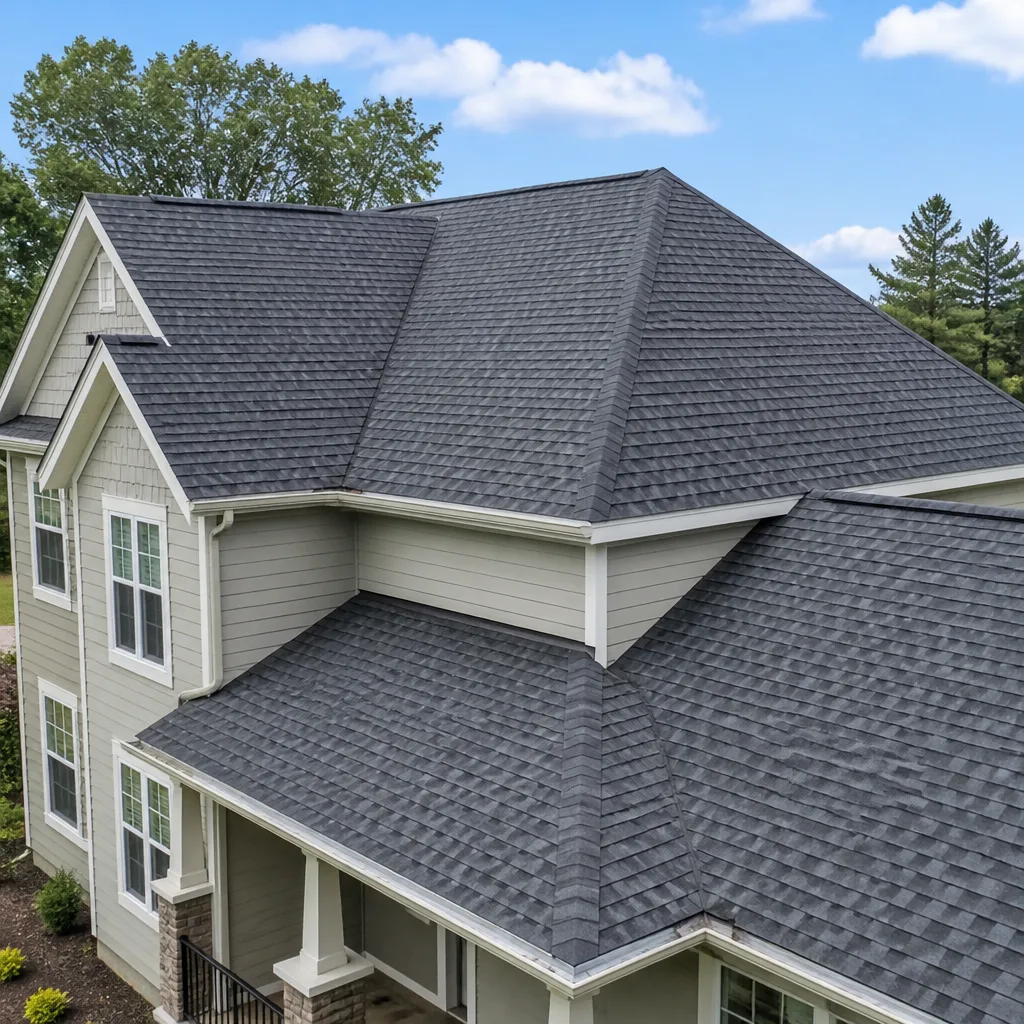 Roofing
 Windows & doors
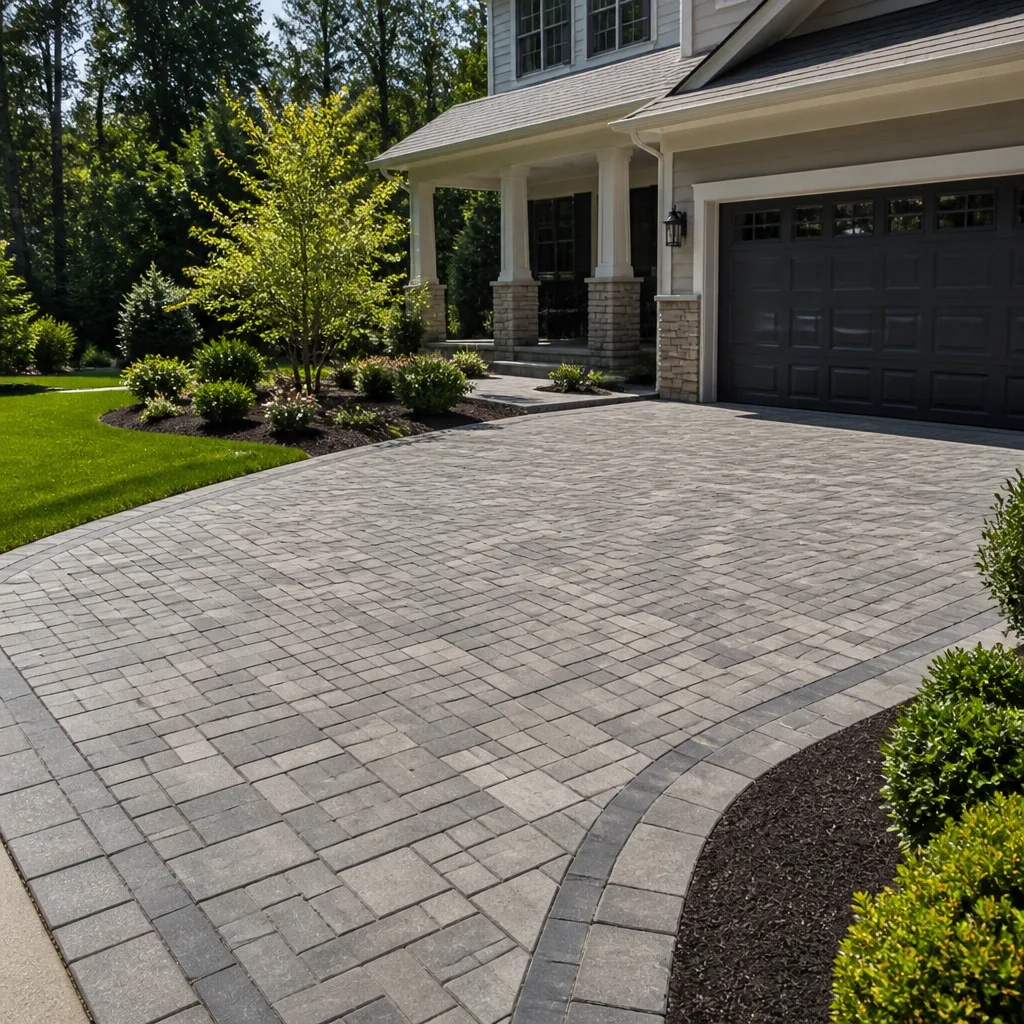 Driveway & pavers
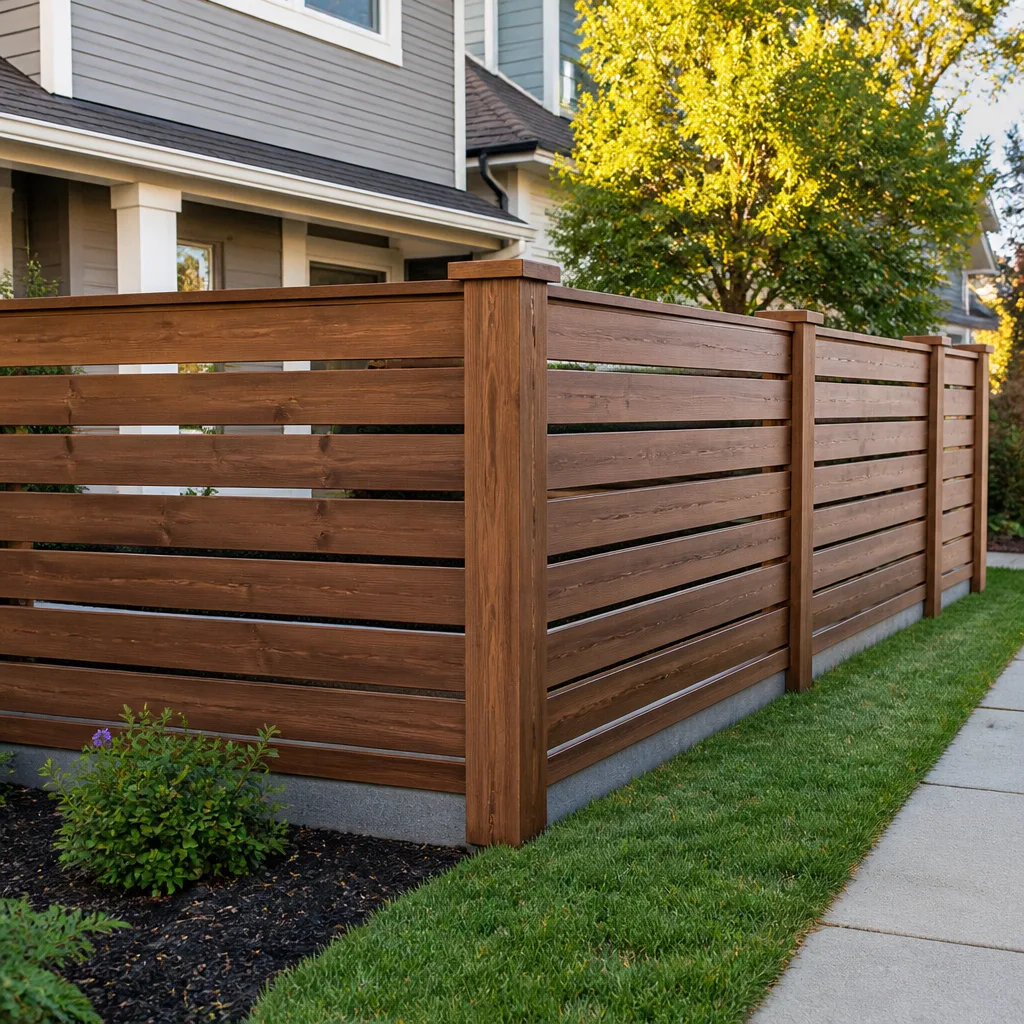 Fence
Free written scope consultation - allowances, timeline, and change-order rules on paper before a single trade is scheduled
Construction Warning Signs: A West Covina Homeowner’s Reference Guide
A hairline crack in stucco is not a stucco problem. In West Covina’s clay-heavy soil, that crack is usually the first readable sign that the foundation underneath is moving, and re-stuccoing it without understanding why guarantees it comes back within a season. The same logic applies to every system in your house: what you see at the surface is almost always a symptom, and the real cause started months earlier. This guide teaches you to read those early signals across the foundation, roof, framing, windows, and hardscape, before cosmetic fixes turn into structural repairs.
Quick Answer
The most reliable construction warning signs in a West Covina home are stair-step cracks in brick, doors that stick only in certain seasons, floor slopes you can test with a marble, granule loss in gutters, interior daylight visible from the attic, window and door frames separating from interior walls, driveway edges lifting, and soft grout or baseboard staining in kitchens and bathrooms. Each one points to a system in motion: expansive clay soil, framing movement, water intrusion, or base failure. Catching them at the symptom stage is what keeps a repair small.
Styles & brands we work with
- Kitchen remodeling
- Bathroom remodeling
- Home additions & ADU
- Roofing
- Windows & doors
- Driveway & pavers
- Fence
Table of Contents
- Foundation Signals in West Covina’s Expansive Clay
- Roof Warnings You Can’t See From the Ground
- Window and Door Frame Separation: Framing, Not Caulk
- Driveway and Hardscape Signals That Come Before Cracking
- Water Damage Hidden Under Kitchen and Bath Surfaces
- Stucco and Exterior Wall Clues
- How West Covina’s Seasons Mask Problems
- Common Mistakes to Avoid
Foundation Signals in West Covina’s Expansive Clay
The San Gabriel Valley sits on some of the most expansive clay soil in Southern California, and West Covina is no exception. That clay swells when it absorbs winter rain and shrinks hard in the dry months, and it does not do so evenly. One corner of a slab lifts while another stays put, and the house above slowly follows. This is differential movement, and it writes its signature all over the exterior.
Here is how to read those signatures:
- Stair-step cracks in brick or block. A diagonal crack that steps through mortar joints in a zigzag pattern is the classic sign of one side of the foundation settling more than the other. Vertical cracks in stucco are less concerning; stair-stepping in masonry is not.
- Doors that bind seasonally. If a bedroom door drags in late summer but swings free in winter, the framing is moving with the soil, not warping from humidity.
- Floor slopes. Set a marble on a hard floor and watch where it rolls. A slow drift toward one wall over several feet tells you the slab or the subfloor has dropped there.
- Cracks above door and window corners. Interior drywall cracks radiating from the top corners of openings trace the stress path of a moving frame.
- Gaps at the wall-to-ceiling line. Crown molding separating from the ceiling on one side of a room is a sign the wall has moved downward relative to the ceiling.
West Covina homes on graded lots, especially where the uphill side drains toward the house, tend to show this movement faster than flat-lot homes. Before you patch a single crack, find out whether the soil under your foundation is still moving. If it is, cosmetic repair is money thrown away.
Roof Warnings You Can’t See From the Ground
By the time a roof leak shows up as a brown ring on your ceiling, water has usually been finding a path in for a while. The most useful warning signs are hidden from the curb, so a proper roof inspection means going into the attic and looking at what the roof is dropping.
Watch for these:
- Granule buildup in the gutters. Asphalt shingles shed granules as they age. A handful is normal; a thick, gritty layer in the gutter run means the shingle surface is breaking down and losing its protective coating.
- Daylight in the attic. On a sunny West Covina afternoon, stand in the attic with the lights off. Any pinhole of light through the roof deck is an open path for water.
- Thermal blistering on flat sections. Flat and low-slope roofs trapped under the summer sun develop raised blisters where the membrane has separated from the layer beneath. Each blister is a future split.
- Water staining on rafters and sheathing. Dark streaks on the underside of the roof deck point to a leak that has been running for a while, even if you’ve never seen a drip.
- Sagging or soft spots on the deck when you walk the attic. A declining underlayment or soaked deck fails sooner than the shingles above it.
This is where the brand on your roof matters. Shingle systems from manufacturers like GAF and CertainTecented carry specific warranty terms tied to proper ventilation and installation, and a roof installed to the wrong spec voids that protection before the first rain. During a West Covina rainy season, the difference between a properly vented roof and a sealed-up one shows up as attic condensation rather than a drip – easy to miss and slow to damage. The roof you can see is only half the story; the deck, the flashing, and the attic are the other half.
Window and Door Frame Separation: Framing, Not Caulk
A gap opening between a window frame and the drywall beside it is almost never a caulk problem. It is the building’s skeleton shifting, and the window or door frame is the first thing to show it. Recaulking a gap that keeps reopening is going to fail on the same schedule every time.
Suppose you notice a gap along one edge of a window’s interior trim. Here is the sequence that tells you whether it’s framing or finish:
- Check the opposite side of the room. If the gap is larger on one side than the other, the frame is racking rather than shrinking evenly.
- Open and close the window through a full season. If it operates smoothly in spring and binds in fall, you have movement, not a hardware failure.
- Look at the exterior corner trim and the stucco around it. Cracks radiating from the window opening match the interior gap – a strong indicator the frame has moved.
- Check the door at the far end of the same wall. Doors that bind in one direction and stay free in the other often share a wall with a racked window frame.
If a window is binding because the wall behind it is moving, a new window in the same opening will do the same thing. When it’s time for Construction West Covina home window replacement, the correct order is to stabilize what the framing is doing first, then install a window rated for the opening and the exposure. The newer impact and energy-rated systems from makers like PGT, CGI, and ECO Window Systems are designed with the right specifications for our climate, but they are only as good as the wall they’re set into.
Driveway and Hardscape Signals That Come Before Cracking
A driveway does not crack without warning. Long before the surface gives way, the base underneath it starts moving, and the pavers or concrete at the surface tell you through subtle signals. Reading them early saves you from a full tear-out.
The three signals that come first:
- Edge lifting. When the outer edge of a paver driveway lifts away from the curb or the lawn, the base underneath has shifted or drained poorly. Water sitting at the edge is the usual culprit.
- Joint sand washout. On a paver surface, rain washing the joint sand out between pavers is not just a maintenance chore. It means water is running over the surface rather than draining away, and the pattern of washout shows you exactly where the grade is wrong.
- Low-spot pooling. A puddle that sits for hours after rain marks a settlement in the sub-base. Left alone, the water works down into the soil and softens the beds under the pavers.
West Covina’s clay does not absorb water fast, so a hardscape that drains poorly sits in contact with wet soil longer than it should. Fixing this before the surface cracks is a base-level job. Fixing it after is a full replacement. If your driveway is past the warning stage, the right move is to work with a specialist who installs hardscape on a properly graded base. Belgard, Unilock, and Techo-Bloc all make paving systems built to handle this kind of soil, and the correct spec matters more than the brand. When the time comes for a driveway & pavers install, the project starts underground, with base depth and slope, not with the visible pavers.
Water Damage Hidden Under Kitchen and Bath Surfaces
The wet rooms in a house hide their failures under finishes, which makes early water damage the most under-reported problem in any West Covina home. A cosmetic surface that looks fine can sit over a slow leak for months. The trick is to read the finish itself.
Look for these signatures:
- Soft or darkened tile grout. If the grout line in a shower or floor turns dark and feels soft when you press it, water has reached the setting bed underneath.
- Baseboard staining at floor level. Dark wicking lines along the bottom of baseboards next to a sink, vanity, or shower mean water is traveling under the floor and wicking up.
- Cabinet-bottom swelling. The bottom panel or the toe kick under a sink and the floor of any base cabinet should be flat and stiff. Swelling, peeling, or a musty smell means a slow leak above it.
- Bubbling or lifting caulk at tub and shower edges. Adhesive caulk that keeps releasing tells you the substrate underneath is wet and cannot hold a seal.
- Loose or hollow-sounding tile. Tap a floor tile with a knuckle. A hollow sound means the thin-set has released, which almost always tracks back to water under the surface.
In a kitchen or bathroom remodel in West Covina, the water damage discovery stage sets the scope, and it’s the part of the job that no homeowner sees on a quote template. Get the underlying leak found and fixed before new tile or a new vanity goes over it. When the time comes for a bath remodel in West Covina or a kitchen gut, a contractor that also handles the walls, the floors, and the plumbing fixtures under one contract has fewer failure points than a set of hand-offs between specialists.
Stucco and Exterior Wall Clues
Stucco is the most common exterior on West Covina homes, and it’s an unreliable narrator. It can look intact while the wall behind it is wet or moving. Stucco cracks tell you where the wall below the surface is compromised, so the position and shape of a crack is more informative than its size.
A short glossary of what a crack’s shape is telling you:
- Horizontal cracks along a wall often track a framing or stucco attachment failure at that height.
- Diagonal cracks climbing from a window or door corner follow the stress path from a moving frame.
- Spiderweb or map cracking across a whole panel is usually a stucco mix or curing problem and less often structural.
- Stair-step cracks behind the stucco at brick courses point to foundation movement, as covered above.
If you notice soft stucco or visible moisture wicking at the bottom of a wall, the source is usually drainage or a leak behind the exterior cladding. On the front of many West Covina homes, the fence is part of that exterior envelope and can mask a grade issue at the same wall. If your fence installation was done right, the base is set so it drains, and the fence line itself becomes useful evidence of whether water is running toward the house or away from it. Siding choices matter too, since James Hardie exterior products hold up to our dry-wet swing better than softwood, and setting them on a wall that isn’t moving is what makes the material last.
How West Covina’s Seasons Mask Problems
Our climate plays a trick on homeowners. The same soil movement that causes foundation problems gets a break from the plant growing season. Winters are mild; summers are hot and dry. The swing between the two is exactly what pushes expansive clay around, but the symptoms are seasonal and easy to dismiss.
Here’s the pattern most West Covina homeowners see:
- Dry season: doors bind, floor cracks open wider, drywall cracks at wall corners get visible. This is when soil has dried and pulled away from the foundation edges.
- Wet season: cracks look smaller, doors swing free, drywall gaps close slightly. Homeowners read this as “it fixed itself” and skip the repair, and the cycle starts over the next year.
- Rain on a roof past its service life: the first significant winter rain finds every failed flashing and lifted shingle. If you discover leaks after the first storm, that is usually a delayed symptom of a roof installed or last repaired two or three seasons ago.
The takeaway: judge a house by its dry-season reading. Any crack, gap, or slope that opens in the hottest, driest part of the year is the version that tells the truth about what’s moving underneath. Patterns of movement that repeat season after season are the ones to fix, not the ones that only appeared once.
Common Mistakes to Avoid
- Re-stuccoing over a crack without testing the foundation. The crack returns, and the money spent on the cosmetic fix is gone.
- Recaulking a window or door frame that keeps separating. The gap reopening is a signal the wall is moving, and the caulk was never the problem.
- Patching a driveway low spot with more concrete. The new material sits on the same failing base and cracks on the same schedule.
- Replacing a roof without checking the attic and the flashing. The old leak path stays sealed up under new shingles, and the warranty does not cover what nobody looked at.
- Ignoring a soft tile floor in a bathroom until it spreads to the next room. The leak under the tile can wick into the subfloor and framing of the room beside it.
- Assuming the wet-season version of the house is the real one. Cracks that close in the rain were there at full width in the summer; that’s the reading that matters.
- Hiring five different trades to fix five different symptoms independently. Too often, the symptom in each house belongs to one underlying cause, and the contractor who sees all of them can find it.
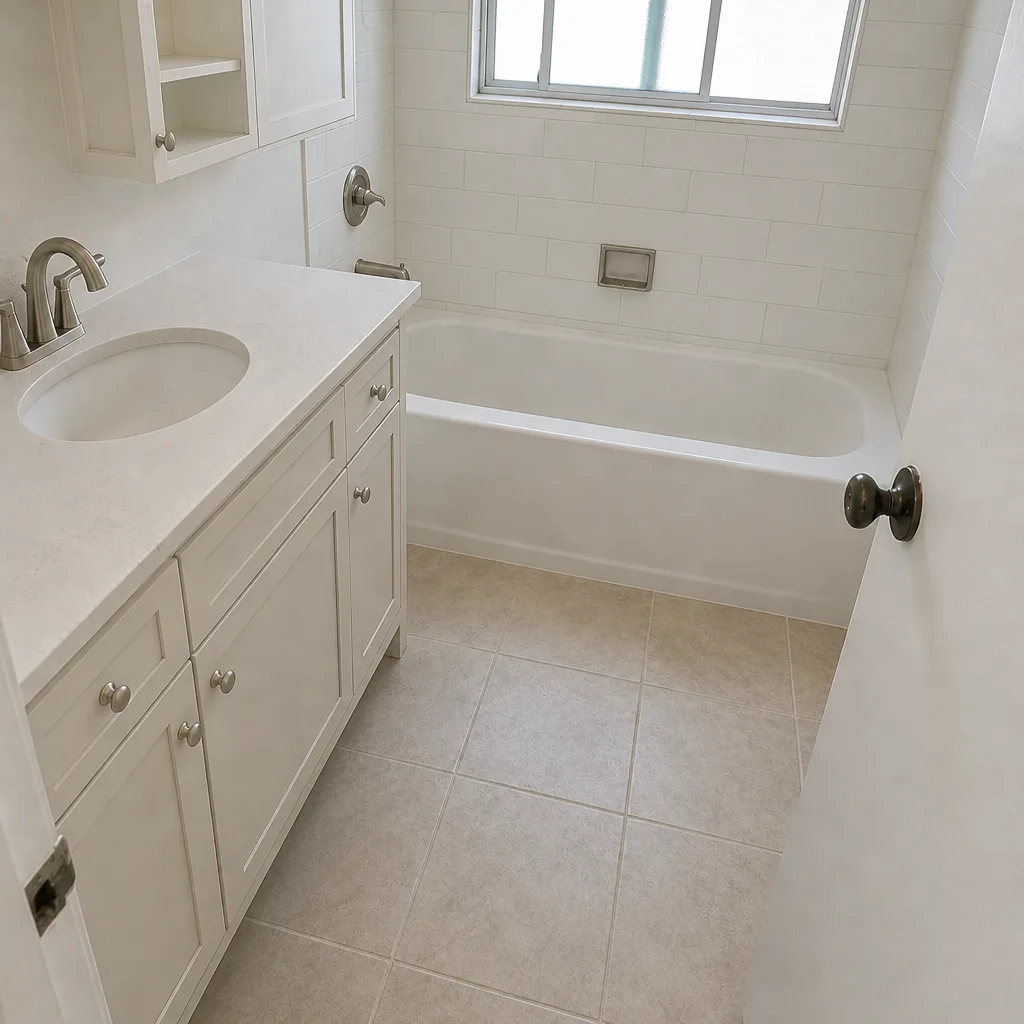
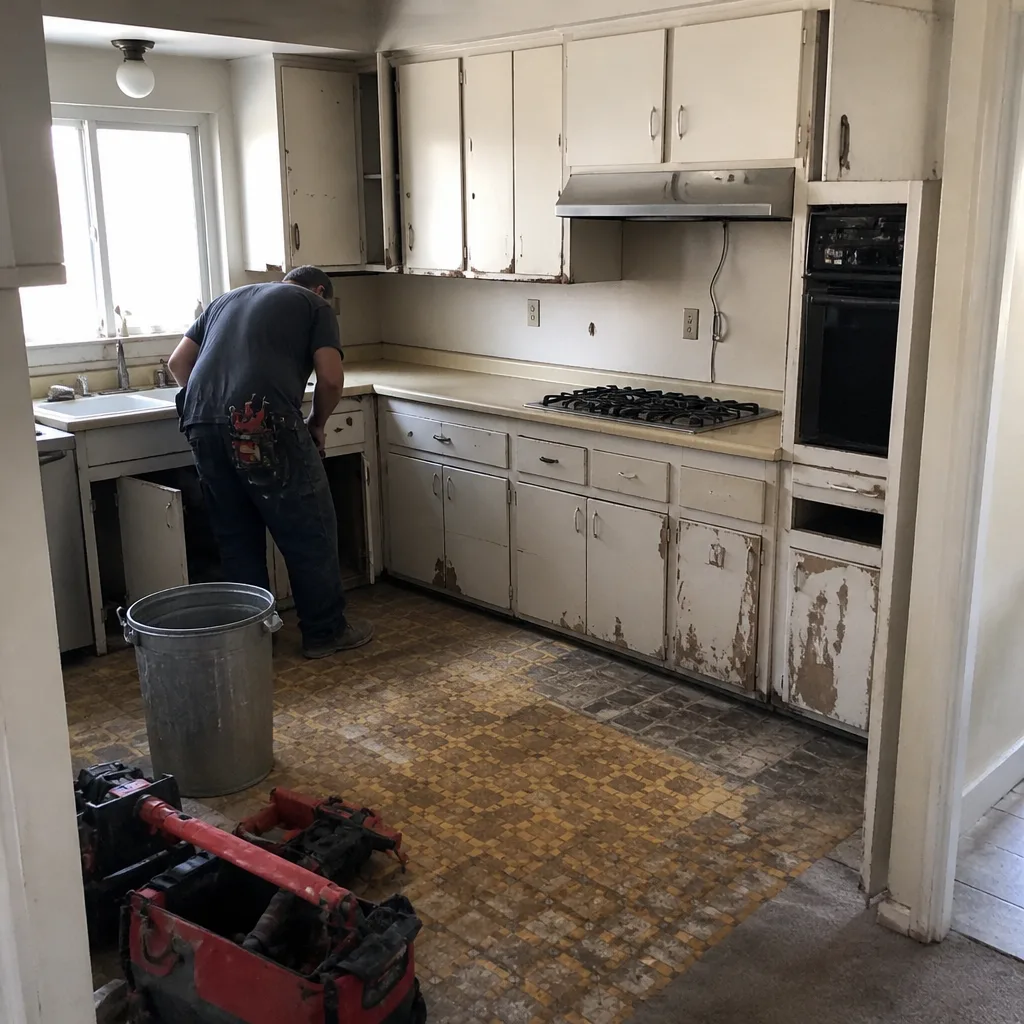
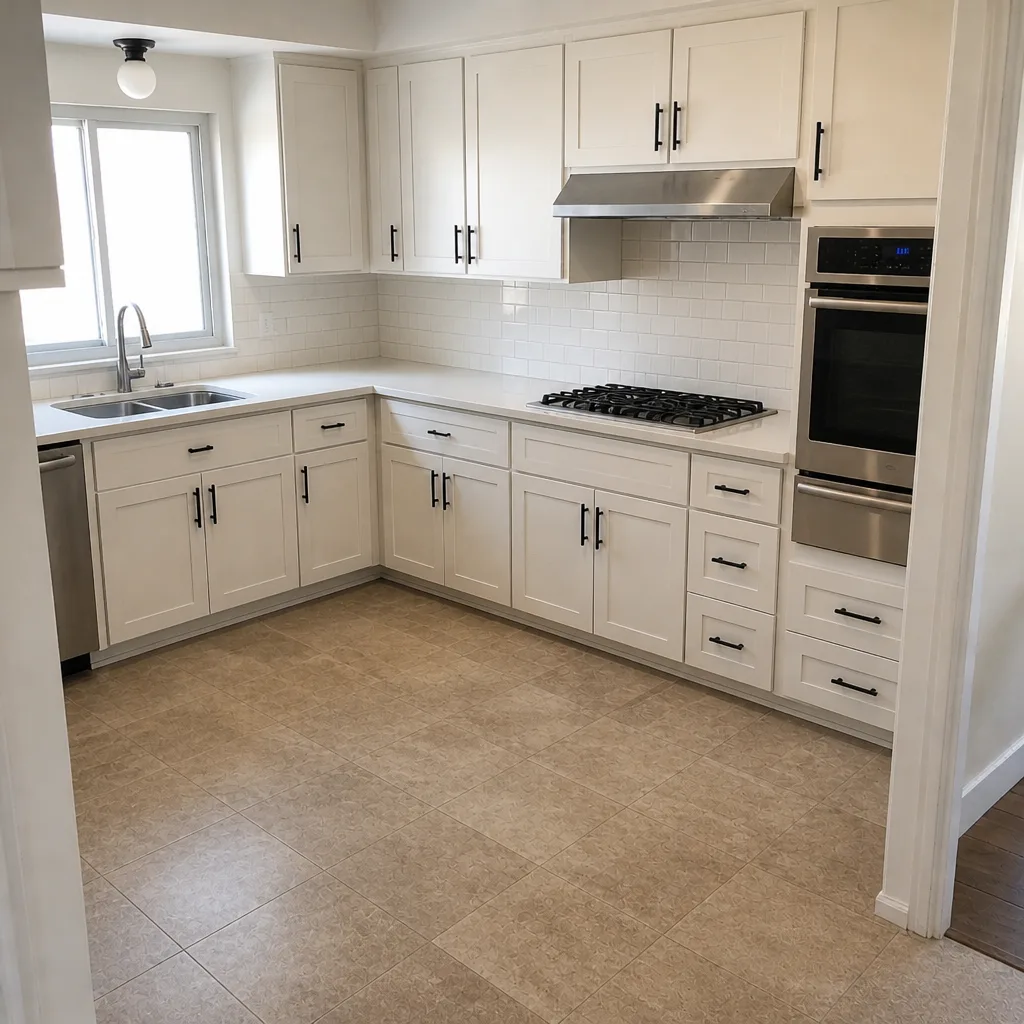
See the difference
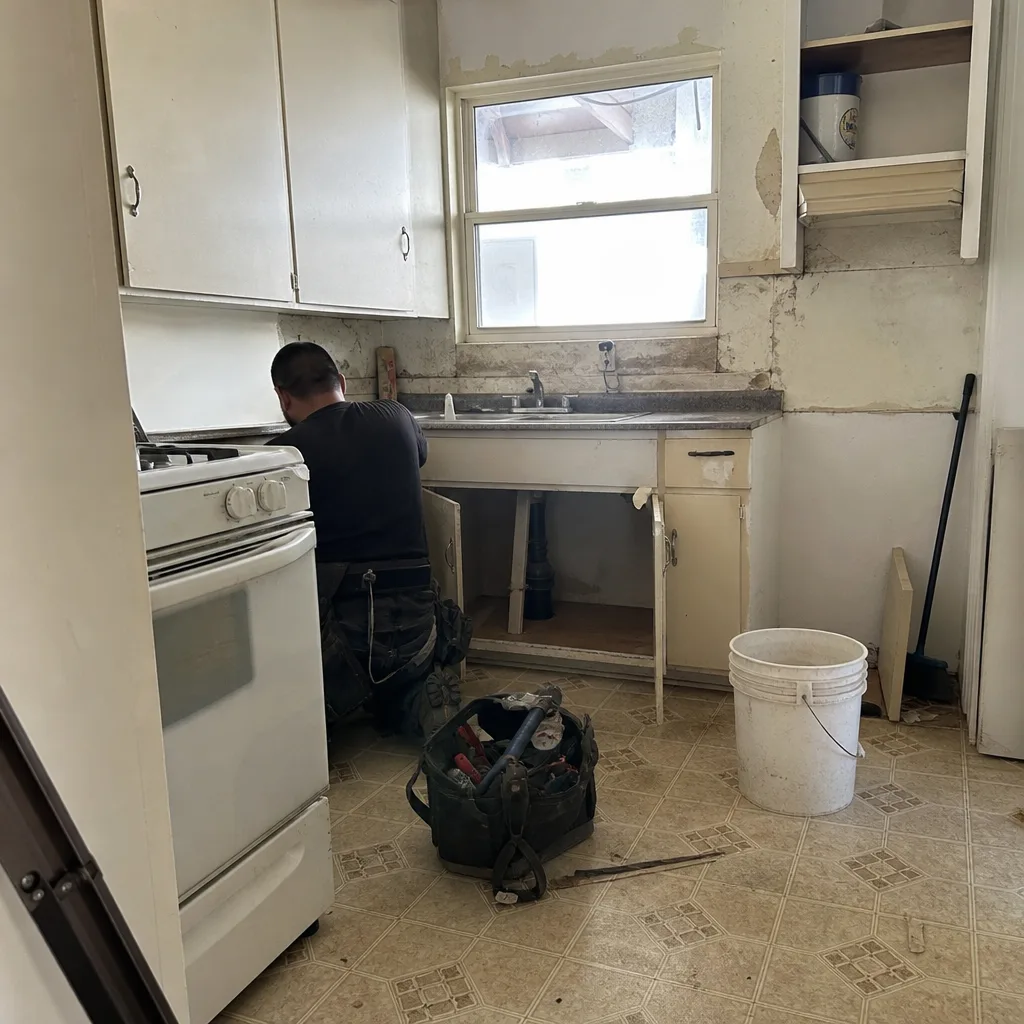 Before
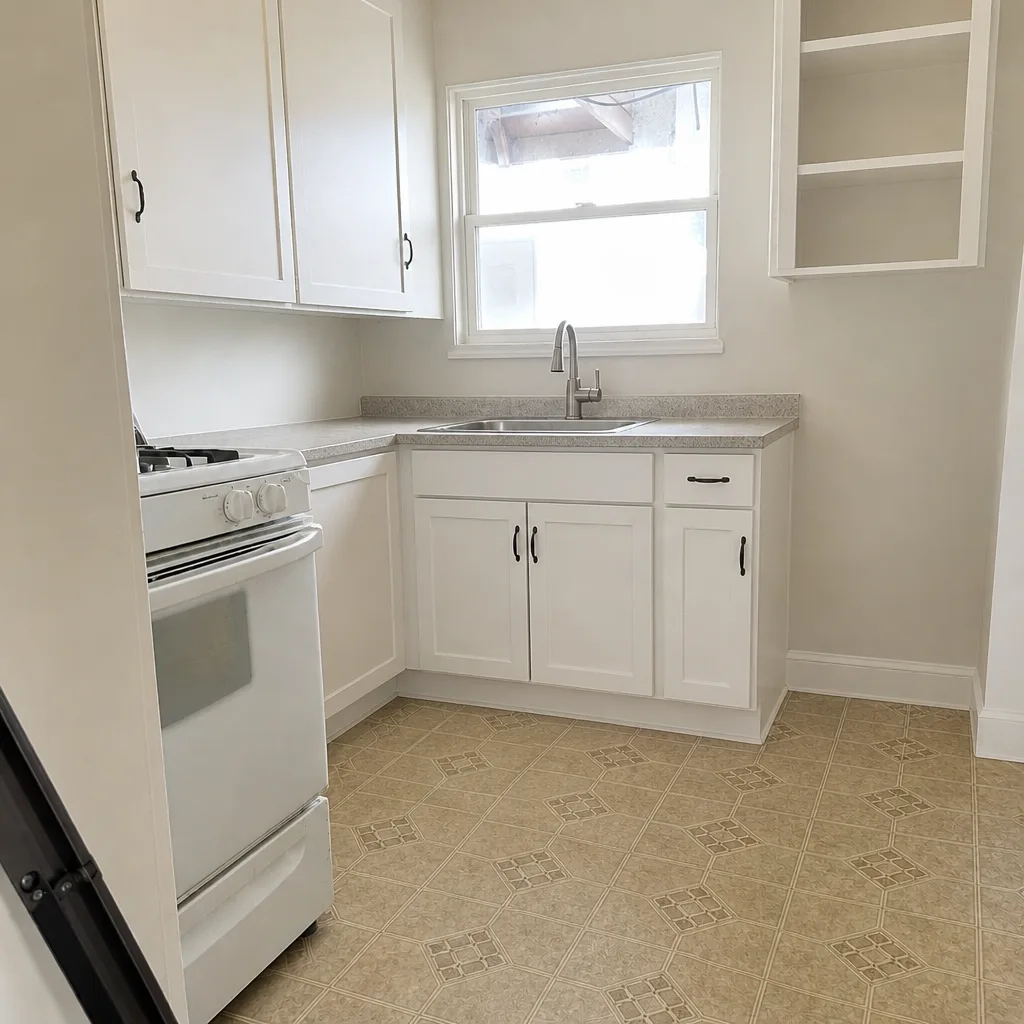 After
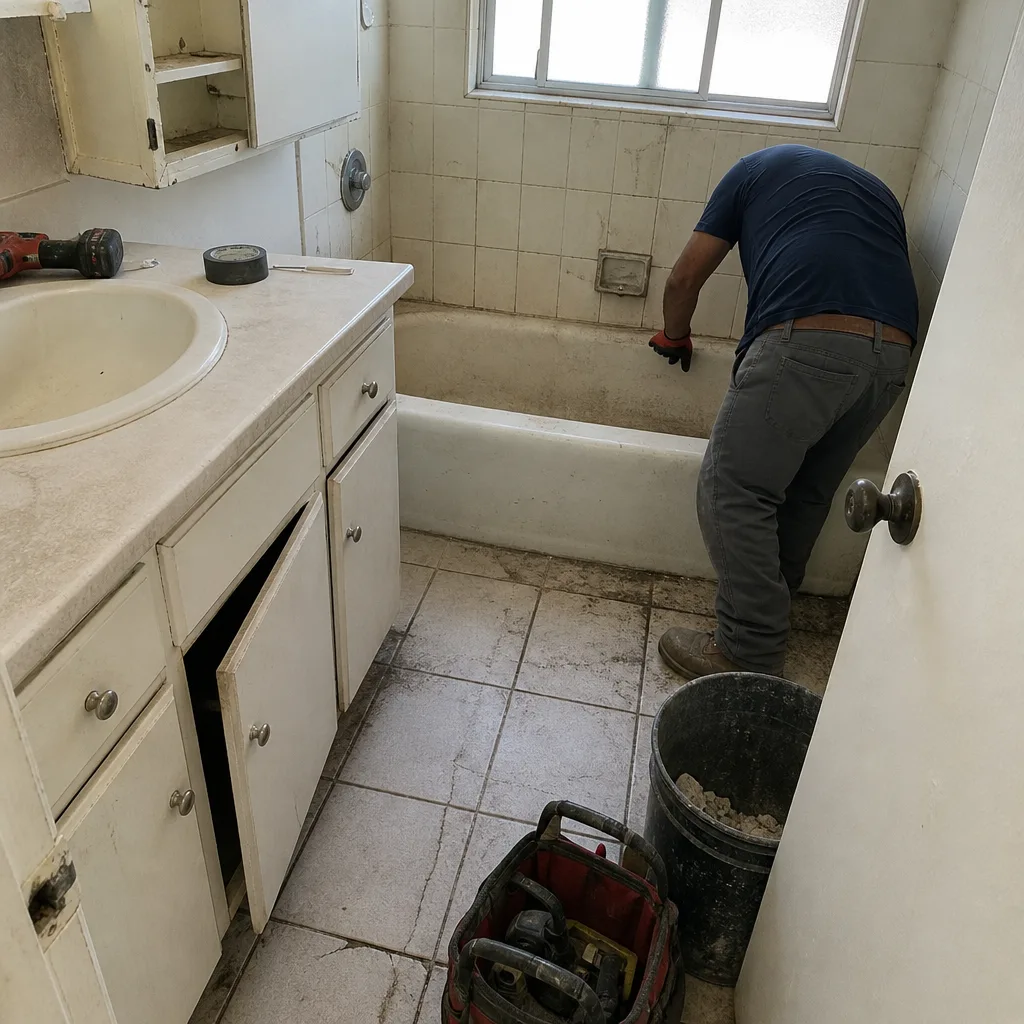 Before
 After
 Before
 After
When to Call a Professional
Call a professional when the symptom is structural rather than cosmetic: a door binding only in certain seasons, a floor that shows a measurable slope, a stair-step crack in masonry, daylight visible in the attic, a frame pulled away from drywall, or a soft spot under a bathroom tile. Any cracked wall corner or separated window frame that keeps coming back after a repair is a reason to call. The one thing you should not do is patch water damage in a wet room without opening up the surface to see what’s underneath. Even a suspected foundation problem deserves a look before you spend on cosmetic repair. Construction West Covina offers free estimates in West Covina and can walk a house from the roof down to the driveway, so a symptom that turns out to be two or three separate issues gets addressed in the right order. Call (844) 320-3099.
Frequently Asked Questions
Seasonal door binding and stair-step cracks in brick or block are usually the earliest signs of foundation movement in West Covina. Our expansive clay soil swells and shrinks with the seasons, and a house on it will show a door that sticks in the dry months and swings free in winter before any visible crack opens. Test any floor slope with a marble and watch which way it drifts. If you’re seeing one of these patterns, call (844) 320-3099 for a free estimate.
Small spiderweb cracks are usually a stucco mix or curing issue rather than structural. What matters is the shape and behaviour. A diagonal crack at a window corner that grows wider each summer points to framing movement, and re-stuccoing over it will not fix it. Call (844) 320-3099 to have the crack read in context before you patch it.
Heavy granule loss in gutter runs, combined with age and visible wear on the shingles, usually means the shingles are past their service life. A thin layer is normal; a thick, gritty pile points to the shingle surface breaking down. Call (844) 320-3099 for a free estimate – the answer depends on the shingle condition, attic ventilation, and flashing detail, not just the granules.
A hollow sound under a tile means the thin-set has released from the substrate, and the usual cause is a slow water leak under the surface. It is one of the clearest early signals of hidden water in a West Covina wet room. Call (844) 320-3099 for a free estimate before the tile wall or the adjacent room shows damage.
The price is set per job by the written estimate, and any hidden damage found after the wall or floor opens is discussed with you before the scope changes. The written line-item estimate is the number that counts. Call (844) 320-3099 for your free estimate.
Yes, and that matters when several symptoms trace back to one cause. A single contractor who sees the foundation, roof, windows, and hardscape can sequence the work so the underlying issue gets fixed before the visible surface does. Construction West Covina pulls permits on remodeling work and passes inspections, with one contract and one point of accountability across every scope. Call (844) 320-3099 for a free estimate.
If a portion of the house has taken on enough water damage or framing movement that repair stops being economical, adding square footage can be the better investment. Our home additions & ADU work covers traditional stick builds as well as prefab systems from Abodu, Dvele, and Mighty Buildings, so the timeline and budget fit the project. Call (844) 320-3099 to talk through the options.
The Bottom Line
The visible damage on a West Covina home is a symptom, and the underlying cause is what costs money to fix. Read the signals in order of what they mean: stair-step cracks and seasonal door binding point to foundation movement; granule loss, attic daylight, and blistering point to a roof past its life; window and door frame separation points to framing movement, not caulk; driveway edge lifting and joint sand washout point to base failure; and soft grout, baseboard staining, and swollen cabinet bottoms point to hidden water in wet rooms. If you see one, find the cause before you patch, and call in a contractor who can read the whole envelope at once. For a driveway & pavers project or a fence installation that addresses the drainage issues that caused the original symptom, that starts with one call. Construction West Covina offers free estimates, written line-item quotes, fixed pricing with no change orders, and permits pulled and inspections passed for remodeling work. Call (844) 320-3099 to schedule your free estimate. We answer 24/7. Fast dispatch from 7am to 7pm, Sunday through Friday.
Written by the team at Construction West Covina.