
Last updated November 17, 2026
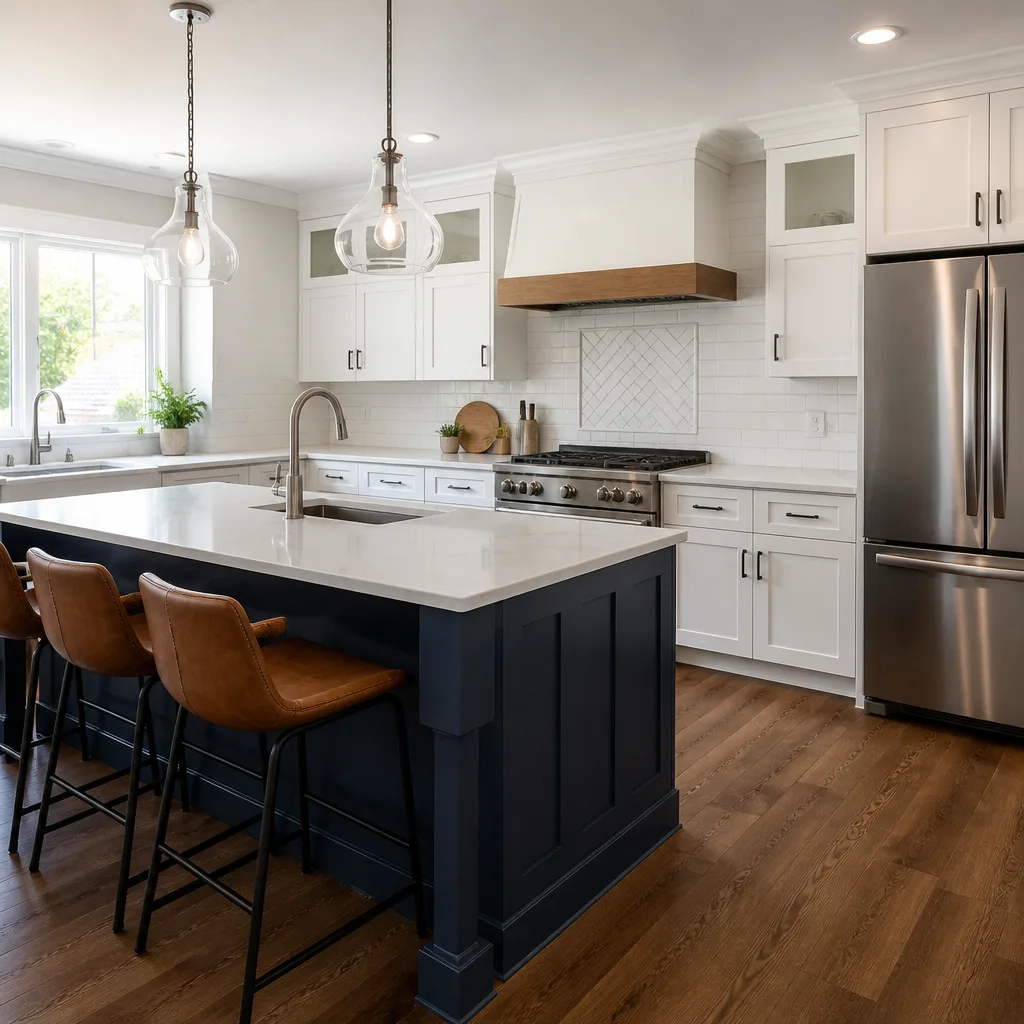 Kitchen remodeling
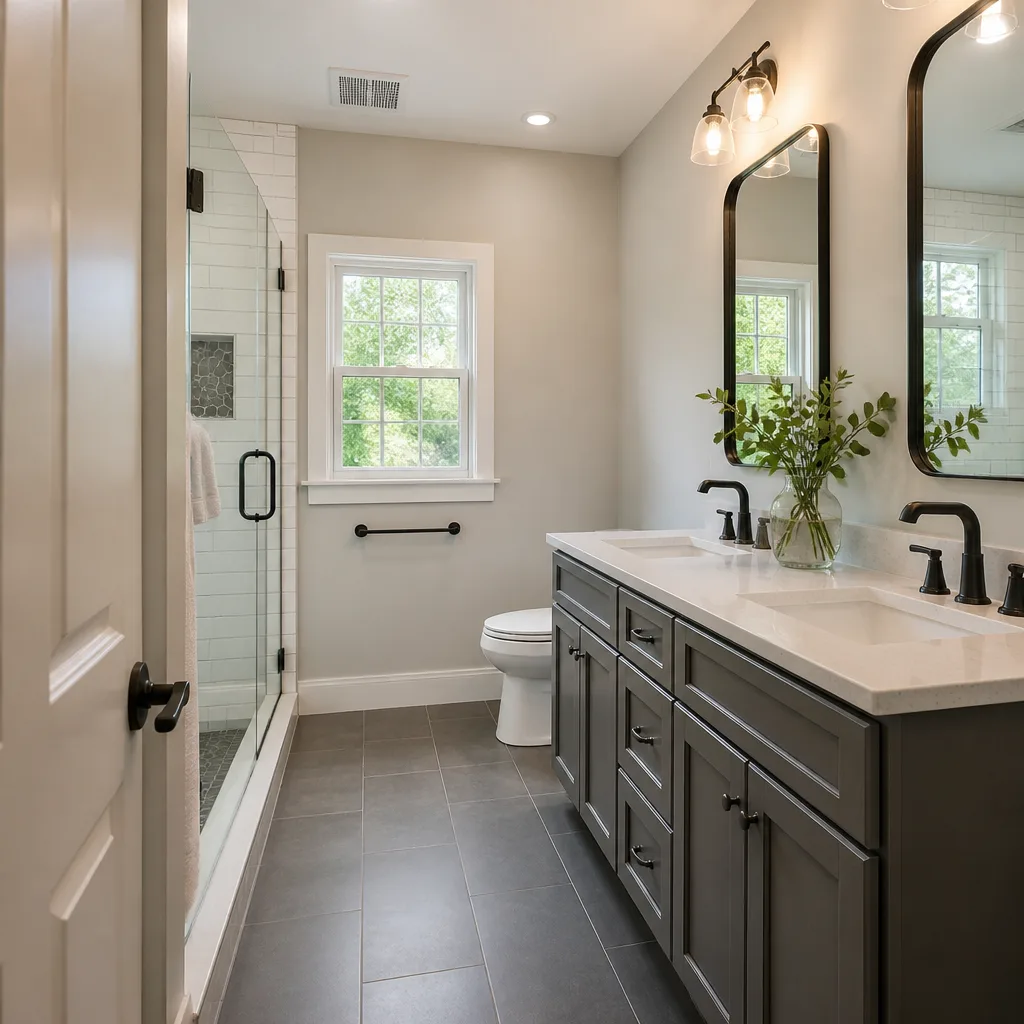 Bathroom remodeling
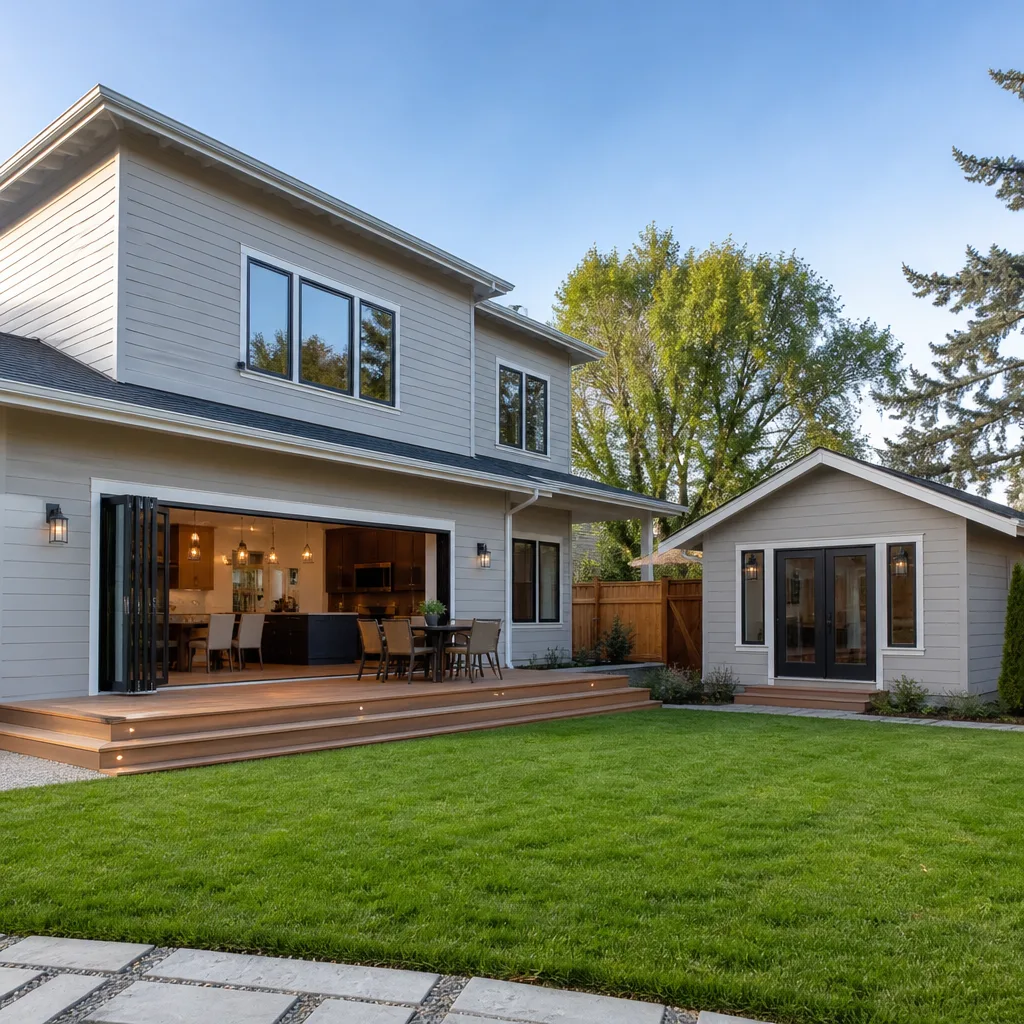 Home additions & ADU
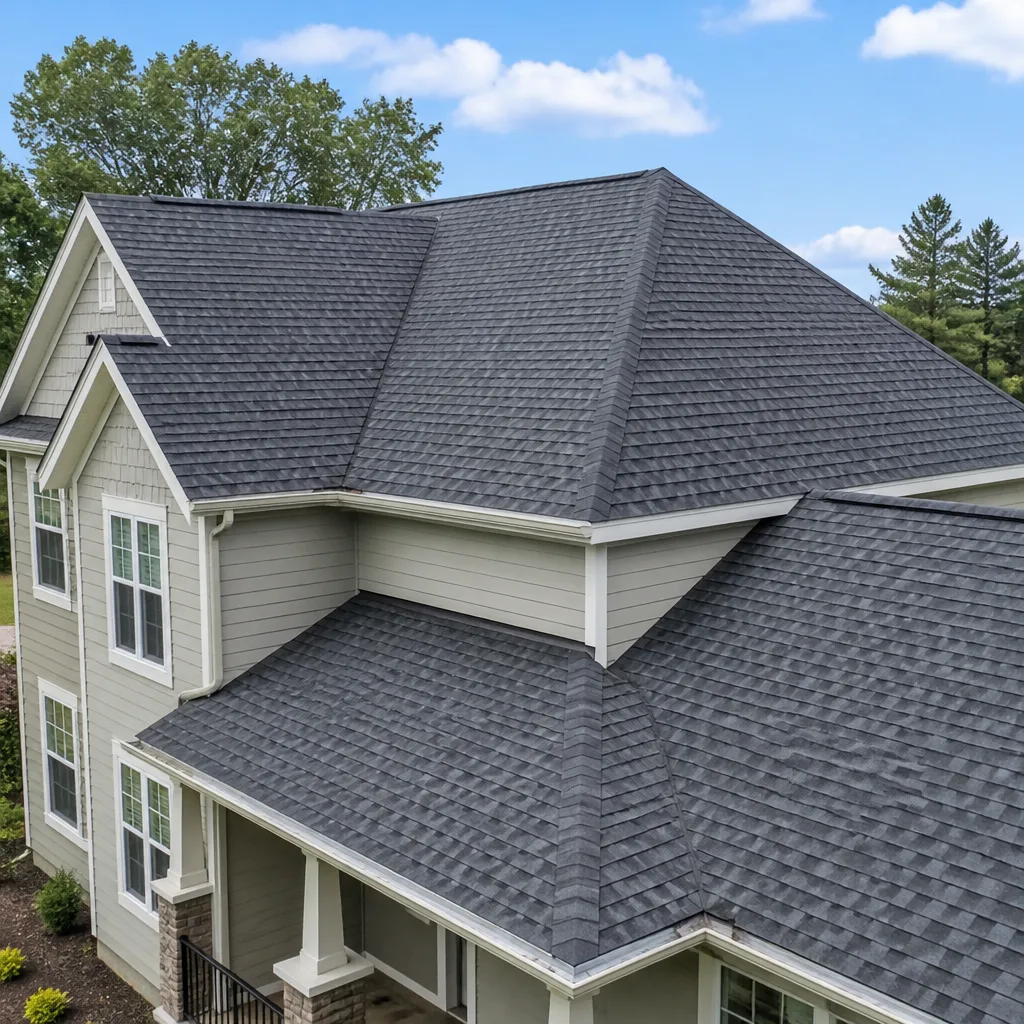 Roofing
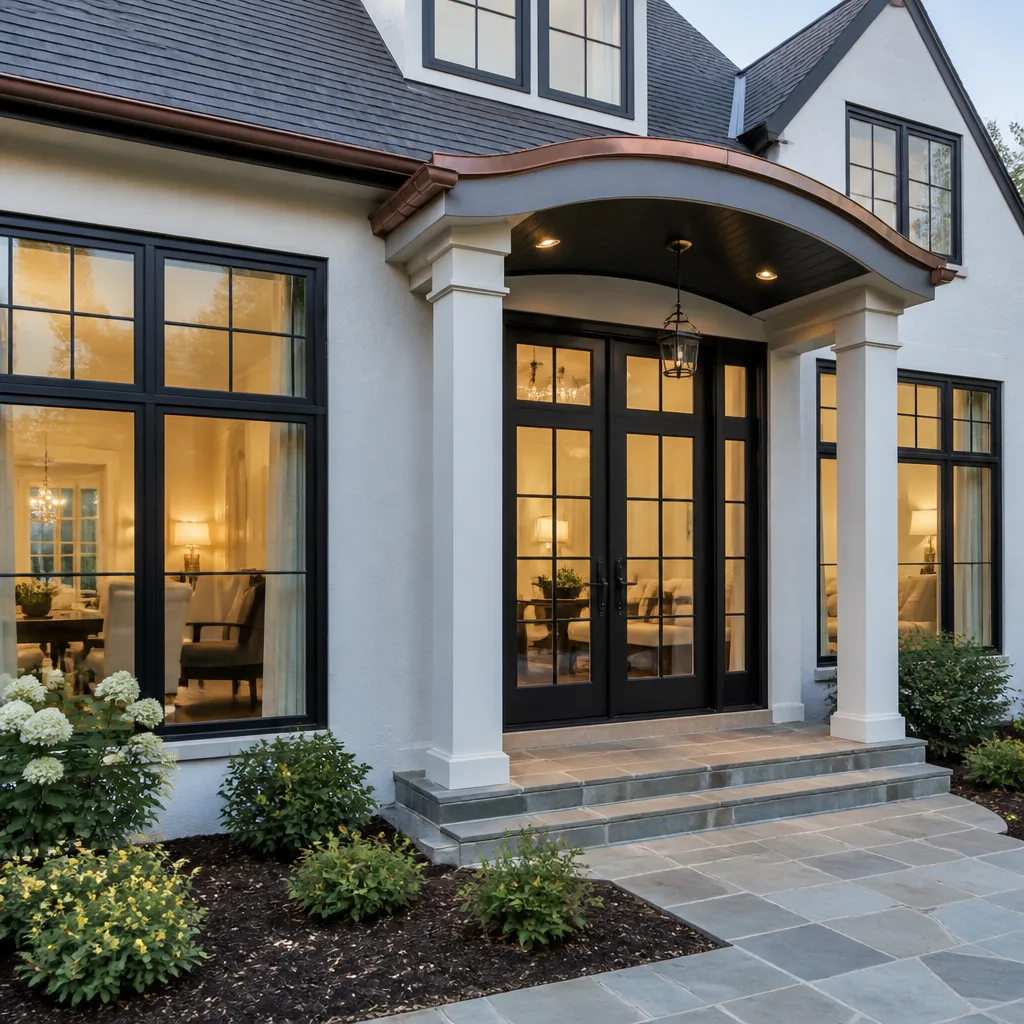 Windows & doors
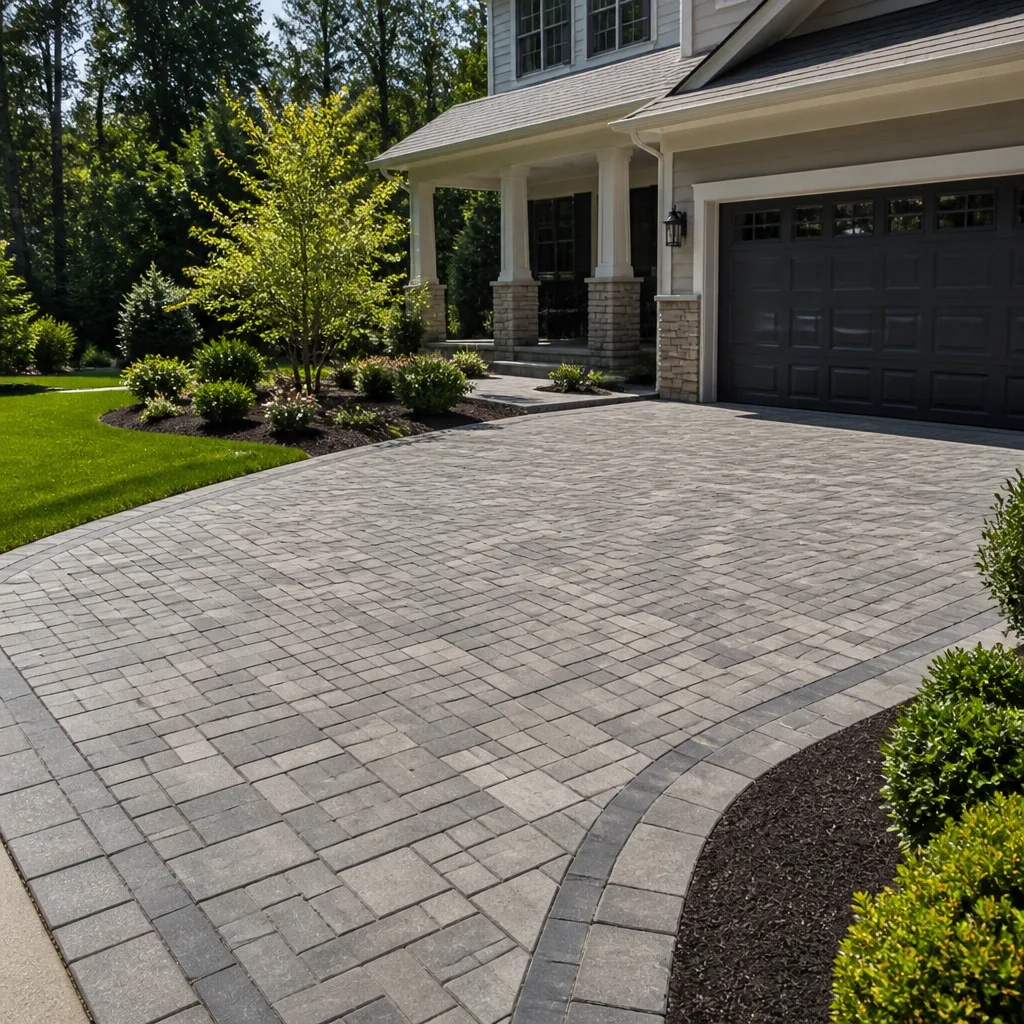 Driveway & pavers
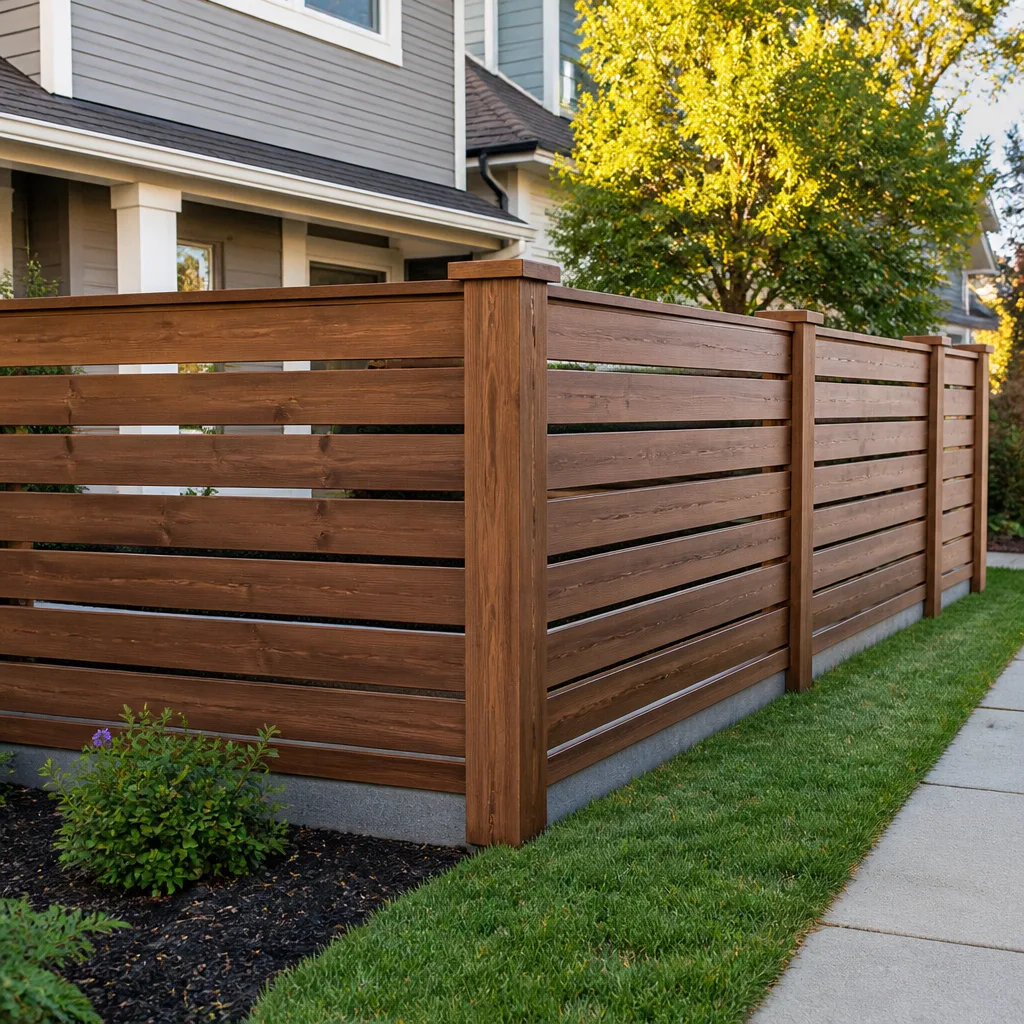 Fence
Free written scope consultation - allowances, timeline, and change-order rules on paper before a single trade is scheduled
Choosing the Right Construction Brand: A Buyer’s Guide for West Covina
A window brand engineered for Chicago winters and a window brand engineered for Inland Empire sun can carry nearly identical warranty language and still fail at completely different rates on a West Covina house. That’s the part most buyers miss. Brand selection in construction isn’t about prestige or which name looks best on a brochure. It’s about which products were tested against the stresses a West Covina home actually experiences: relentless UV, clay soil that swells and shrinks, low humidity that pulls at wood and finishes, and heat that cooks anything rated for a milder climate. This guide walks through how to read brands across roofing, windows, pavers, cabinets, and countertops so your investment holds up here, not somewhere else.
Quick Answer
The right construction brand for a West Covina home is the one whose product ratings match this climate: high UV exposure, expansive clay soil, low humidity, and long hot summers. That means Class A roofing with cool-roof compliance and strong UV warranties, fiberglass over vinyl for window frames, pavers and concrete specified with the right PSI grade and sealer chemistry, and cabinetry and stone finishes chosen for hard water and dry air. Prestige matters less than specification matched to place.
Styles & brands we work with
- Kitchen remodeling
- Bathroom remodeling
- Home additions & ADU
- Roofing
- Windows & doors
- Driveway & pavers
- Fence
Table of Contents
- Why Place Matters More Than Brand Reputation
- Roofing Brands in West Covina: Fire Rating, Cool-Roof Rules, and UV Aging
- Window and Door Materials: Why Fiberglass Beats Vinyl Here
- Pavers and Concrete: What PSI and Sealer Chemistry Actually Do
- Cabinets and Countertops in West Covina Kitchens and Baths
- How Contractor Buying Relationships Change What You Get
- A Step-by-Step Method for Picking Brands
Why Place Matters More Than Brand Reputation
Every building product on the market was tested somewhere. That somewhere is rarely West Covina. A shingle line developed for a Midwest climate is validated against freeze-thaw and hail. A siding product developed for the Pacific Northwest is validated against rain and moss. Neither is validated against what happens here: sun that hits roughly the same angle and intensity for most of the year, humidity that drops low enough to shrink framing and crack paint, and soil that moves as the wet and dry seasons trade places.
A brand can be excellent and still be wrong for this market. That’s why the first question to ask isn’t “Is this a good brand?” It’s “Is this brand’s product line specified for this climate stress?” Those are different questions, and they lead to different products.
Here’s what actually drives material failure in West Covina homes:
- UV degradation. Sun exposure breaks down polymers, fades finishes, and dries out sealants. It’s the dominant failure mode for plastics and coatings here.
- Clay soil movement. The wet and dry seasons cause expansive clay to swell and shrink, which cracks driveways, shifts pavers, and stresses foundations and fence posts.
- Low-humidity thermal cycling. Dry air plus heat swings wood, cabinets, and doors through daily expansion and contraction. Finishes that expected coastal moisture behave differently.
- Hard water. Mineral-heavy water leaves deposits on fixtures and glass, and it stresses every faucet and finish in the house over years.
Brand selection is really climate selection. Hold that lens through every category below. It’s also the lens we use when we help homeowners pick materials for their homes. If you want the full picture of what a single-source contractor covers, start with Construction West Covina.
Roofing Brands in West Covina: Fire Rating, Cool-Roof Rules, and UV Aging
Roofing selection in West Covina is a three-way negotiation between fire rating, energy compliance, and UV aging, and most homeowners only hear about one of the three. California’s building energy standards require cool-roof products on many reroofs and new roofs, meaning the product’s reflectance and thermal emittance must meet a threshold. That requirement narrows your choices before brand preference even enters the picture, so it’s the first filter to apply.
The second filter is fire rating. Class A is the top rating for resistance to fire from the outside, and in a region where dry vegetation and wind-driven embers are a real consideration, it’s not a marketing line. Confirm the rating on the actual product specification sheet, not the brand’s general advertising.
The third filter is UV aging, and this is where the best-known names separate. Look for lines sold specifically for hot, high-UV climates, with explicit warranty language covering color fade and granule loss from sun exposure. Three of the most widely warranted roofing brands in North America – GAF, CertainTecd, and Owens Corning – publish those climate-specific lines and let you compare actual reflectance numbers rather than marketing terms.
Tile and shingle are both defensible choices here, but they age differently:
- Concrete and clay tile holds color and resists UV extremely well. It’s heavy, and proper installation matters more than the brand name on the box.
- Asphalt shingles perform well when you specify a cool-rated, UV-tested architectural line rather than a builder-grade product. Cheap shingles are where the fade complaints come from.
The brand matters less than whether the product line carries the right rating pairing for your roof. Always read the actual data sheet, because a manufacturer’s flagship line for one region may not be the one sold for this one.
Window and Door Materials: Why Fiberglass Beats Vinyl Here
Fiberglass window frames outperform vinyl in West Covina over the long term, and the reason is UV, not insulation. Vinyl (PVC) is a plastic, and plastic degrades under constant sun. Fiberglass frames hold their dimensions and resist UV far better, which is why they hold up in a market where UV is the dominant enemy. A vinyl window can carry a lifetime warranty and still need replacing eventually because of sun-driven degradation rather than thermal failure. That’s the trap homeowners fall into.
Here’s how to compare frame materials in this climate:
- Fiberglass: Strongest UV resistance among standard frame materials, holds its shape in heat, minimal expansion and contraction. The safest long-term choice for sun-facing elevations.
- Vinyl: Good thermal performance, but UV is its weak point. Look for lines explicitly rated for high sun exposure and read the warranty exclusions carefully.
- Aluminum: Durable and dimensionally stable, but can conduct heat unless the frame is thermally broken.
- Wood: Attractive, but the low-humidity cycling here stresses it more than a coastal market, so finish maintenance becomes a real annual commitment.
Warranty exclusions are where brand differences get real. Read the fine print on what’s excluded for sun exposure, fade, and haze. Some brands explicitly limit claims for discoloration from UV, which tells you exactly how the manufacturer expects the product to age in this kind of climate. A strong warranty covers what actually fails here.
Impact and energy-rated product lines from makers like PGT, CGI, and ECO Window Systems, along with doors from Therma-Tru and ViewLux, let you match frame material and glazing to the exposure of a specific elevation. The sun-facing side of a house may justify a different frame than the shaded side. That’s a project-specific choice, not a one-size-fits-all pick. When siding is part of the same job, James Hardie exterior products are the natural pairing.
Pavers and Concrete: What PSI and Sealer Chemistry Actually Do
For pavers and concrete in West Covina, two numbers matter more than any brand name: the product’s compressive strength rating and the sealer chemistry used on top of it. Compressive strength is expressed in PSI, and higher-rated pavers resist the pressure of vehicles and the movement of expansive clay soil far better than builder-grade product. For a driveway, that means requesting a high-PSI paver line as a baseline, not an upgrade. The brand is secondary to whether the line meets that floor.
The clay-soil factor is the local twist. When the ground swells during the wet season and shrinks during the dry season, a rigid, thin base layer cracks and a flexible one shifts. That’s a design and base-prep problem more than a paver problem, but the paver and sealer still need to tolerate that movement without spalling or cracking. Brands that publish a strength rating and a matching sealer system are giving you the data to check the install against.
Sealer chemistry is the underrated half. A penetrating sealer that reads UV-stable resists sun and hard-water staining better than a film-forming one that chalks and peels after a few seasons of exposure. Ask specifically what the sealer is rated for: sun stability, water repellency, and color fastness.
Hardscape lines from Belgard, Unilock, Techo-Bloc, Cambridge, and Tremron give you a range of strength, color, and format options so you can match product to the actual traffic and sun exposure. For the full approach to a driveway or patio project, see our page on driveway & pavers. The same soil movement that stresses pavers affects fence posts, which is why fence installation here relies on manufacturer-backed post systems from names like Barrette, Master Halco, and Ameristar.
Cabinets and Countertops in West Covina Kitchens and Baths
West Covina’s hard water and low humidity each stress kitchen and bathroom finishes in ways coastal California markets don’t, and most cabinetry and countertop brands were designed with a milder stress profile in mind. Dry air pulls at wood and painted finishes through daily expansion cycles, which means doors and drawers that bind or crack over time if the finish system wasn’t built for it. Hard water leaves mineral deposits on faucets, glass, and stone that etch and cloud surfaces over years.
Here’s what to weight when selecting brands for a West Covina kitchen or bath:
- Cabinet finish systems: Look for lines with a sealed, low-permeability finish rated for dry climates, since the air here will challenge anything that relies on ambient humidity to stay stable.
- Quartz countertops: Non-porous quartz resists hard-water spotting and staining better than natural stone. Lines like Cambria, Caesarstone, and Silestone publish specific stain and UV resistance data.
- Plumbing finishes: Brands like Kohler, Toto, and Grohe publish finish warranties that spell out what hard water is expected to do to a fixture. Read the exclusions.
Cabinet sourcing is where brand roster depth pays off. Designer-grade lines like KraftMaid and Wellborn offer multiple construction and finish tiers, so you can specify the finish that actually suits the humidity here instead of taking the only option a single supplier offers. Countertops follow the same logic: quartz from Cambria, Caesarstone, or Silestone gives you stain and UV ratings to compare against, so the choice is a specification decision, not a color decision.
The same climate logic applies to the rest of the room. If you’re adding square footage before remodeling inside, our home additions & ADU page covers how additions and ADUs are planned for this region.
How Contractor Buying Relationships Change What You Get
The brand you choose on paper and the product that arrives on your job can be two different things if the installer doesn’t have a relationship with the manufacturer. A full-service contractor with established manufacturer relationships gets accurate specification data, better availability of the exact line you selected, and far more useful warranty support when something needs a claim. A homeowner sourcing materials independently at retail often gets a similar-looking but differently specified product, and a weaker path to a warranty claim if it fails.
Here’s what those relationships mean in practice:
- Specification accuracy. The contractor gets the current data sheet for the product line, not a retail copy that may lag behind a manufacturer update.
- Availability. The exact color, size, and grade you specified is more likely to be sourced than a substitute the retailer happens to have on the shelf.
- Warranty support. Claims run through the manufacturer’s contractor channel, which is generally smoother than a retail warranty claim.
- Multiple options at different price and performance points. A broad brand roster means you compare real choices instead of taking the only product a single supplier offers.
A broad portfolio also lets a homeowner choose the right performance tier for each part of the home: a higher-UV-rated window for the sun-facing wall, a high-PSI paver for the driveway, and a mid-tier finish where the sun doesn’t reach. That’s a level of specification you can’t easily get by buying at retail. For additions and ADUs, we work across both traditional stick-built approaches and next-generation options like Abodu, Dvele, Mighty Buildings, and Boxabl, giving you a spectrum of timelines and budgets to compare. Our technicians have up to 10 years of experience working through these decisions with homeowners.
One more point on scope: when one contractor handles the roof, windows, driveway, and interior, there’s one specification standard across the whole home and no hand-offs between trades where products get mismatched. That single-source scope is what “one contractor from the curb to the kitchen” actually means. It’s also why brand availability differs from what you’d get from separate specialty shops.
A Step-by-Step Method for Picking Brands
Use this sequence on any West Covina project to keep brand choices tied to performance rather than marketing:
- Name the local stress first. For each material, list the dominant local failure mode: UV for windows and roofing, clay movement for pavers, hard water and dry air for cabinets and fixtures.
- Filter by the local requirement. For roofing, that’s Class A plus the cool-roof compliance and a UV-tested product line. For windows, that’s UV-rated frame materials with a warranty that covers sun exposure.
- Compare product data, not brand names. Pull the actual specification sheet for the specific line offered, not the brand’s general advertising page.
- Read the warranty exclusions. Look specifically for what’s excluded for UV, fade, hard water, and climate-specific aging. That’s the manufacturer telling you how the product will age here.
- Match the tier to the exposure. Spend the performance budget on the sun-facing, high-traffic, or high-use parts of the home and standard tier where the stress is lower.
- Confirm installation standards. The best-specified product fails on a weak base, an unvented roof deck, or an improperly set frame. Installation standards carry equal weight to brand selection.
- Get everything in writing. A written estimate should name the exact product line, the rating, and the finish so there’s no substitution once work begins.
Work through these seven steps on every category and you’ll converge on a short list of brands that make sense for the actual climate stress on your home. That’s the whole game.
Common Mistakes to Avoid
- Buying on brand reputation alone. A well-regarded name can still sell a product line specified for a region with different stress. Always check the data sheet for the specific line, not the brand’s reputation.
- Ignoring UV in the material selection. In West Covina, sun exposure drives failures that thermal ratings won’t detect. Buy for UV resistance first.
- Assuming a lifetime warranty covers everything. Many cabinetry, window, and fixture warranties exclude fade and sun-driven discoloration. Read the exclusions before you sign.
- Specifying a builder-grade paver for a driveway. A low-PSI paver is the fastest route to a cracked driveway in clay-expansion soil. Request a high-PSI product line as the baseline.
- Skipping the finish tier on cabinetry. Dry, low-humidity air stresses unfinished or lightly finished wood harder than a coastal market would. Specify the finish system with the climate in mind.
- Sourcing materials at retail without a specification. Retail products can look identical and still be differently specified. A contractor relationship gets you the actual line you chose.
- Letting the brand decision and installation standard get separated. A great product installed wrong fails. Keep spec, brand, and install standard as one decision.
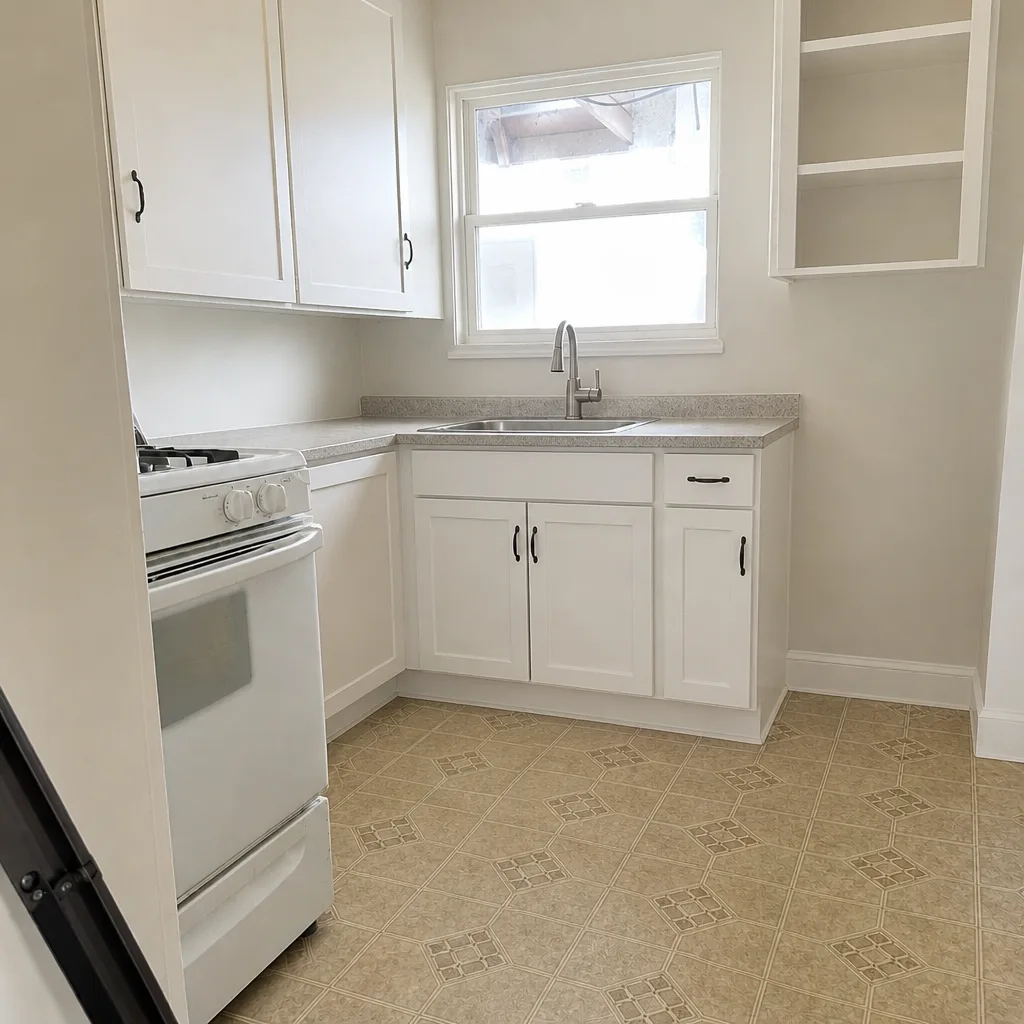
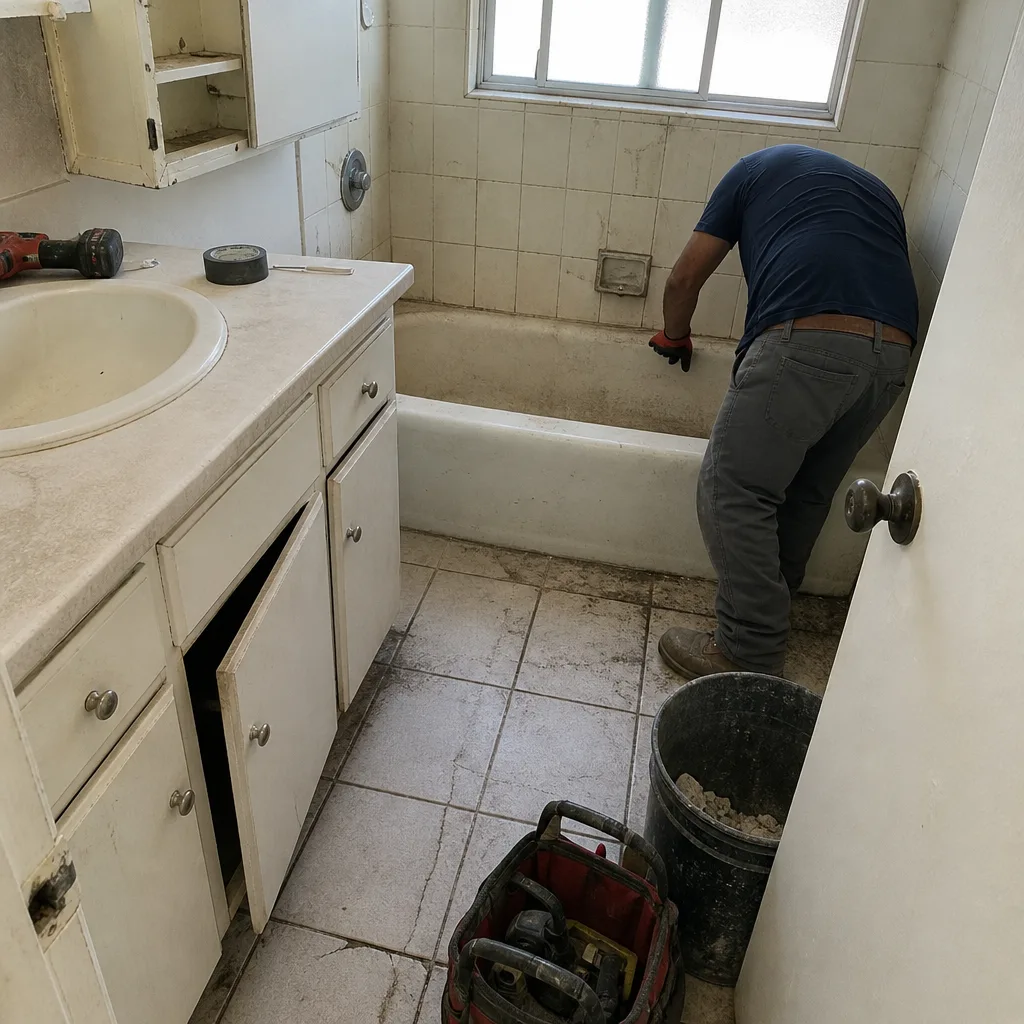
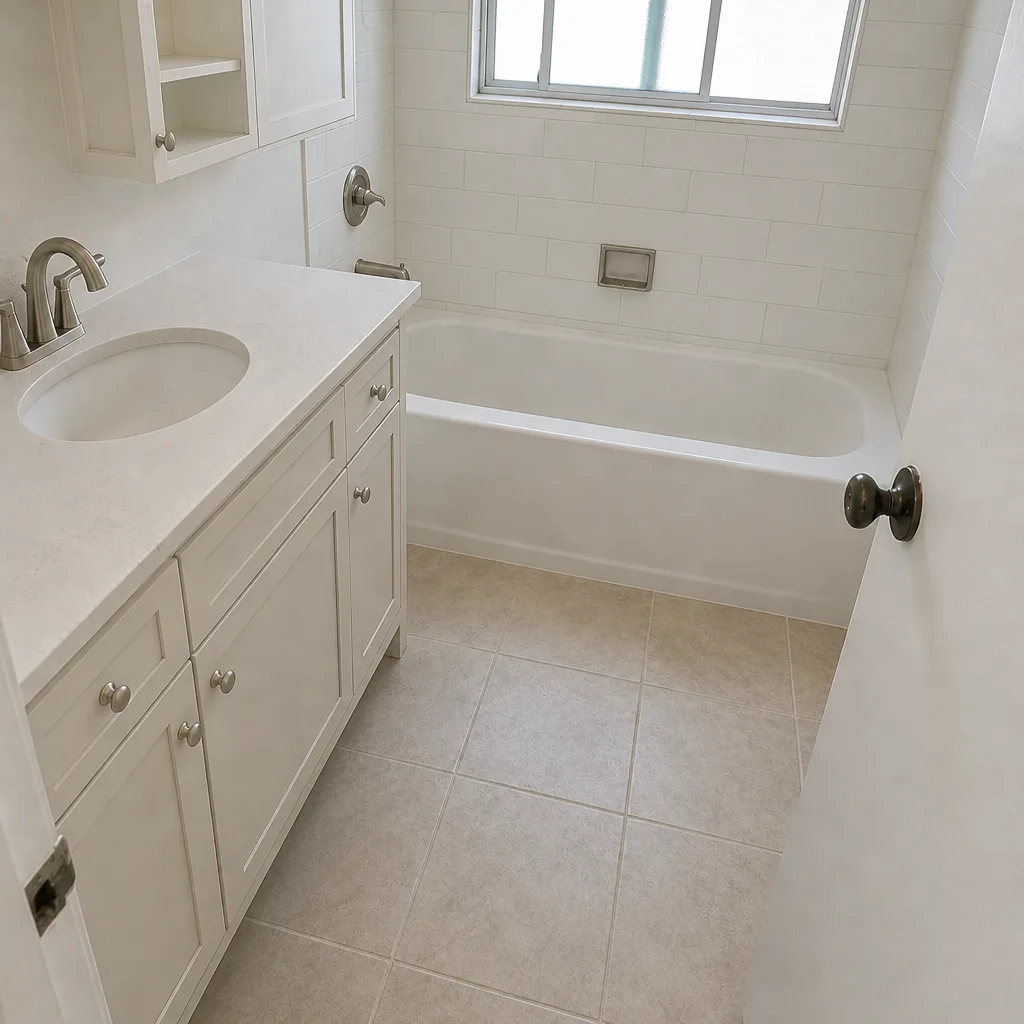
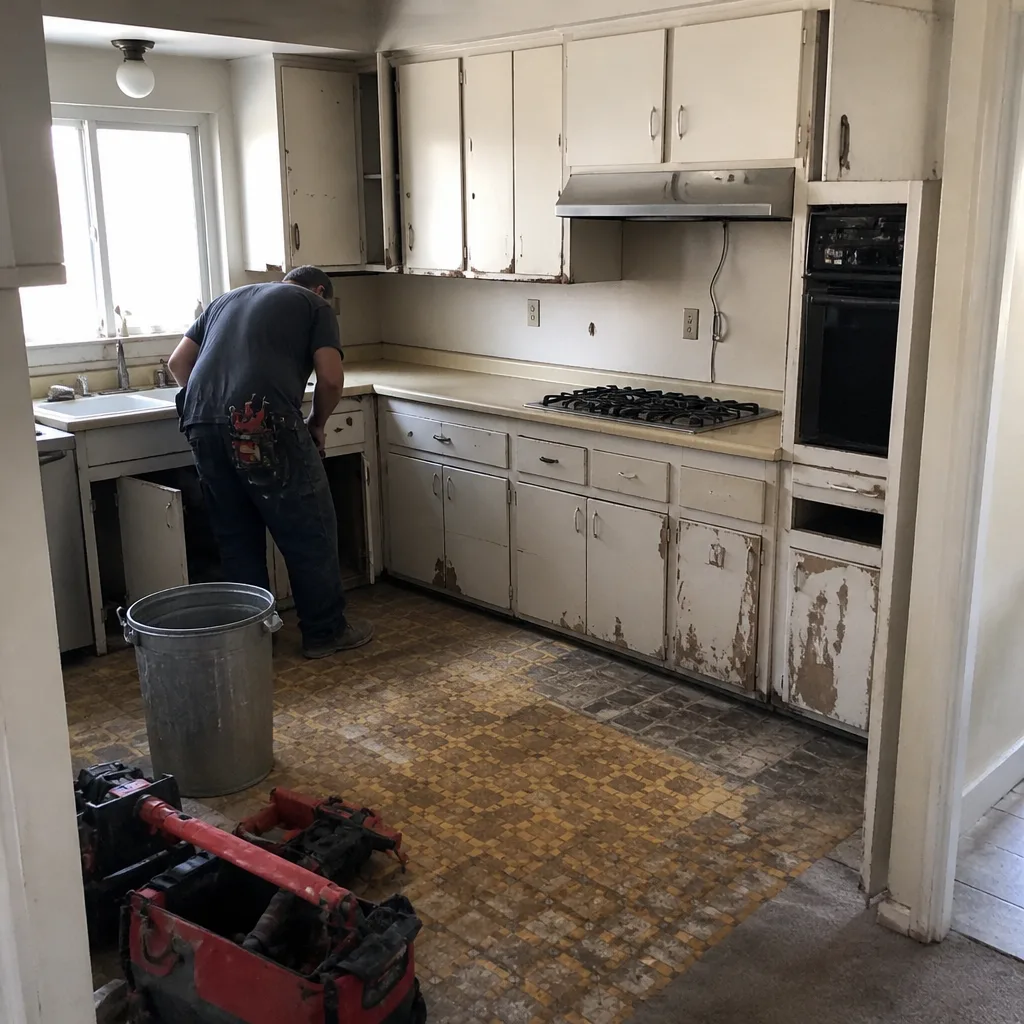
See the difference
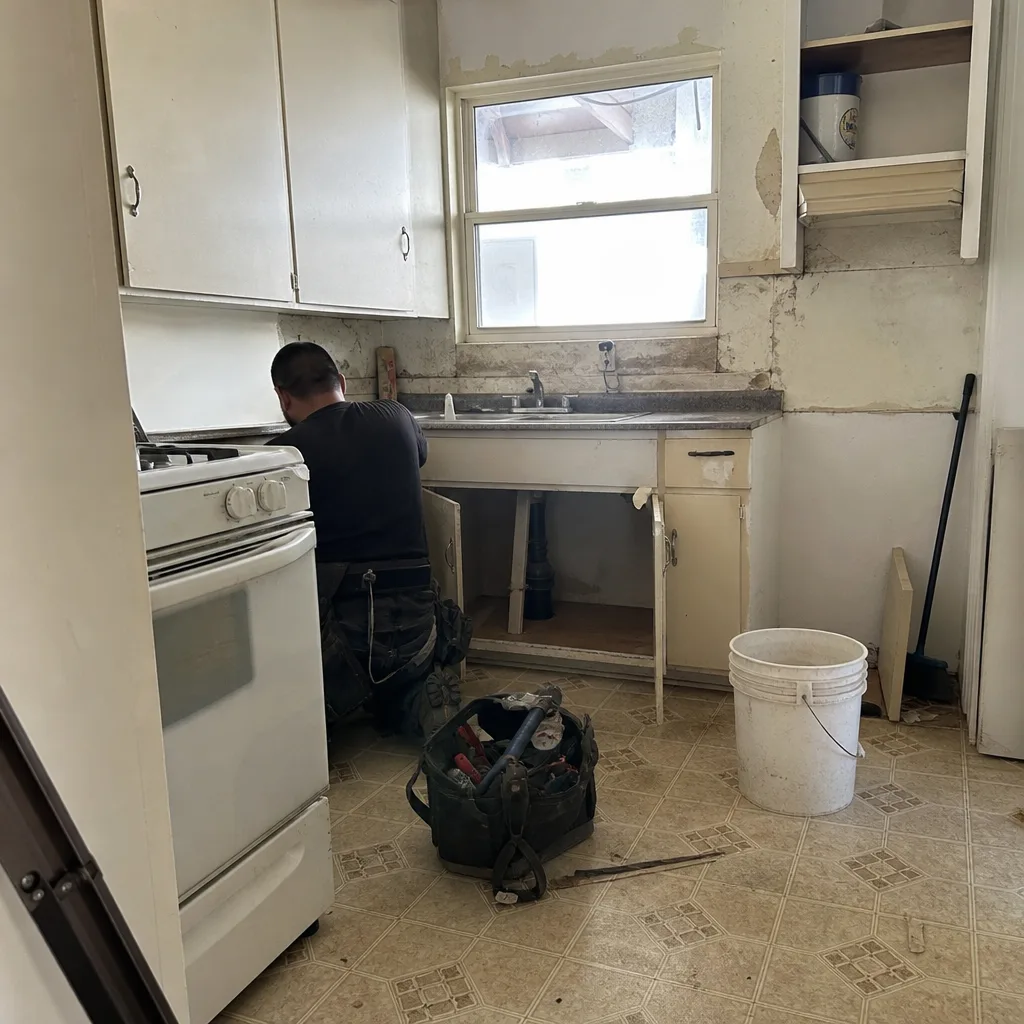 Before
 After
 Before
 After
 Before
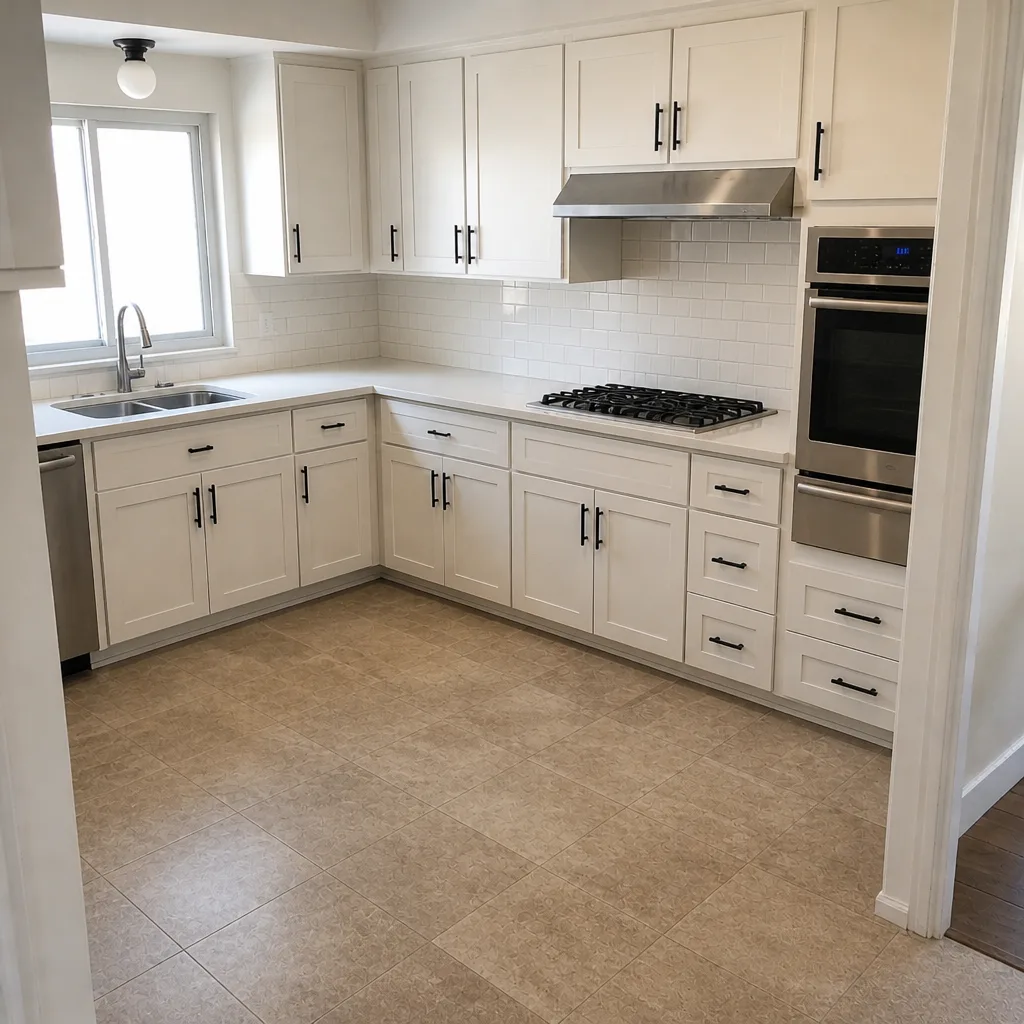 After
When to Call a Professional
Some brand decisions carry real consequences if they go wrong. When you’re replacing a roof, anything involving fire ratings and cool-roof compliance is worth a call. When you’re choosing window frames for a sun-facing elevation, the material choice determines decades of performance. When you’re specifying a paver over expansive clay soil, base design matters as much as the paver. When you’re selecting cabinetry, countertops, and plumbing finishes, hard water and dry air make finish choice a real specialization. And when you’re planning an addition or ADU, the product decisions multiply across structure, envelope, and interior. These are the moments to bring in a contractor who can present the actual product lines and compare them for your home.
Construction West Covina offers free estimates in West Covina. Call (844) 320-3099 to schedule yours. We answer 24/7. Fast dispatch from 7am to 7pm, Sunday through Friday.
Frequently Asked Questions
The best brands for West Covina are the ones whose specific product lines are rated for high UV exposure, expansive clay soil, low humidity, and hard water. Choose a Class A, cool-roof-compliant roofing line, fiberglass window frames over standard vinyl, high-PSI pavers with a UV-stable sealer, and cabinetry finishes and quartz countertops with strong stain and UV ratings. The specific product line matters more than the overall brand reputation. Call (844) 320-3099 for an exact quote; estimates are free.
Yes, fiberglass generally outperforms vinyl over the long term in West Covina because it resists UV degradation better. Vinyl is a plastic and degrades under constant sun, which means a lifetime warranty can still end in replacement. Fiberglass holds its shape and dimensions through heat and sun with minimal maintenance. The trade-off is usually cost, so match the frame material to the exposure of each elevation. Call (844) 320-3099 for an exact quote; estimates are free.
Request a high-PSI paver line for any West Covina driveway, because expansive clay soil and vehicle traffic both stress the surface. The exact number depends on the product line, so ask for the manufacturer’s published compressive strength rating and confirm it against the traffic the driveway will see. Sealer chemistry matters just as much as the PSI rating; choose a UV-stable sealer for sun resistance and hard-water protection. Call (844) 320-3099 for an exact quote; estimates are free.
West Covina’s hard water and low-humidity air stress cabinet and countertop finishes in different ways than coastal markets do. Dry air cycles wood and paint through daily expansion and contraction, and mineral-heavy water leaves deposits that etch and cloud surfaces. That means a finish system and a countertop rated for dry climates and hard-water resistance matter more here than a brand’s general reputation.
Often not the exact line, and rarely with the same specification accuracy or warranty support. Retail products can look identical to the contractor-sourced version while being differently specified. A contractor relationship gets you the current data sheet, the exact grade, and a stronger path for a warranty claim. If you’re specifying carefully, that difference matters. Call (844) 320-3099 for an exact quote; estimates are free.
We offer a broad brand roster across every home category: roofing, windows and doors, siding, cabinets, countertops, plumbing fixtures, fencing, and pavers. That means one contractor can present multiple brands at different price and performance points for each part of a project, so the choice is a specification decision rather than a single-supplier constraint. Call (844) 320-3099 to schedule your free estimate.
The Bottom Line
The right construction brand for a West Covina home is the one whose specific product line matches the local stress: UV above all, then clay soil movement, low humidity, and hard water. Read the data sheet for the actual line, not the brand’s reputation, and read the warranty exclusions to learn how the manufacturer expects the product to age here. Weight fiberglass over vinyl for windows, high-PSI pavers with UV-stable sealer for hardscape, and finish systems with climate ratings for cabinetry and stone. A single-source contractor with a broad brand roster lets you specify the right product tier for each part of the home, from the roof down to the kitchen. That’s how you build something that lasts here.
Call (844) 320-3099 to schedule your free estimate. We answer 24/7. Fast dispatch from 7am to 7pm, Sunday through Friday. Every price is set per job by a written estimate, and we pull permits and pass inspections on the work we do.
Written by the team at Construction West Covina.