
Last updated November 17, 2026
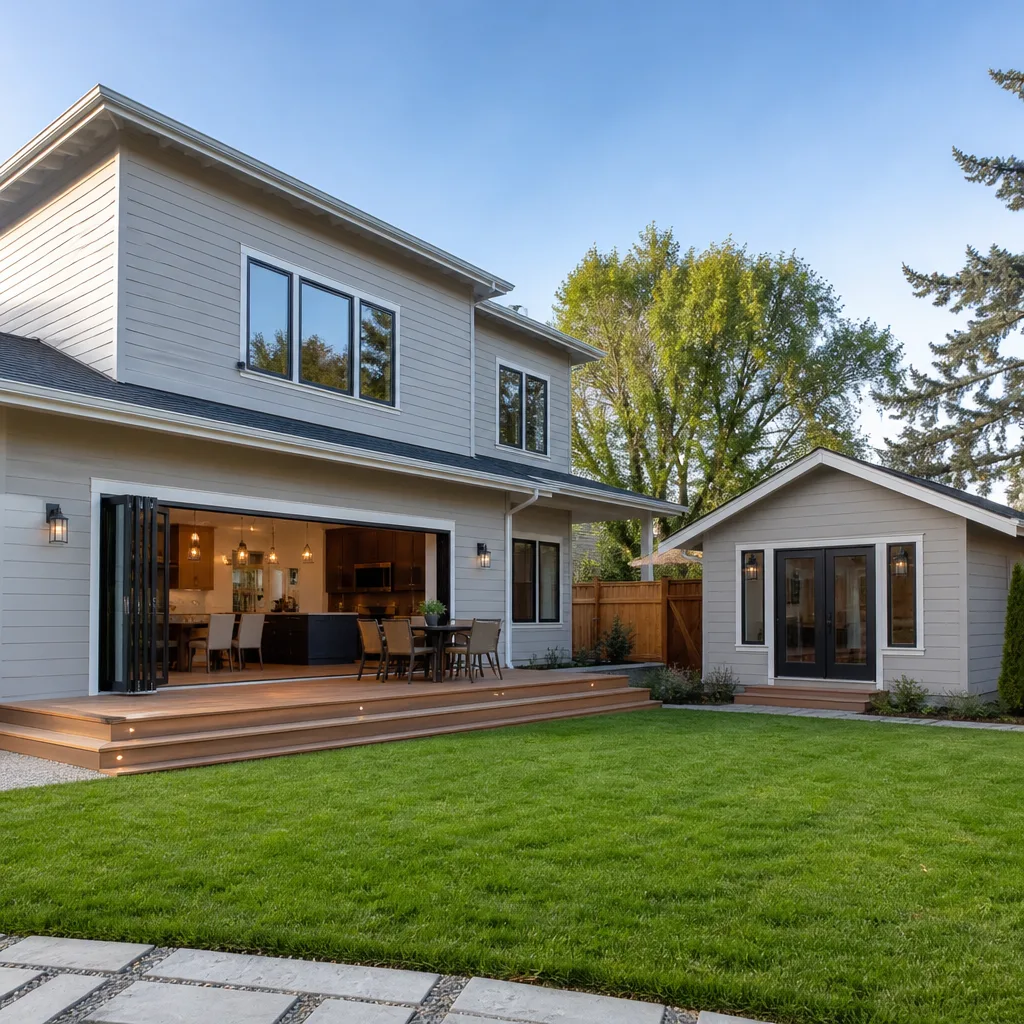 Home additions & ADU
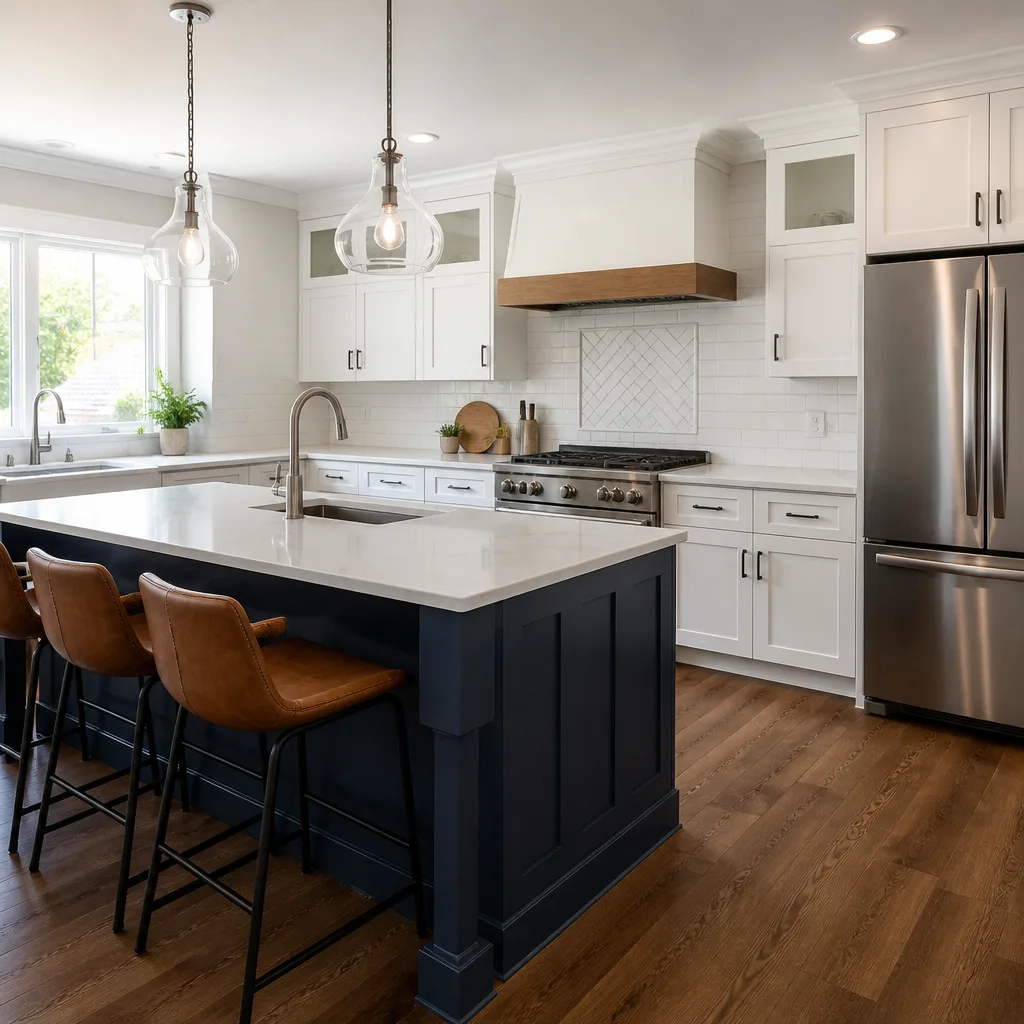 Kitchen remodeling
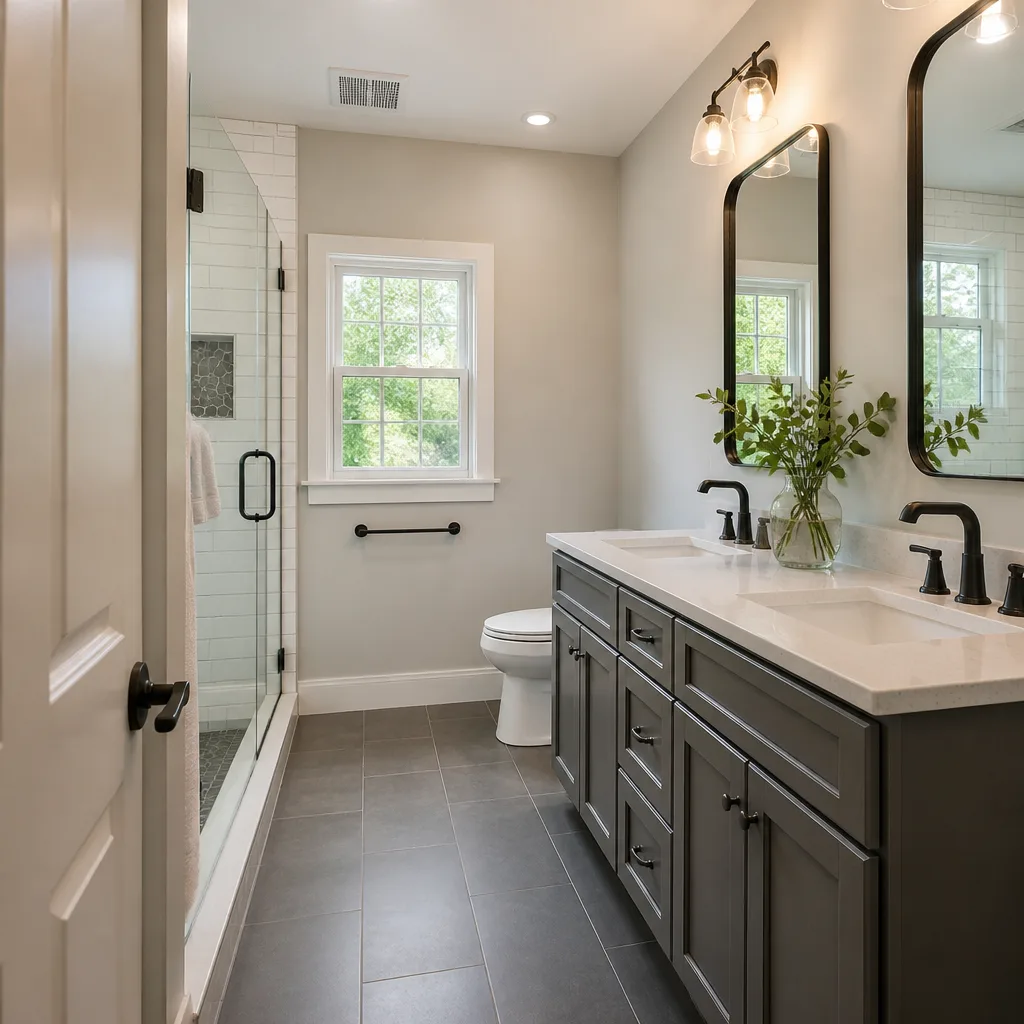 Bathroom remodeling
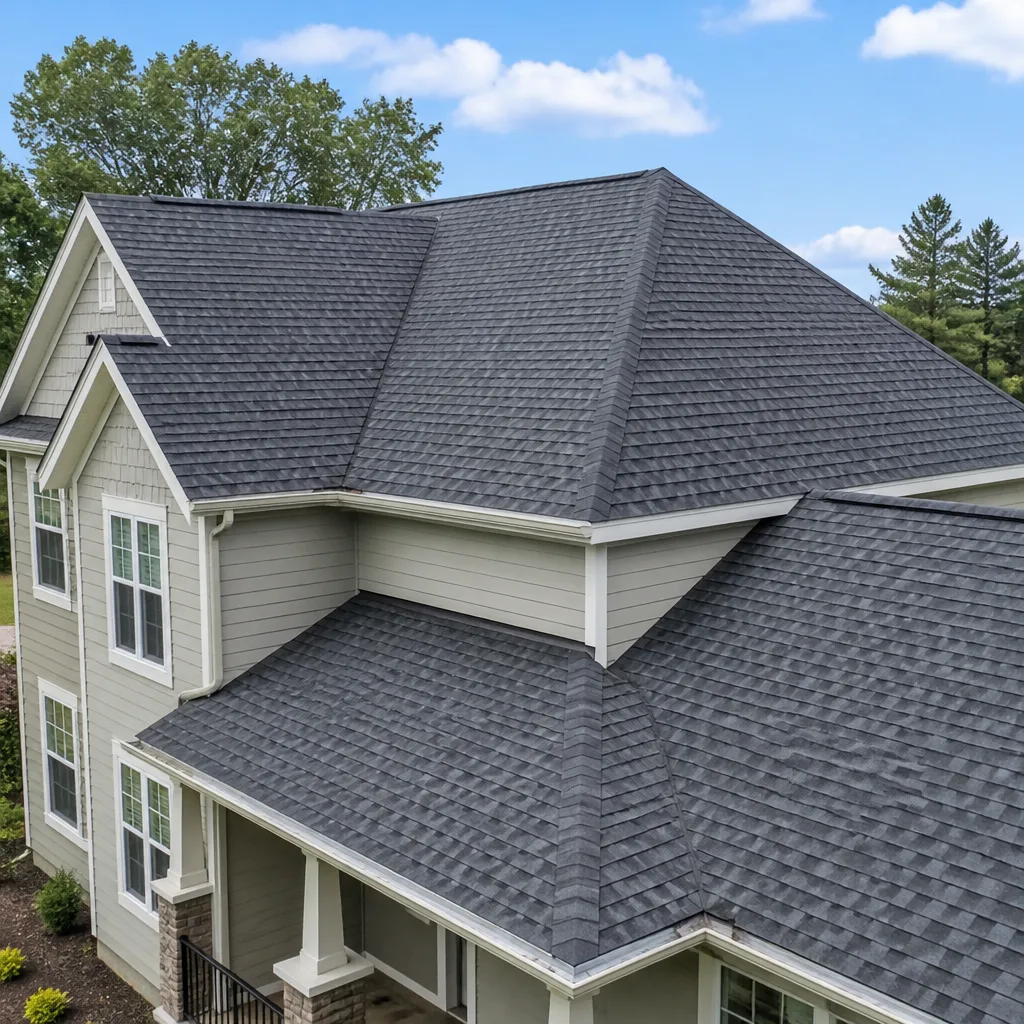 Roofing
 Windows & doors
 Driveway & pavers
 Fence
Free written scope consultation - allowances, timeline, and change-order rules on paper before a single trade is scheduled
DIY vs Professional Construction: The West Covina Homeowner’s Decision Guide
Most homeowners in West Covina who get into trouble on a project don’t get there because they lack skill. They get there because of paperwork. A homeowner can install a tile backsplash with real craft and still be fine. That same homeowner can wire a subpanel, pass their own inspection knowledge test, and still create a condition that complicates an insurance claim and comes back to haunt the sale of the house ten years later. The permit trail matters more than the craftsmanship in California, and that’s the part DIY guides skip. This guide walks through which projects are genuinely DIY-viable in West Covina, which carry permit and inspection exposure, how the California Owner-Builder pathway actually works, and where doing your own prep work can legitimately lower a professional bid without putting you on the wrong side of a building inspector.
Quick Answer
In West Covina, cosmetic work like painting, landscaping, and minor tile is genuinely DIY-viable. Anything that touches structural framing, electrical service, gas lines, roofing, or the building envelope should go through a licensed contractor because it triggers permit and inspection requirements under California building code, and unpermitted work can affect insurance coverage and must be disclosed at resale. The owner-builder permit pathway lets you legally act as your own contractor on some projects, but it shifts all liability, inspection responsibility, and disclosure duty onto you.
Styles & brands we work with
- Kitchen remodeling
- Bathroom remodeling
- Home additions & ADU
- Roofing
- Windows & doors
- Driveway & pavers
- Fence
Table of Contents
- What the DIY vs. Professional Question Is Really About
- The California Owner-Builder Permit: What It Legally Allows
- Which Projects Are Genuinely DIY-Viable in West Covina?
- Which Projects Carry Permit and Inspection Requirements?
- How Unpermitted Work Affects Homeowner’s Insurance in California
- The Hidden Labor Cost of DIY: Realistic Timelines
- Where DIY Prep Work Legitimately Lowers a Professional Bid
- The Resale Reckoning: Disclosure and Correction Orders
What the DIY vs. Professional Question Is Really About
The decision most homeowners think they’re making is about skill and money. What they’re actually making is a decision about risk transfer. When you hire a licensed contractor in West Covina, the contractor carries the permit, the inspection relationship, the liability, and the workmanship obligation. When you do the work yourself, you carry all of it, and it doesn’t expire when the job is finished. It follows the house.
There’s a reason this matters more in California than in most states. California’s disclosure requirements mean that unpermitted work performed at any point in a home’s history has to be disclosed at every subsequent sale. Lenders can decline to finance a home with significant unpermitted improvements. Insurers can pay a claim and then non-renew the policy once they discover the work. And cities, including West Covina, can issue correction orders years after the fact if the work is discovered during a sale inspection, an insurance inspection, or a complaint-based code enforcement visit.
A realistic framing: the DIY question is really three questions stacked on top of each other.
- Skill question: can you physically execute this work at a standard that won’t fail or degrade?
- Legal question: does the work require a permit, plan check, or inspection sign-off? If yes, do you want to be the one who carries it?
- Liability question: if the work fails in ten years, who pays for the fix and who has to disclose it?
Some projects fail question one and pass the others, which is fine; you just don’t do them. Some pass question one and fail questions two and three, which is the trap. The rest of this guide is about separating those.
The California Owner-Builder Permit: What It Legally Allows
California allows a homeowner to pull permits as an “owner-builder” on a property they own and occupy, provided they meet specific conditions. This is a legitimate pathway, not a loophole, and it comes with real restrictions that most homeowners don’t fully understand before they start.
What the owner-builder pathway legally permits:
- You can pull permits in your own name for work on a home you own and will occupy (there’s a residency requirement).
- You can act as your own general contractor and hire subcontractors of your choosing.
- You can perform the trade work yourself if you’re comfortable being responsible for inspection sign-off on that scope.
- You can do this on a personal residence, not on a property you intend to sell quickly. State law restricts owner-builder permits on homes intended for sale or speculation.
What it restricts, and what it obligates you to:
- You assume liability for the work, the safety of anyone working on the job, and workers’ compensation obligations if you hire helpers.
- You are required to disclose the owner-builder nature of the work (and any defects known) at resale, using a specific state disclosure form.
- You cannot pull an owner-builder permit on a rental property, a second home, or a property you’re flipping.
- You are still subject to full plan check and inspection. The permit is not the same as approval. An inspector can fail your work.
In our experience working across West Covina, the owner-builder pathway is most often used for smaller scope projects, garage conversions that a homeowner is doing with a subcontractor team, or additions where the homeowner has general contracting experience. It’s rarely a good fit for first-timers on anything structural. The paperwork alone (title, residency, disclosure, insurance) is substantial. If you’re going down this road, call the city’s building department and ask specifically which forms they require from owner-builders and whether the scope you have in mind qualifies. That conversation is free and it will save you months.
Which Projects Are Genuinely DIY-Viable in West Covina?
Some work really is fine to do yourself, and nobody in the trades will tell you otherwise. The following projects don’t typically require permits in West Covina, don’t affect the building envelope, and don’t create insurance or resale exposure when done correctly.
Genuinely DIY-viable
- Interior painting. Ceilings, walls, trim. No permit, low failure risk, reversible.
- Landscaping (planting, beds, mulching, drip irrigation on a hose bib timer). Different story if you’re trenching hard lines or running a new irrigation main, which can require a permit in some jurisdictions. Ask the city if you’re unsure.
- Minor tile work. A small backsplash, a mosaic accent strip, grouting. Not full shower waterproofing; that’s a different conversation covered below.
- Cosmetic fixture swaps. Replacing a kitchen faucet under the sink on PEX or copper, swapping a bathroom vanity, replacing a toilet, changing light fixtures on existing wiring (not new circuits).
- Fence repair on an existing fence. Replacing individual boards, painting, re-setting a post. New fence installation and replacement of long runs are covered below.
- Cabinet hardware, shelving, closet systems. Anything that isn’t structural and doesn’t modify the wall cavity.
- Minor drywall patching and cosmetic repairs. Patching an outlet-sized hole, filling nail pops, touching up texture.
Genuinely not DIY-viable (and why)
- Electrical panel work or adding circuits. Ties to the service panel and requires a permit and inspection. Panel work is genuinely dangerous; energized panel components can cause serious injury. This is one to leave to a licensed electrician.
- Any gas line work. Requires permit and a pressure test by a licensed plumber. Gas work has a real safety dimension that most homeowners aren’t in a position to verify.
- Roofing. Requires permit and inspection. The danger of working at height without fall protection is real, and an improperly flashed roof can let water in for years before you see damage inside.
- Window and door replacement. Permits required in most cases, particularly where the rough opening changes or where you’re adding new openings to the building envelope. Impact-rated and energy-rated units also factor into compliance depending on which direction your home faces.
- Full kitchen or bathroom remodels. The permit is one part; coordinating plumbing, electrical, tile waterproofing, cabinetry, and inspection phases is the rest.
- Additions, ADUs, and any structural framing. Plan check, structural engineering, and multi-phase inspection. Not a realistic owner-builder scope for a first-timer.
- Driveway and hardscape replacements. Permits vary by scope and on whether you’re modifying drainage or the right-of-way. A full paver driveway install is a substantial project that’s harder than it looks once you’re compacting base to spec.
The line you’re looking for is the building envelope, the electrical service, any gas line, and anything the city considers structural. If your project touches none of those, it’s likely within your reach. If it touches any of them, the permit exposure makes professional execution the practical choice in nearly every case.
Which Projects Carry Permit and Inspection Requirements?
West Covina follows Los Angeles County and California code requirements for residential permits. The exact list depends on scope, but the categories that almost always require a permit for a single-family home are consistent:
- Structural work including new framing, wall removal, load-bearing wall modification, and roof structure changes.
- Additions, ADUs, and garage conversions of any livable-space scope.
- Roofing replacement in most cases (new shingles over existing usually, tear-off and rebuild always).
- Electrical work beyond a fixture swap on existing wiring: new circuits, panel upgrades, subpanels, EV chargers, generator hookups.
- Plumbing beyond a fixture swap: new lines, re-piping, water heater replacement, gas line work.
- Window and door replacement when the rough opening changes, when new openings are created, or when the units don’t match existing size and configuration.
- Fencing over a certain height (typically 6 feet in most California jurisdictions, but confirm with the city), and fencing in the front setback or along a property line you don’t exclusively own.
- Driveway and hardscape work that modifies drainage, ties into the public right-of-way, or replaces an existing surface with a different material.
Permits are not the enemy. They’re the trail that lets every future buyer, insurer, and inspector understand what happened. The reason a permit matters more than the craftsmanship is that the permit is checkable. Tile work that looks fine can be fine. Electrical work that looks fine can be dangerous. The inspection system is the only mechanism that separates one from the other.
If you’re pricing out driveway or paver work, we walk through typical scope and material options on our driveway & pavers page. For fencing, the height and setback rules are the ones that trip people up, and we cover them on our fence installation page. Any project that adds square footage (an addition or an ADU) is a plan check and multi-phase inspection project from start to finish, and we cover the pathways on our home additions & ADU page.
How Unpermitted Work Affects Homeowner’s Insurance in California
This is the section that changes the math on DIY for most homeowners. California homeowner’s insurance policies typically require that improvements be permitted and code-compliant. That’s not buried in fine print; it’s a condition of coverage. What that means in practice:
- Claims can be denied or limited. If a fire is traced to unpermitted electrical work, or a water loss to an unpermitted plumbing modification, the insurer can deny or limit the claim on the grounds that the covered condition wasn’t compliant when the loss occurred.
- Coverage can be non-renewed. An insurer who discovers significant unpermitted improvements during a claim or a routine inspection can decline to renew the policy, which forces the homeowner into the surplus market at a materially higher cost.
- Reconstruction cost may be reduced. Even in a covered loss, an insurer can limit the payout to the value of the permitted structure, which means the cost to bring the home to its current (unpermitted) configuration may fall on you.
- Sale financing can be affected. A buyer’s lender can decline to finance a home with material unpermitted improvements unless the work is retroactively permitted or remediated. That’s an out-of-pocket cost at the worst possible moment.
None of this means every small unpermitted improvement triggers an issue. It means the bigger the scope, the bigger the exposure. A homeowner-painted living room isn’t a problem. A homeowner-installed electrical panel upgrade is exactly the kind of thing an insurer looks at when they’re deciding whether to pay a claim.
The mitigation is straightforward. Use licensed, insured contractors for the work that touches the envelope, the electrical service, gas lines, structural framing, or the roof. Keep the permits and the inspection sign-offs. Keep the receipts and the contractor documentation. When you sell, or when you have a claim, that paper trail is what makes the difference.
The Hidden Labor Cost of DIY: Realistic Timelines
DIY math usually compares the cost of materials to a professional bid. That comparison leaves out the most expensive input in the equation: your time, and the ripple effects on the rest of your life. A realistic comparison puts your hours on the ledger at a rate that reflects their actual cost.
The following are rough, typical completion timelines for the same scope, done by an experienced DIYer vs. a professional crew. They are illustrative, not commitments, and they assume the DIYer is competent, has tools, and doesn’t hit a surprise (which is the biggest conditional in construction).
Interior painting, 3 rooms, typical single-family home in West Covina
- DIY: 3-5 full days including prep, taping, two coats, and trim.
- Professional crew: 1-2 days for the same scope.
Bathroom vanity and fixture replacement
- DIY: 2-4 days including supply runs, plumbing adaptation, and cleanup.
- Professional: 1 day if the rough-in is straightforward.
Roof replacement, single-story, average pitch
- DIY: not realistic for most homeowners. Safety, permit, and inspection requirements make this a specialist scope.
- Professional: typically multiple days depending on square footage and pitch.
Driveway paver replacement
- DIY: 2-4 weeks of weekends for a competent homeowner, plus tool rental and material delivery coordination. Base compaction is the part that fails quietly and shows up as settling two winters later.
- Professional: days, not weeks, and the base gets compacted to spec.
Kitchen remodel, moderate scope
- DIY: months, with significant downtime on the kitchen itself, and the added complexity of coordinating cabinet lead times, countertop templating, plumbing, electrical, and inspection phases.
- Professional: weeks, on a coordinated schedule.
The rule of thumb that helps most homeowners: if the DIY timeline is more than a weekend, and the project is on a critical path (the only bathroom, the only kitchen, the roof before rainy season), the “hidden labor cost” usually exceeds the difference in dollars. Add the permit exposure and the insurance story above, and DIY stops looking like a saving on anything beyond cosmetic scope.
Where DIY Prep Work Legitimately Lowers a Professional Bid
Here’s the part most DIY-vs-pro guides skip: there’s genuine room to do part of the work yourself and still hire a licensed contractor for the parts that carry the permit. Prep work is the leverage. It’s real labor, it doesn’t need to be inspected, and it can meaningfully reduce the hours a crew spends on your site.
Prep work that typically legitimately reduces a professional bid:
- Demolition. Removing old cabinetry, tearing out tile, pulling up carpet, stripping decking. This is physical but straightforward, and it’s often a line item on a bid that a homeowner can take on. Confirm with the contractor first what they want demo’d to and whether they want dumpsters staged.
- Haul-away and dumpster coordination. Some homeowners handle the dumpster rental and site cleanup. Confirm with the contractor what’s included in their bid before you assume.
- Site prep and access. Moving vehicles, clearing the driveway, protecting landscaping, staging material in a specific spot. Small tasks on paper, real hours on site.
- Material selection and purchasing. When you’re choosing from a brand roster, some homeowners prefer to source the fixtures and finish materials themselves. That’s a real cost saving on the materials side, though it moves lead-time coordination onto you. Make sure your contractor is fine with it before you start ordering.
- Painting after the crew leaves. Some projects lend themselves to a crew doing the drywall, texture, and prime, then handing off the finish paint. It’s clean, low-risk, and doesn’t affect inspection.
- Landscape work after hardscape goes in. The crew installs the pavers and the fence; you install the plants, mulch, and finish grading around the work.
Where DIY prep doesn’t help is anywhere it touches the work that gets inspected. Don’t demo a load-bearing wall yourself hoping to save a day. Don’t pull electrical yourself before the crew arrives unless the contractor agreed and you’re prepared for inspection responsibility. The line is: prep work that the contractor would otherwise do as labor, with no inspection attached. Ask the question. “Which line items in this bid can I take on before you start?” Most contractors will tell you plainly.
For hardscape specifically, base material choice matters. Quality paver installs depend on properly graded and compacted base, and the material (aggregate base, bedding sand) matters as much as the pavers. We work with paver manufacturers including Cambridge Pavers and base materials from well-established sources like Quikrete and Sakrete, and we spec each project to the site. Whether you’re doing the work with a contractor or pushing on it yourself, don’t shortcut the base.
The Resale Reckoning: Disclosure and Correction Orders
Every unpermitted improvement that survives long enough to reach resale becomes a negotiation. The mechanism in California:
- You are legally required to disclose known unpermitted work and any known material defects at the sale.
- Buyers will typically ask for permits and inspection sign-offs on any improvement that touches the envelope, the electrical service, gas, or structure.
- When those aren’t available, the buyer’s options are: discount the price to cover remediation risk, ask you to obtain retroactive permits before closing (which can take months and sometimes requires opening walls), or walk.
- The city can also issue correction orders when unpermitted work is discovered, whether through a sale-driven inspection or a code enforcement complaint. The homeowner is responsible for the cost of correction, which is often higher than the cost the work would have been in the first place.
The pattern we see across West Covina, Covina, Glendora, La Puente, and the surrounding San Gabriel Valley communities is consistent: the work that gets flagged at resale is the significant, permit-required scope that was done without the paper trail. The paint isn’t flagged. The unpermitted panel isn’t flagged until it is, at which point it becomes the most expensive item on the seller’s list. The safest decision on any project that touches the permit categories above is the one that leaves a paper trail behind it.
Common Mistakes to Avoid
- Assuming cosmetic means unpermitted. Some cosmetic work touches systems: moving a light, relocating a sink, changing a shower valve. Ask the city before you swing the hammer, not after.
- Skipping the permit on “small” structural work. A single load-bearing wall is not small if you’re the one who removed it. Plan check exists so a licensed engineer looks at it before you do.
- Self-certifying electrical work. Panel work and new circuits are a hard line. The dollar saving on doing it yourself vs. hiring a licensed electrician is not worth the safety dimension, and it’s the single most common discovery on insurance claims and sale inspections.
- Ordering materials before the contractor has scoped the site. A kitchen cabinet order you placed before the frame inspection can be a very expensive confirmation that the room isn’t square. Scope first, order second.
- Treating a professional bid and the DIY time comparison as a dollar-for-dollar trade. Your weekends have a cost. Add the permit exposure and the insurance exposure to the DIY column before you compare numbers.
- Hiding unpermitted work at resale. California disclosure isn’t optional and the buyer’s discovery timeline isn’t capped. The cost of a correction order years later almost always exceeds the cost of the original permit.
- Not asking the contractor which prep line items you can take on. Many bids include demo and cleanup that a homeowner can do safely and cheaply. Ask before you sign.
See the difference
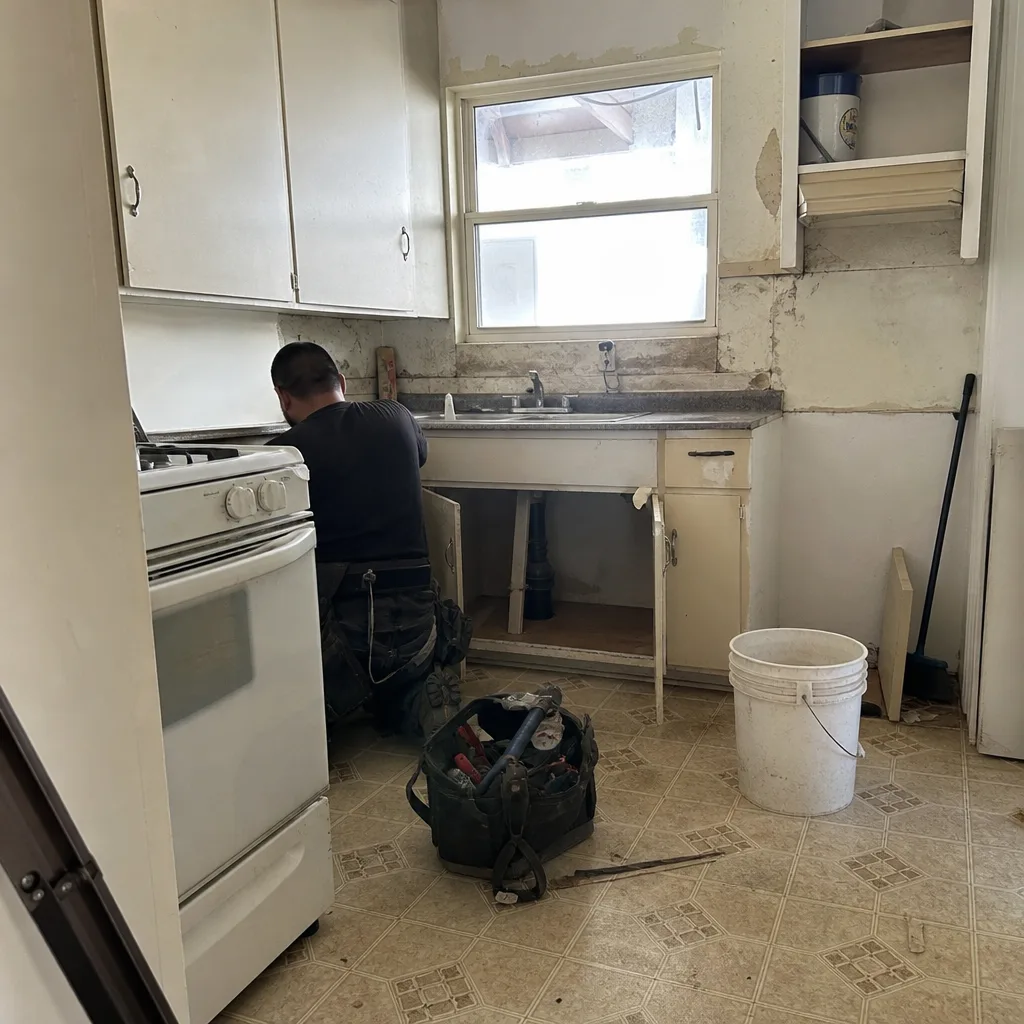 Before
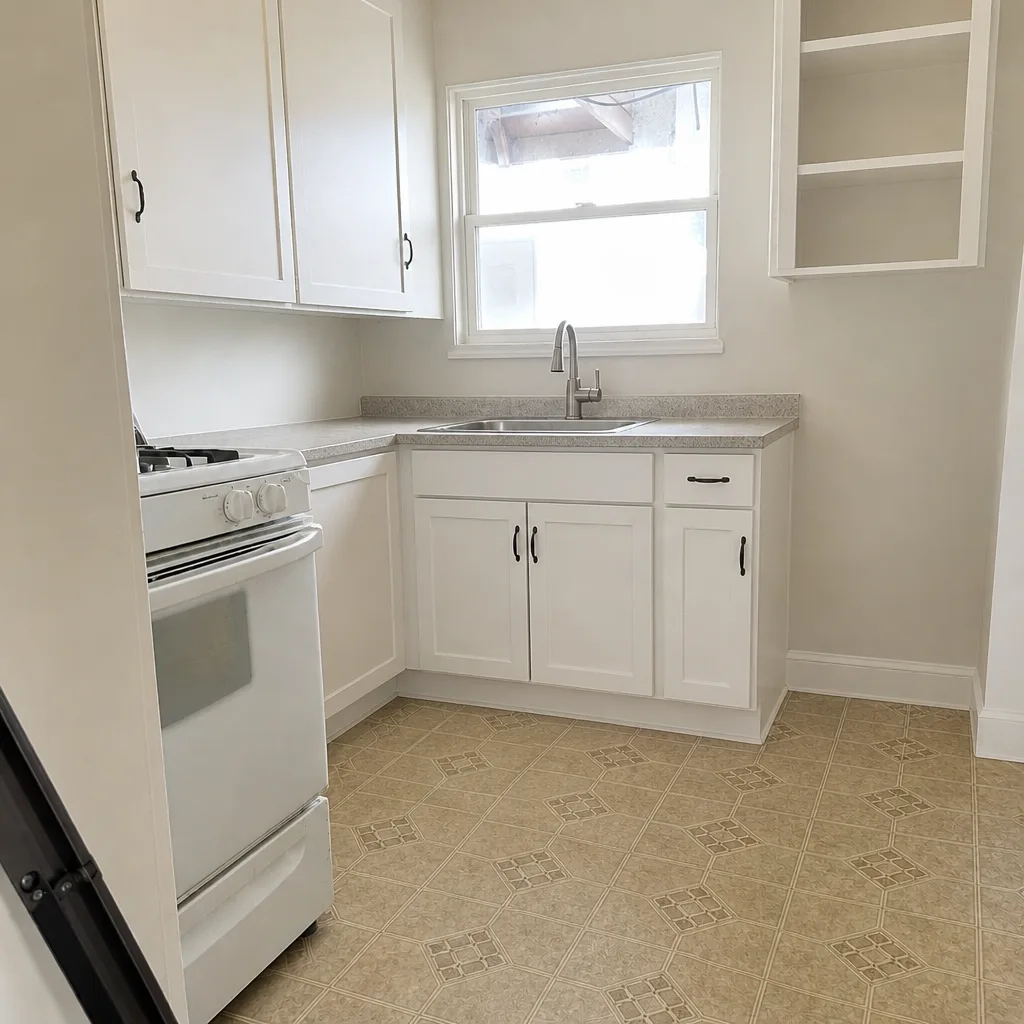 After
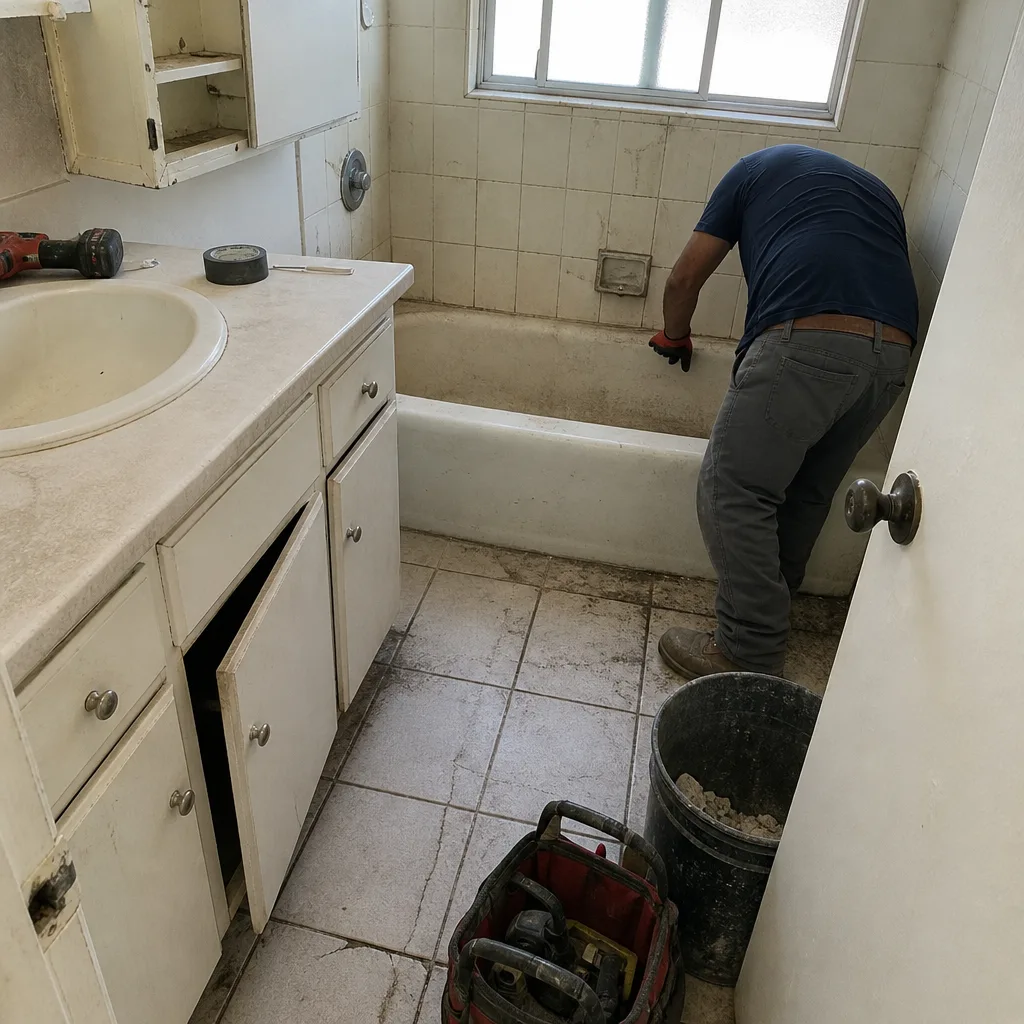 Before
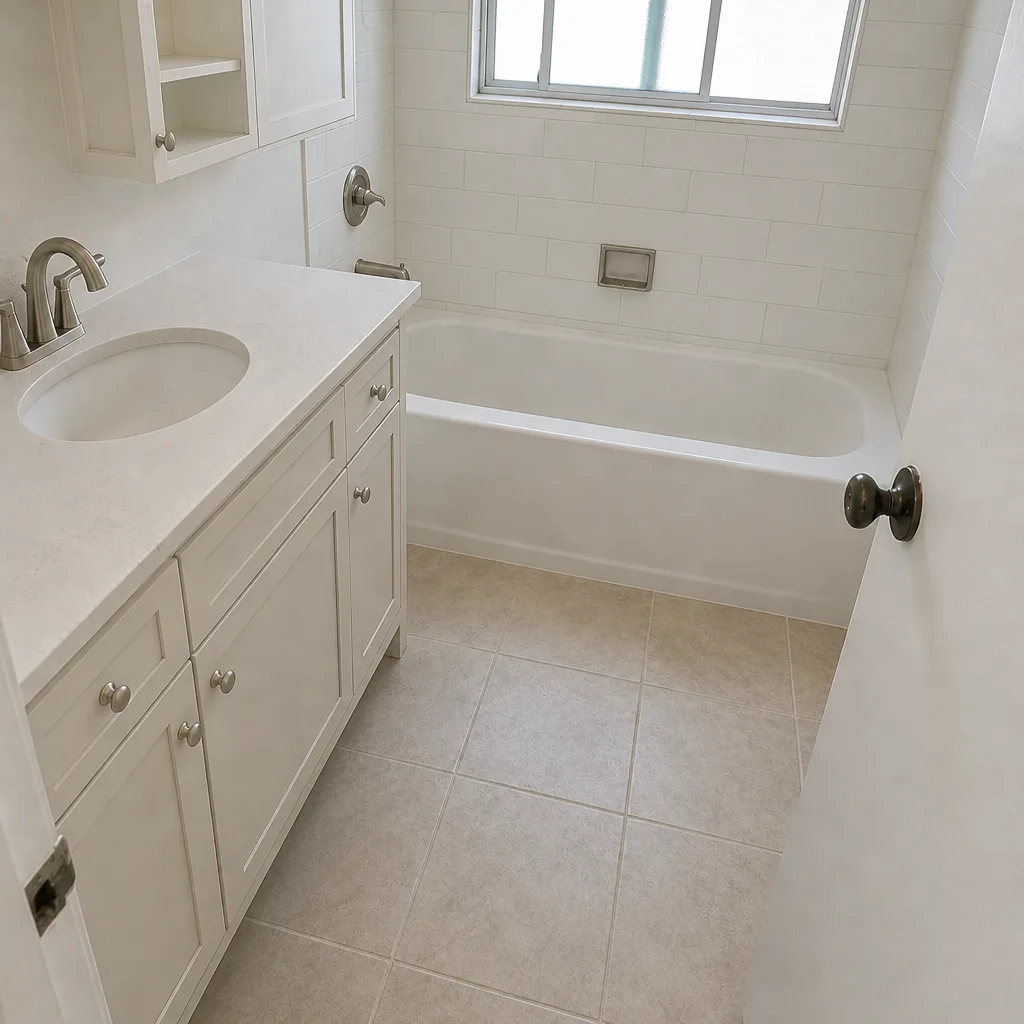 After
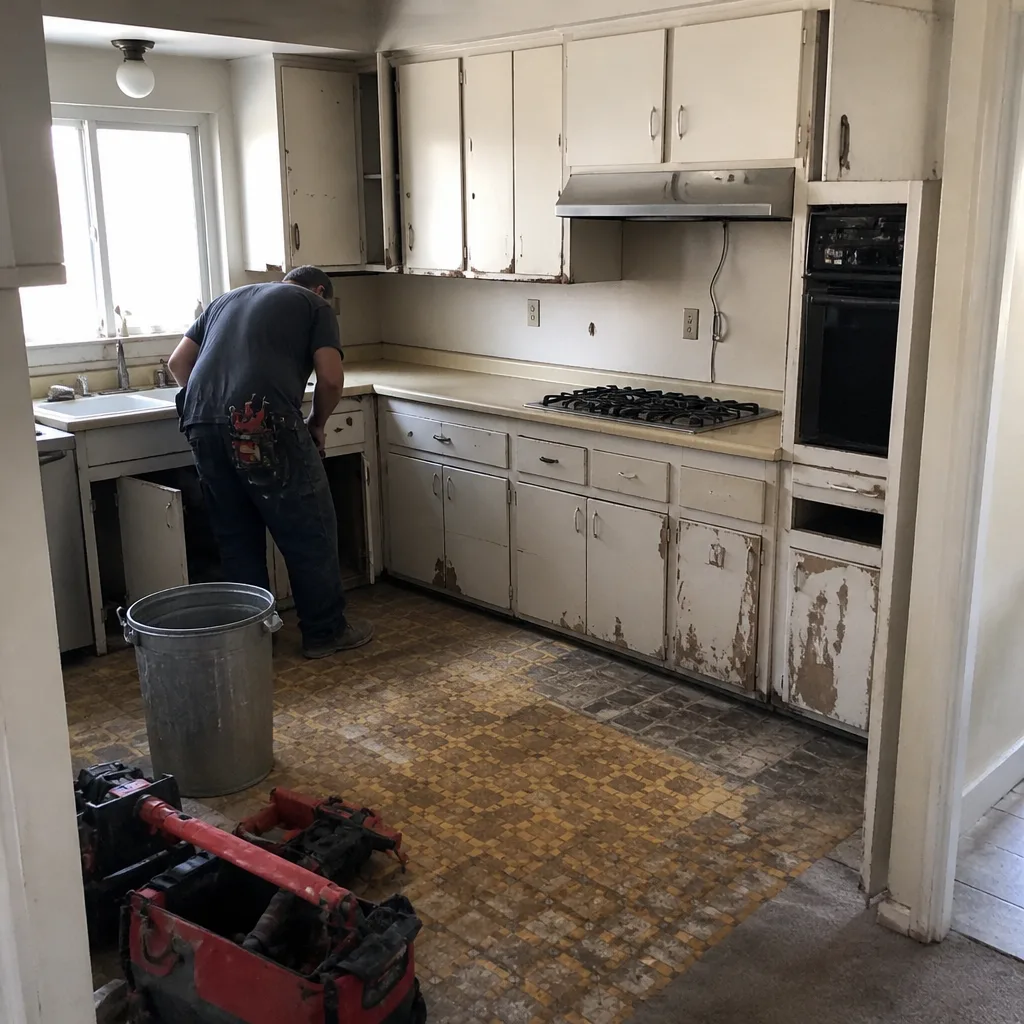 Before
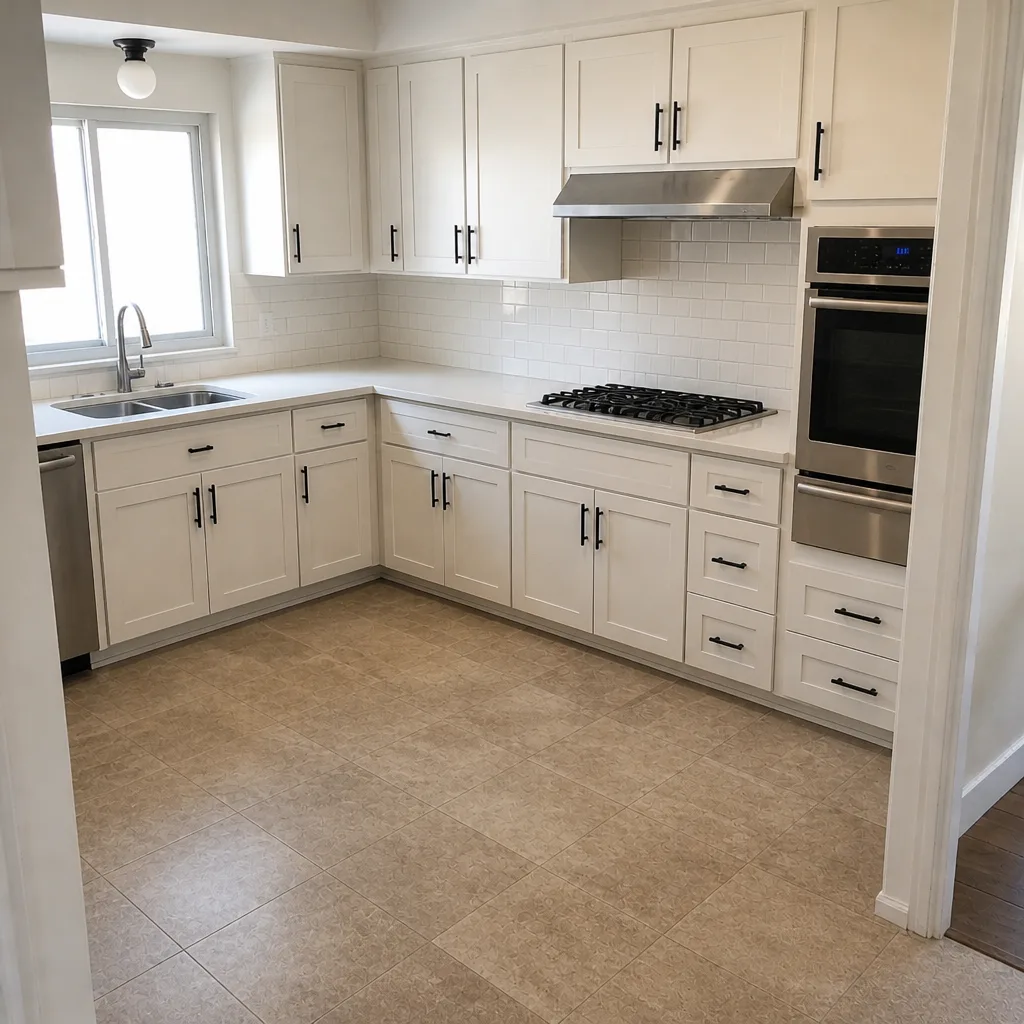 After
When to Call a Professional
Call a licensed contractor when the work touches the building envelope (roofing, windows, exterior doors, siding), the electrical service or any new circuit, any gas line, any structural framing, or the footprint of the home (additions, ADUs, garage conversions). Call when the project is on a critical path (the only bathroom, the roof before rainy season, the kitchen before a move-in). Call when you’re pulling a permit and don’t want to be the responsible party. Call when the work crosses multiple trades and the coordination itself is the project.
Construction West Covina offers free estimates in West Covina for driveways and pavers, fencing, roofing, windows and doors, kitchens, bathrooms, and additions and ADUs. One contractor from the curb to the kitchen means one point of accountability for the whole scope. Call (844) 320-3099. We answer 24/7. Fast dispatch from 7am to 7pm, Sunday through Friday.
Frequently Asked Questions
Only for work that doesn’t require a permit, which generally means cosmetic and non-structural scope: painting, landscaping, minor tile, fixture swaps on existing plumbing and wiring, and similar. Anything touching structural framing, the electrical service, gas lines, roofing, or the building envelope requires a permit in West Covina under California code. Call the city’s building department with your specific scope; the answer is almost always free and definitive.
The Owner-Builder permit lets a homeowner act as their own general contractor on a home they own and occupy, hiring subcontractors of their choosing and taking responsibility for inspections and liability. It carries a residency requirement, restricts use on rental, second, and flip properties, and triggers a specific disclosure requirement at resale. It’s a legitimate pathway for experienced homeowners on smaller or subcontractor-led scopes; it’s not a shortcut around inspection or code compliance. Call (844) 320-3099 for a free estimate if you want to compare to a professional pathway.
Yes, potentially. California insurers typically require improvements to be permitted and code-compliant, and unpermitted work can lead to a claim being denied or limited, or a policy being non-renewed. It can also affect resale financing if a buyer’s lender discovers it. The mitigation is a paper trail: licensed contractors, permits, inspections, and receipts on anything that touches the envelope, the electrical service, gas, or structure.
Interior painting, landscaping at the planting level, minor tile work, fixture swaps on existing plumbing and wiring, and cabinet hardware are all typically safe to do yourself with no permit exposure. Roofing, electrical panel work, gas line work, window and door replacement, full kitchen and bathroom remodels, and any addition or ADU are not DIY-viable in West Covina because of permit, inspection, or safety requirements.
Yes, if the demolition is non-structural and the contractor is expecting to include it as a line item. Removing cabinets, tearing out old tile, pulling up carpet, and staging a site for the crew are legitimately things a homeowner can take on to reduce labor hours on the bid. Confirm with the contractor before you start demo what they want done and to what point; some contractors prefer to control demo themselves to prevent damage to adjacent surfaces.
Cost depends entirely on scope. A retrofit permit on a small unpermitted modification can be a few hundred dollars in permit fees plus contractor time; correcting unpermitted structural or electrical work that requires opening walls, replacing systems, and pulling a new permit can run into five figures. The written estimate sets the final price, and it’s usually lower when the work is caught early. Call (844) 320-3099 for a free estimate; we walk through the pathway on our Construction West Covina page.
The Bottom Line
The DIY vs. professional question in West Covina is not primarily a skill question. It’s a question of whether the project carries permit, inspection, and liability exposure that stays with the home long after the tools are put away. Painting, landscaping, minor tile, and fixture swaps are fine to do yourself. Anything structural, electrical beyond a fixture swap, gas, roofing, envelope-related, or additions-related should go through a licensed contractor with a permit trail behind it. The owner-builder pathway exists and is legitimate, but it shifts liability, inspection responsibility, and resale disclosure onto you. Prep work, demo, and finish painting are the areas where DIY genuinely lowers a professional bid without creating permit exposure. Ask the contractor which line items they want you to take on before the project starts; that’s the version of DIY that works for everyone.
If you’re at the decision point and want a bid to compare against your DIY plan, we’ll give you a written line-item estimate so the comparison is real. Choose your material, we’ll make it work, and you’ll know exactly what the professional pathway covers. Call (844) 320-3099. We answer 24/7. Fast dispatch from 7am to 7pm, Sunday through Friday.
Written by the team at Construction West Covina.