
Last updated November 17, 2026
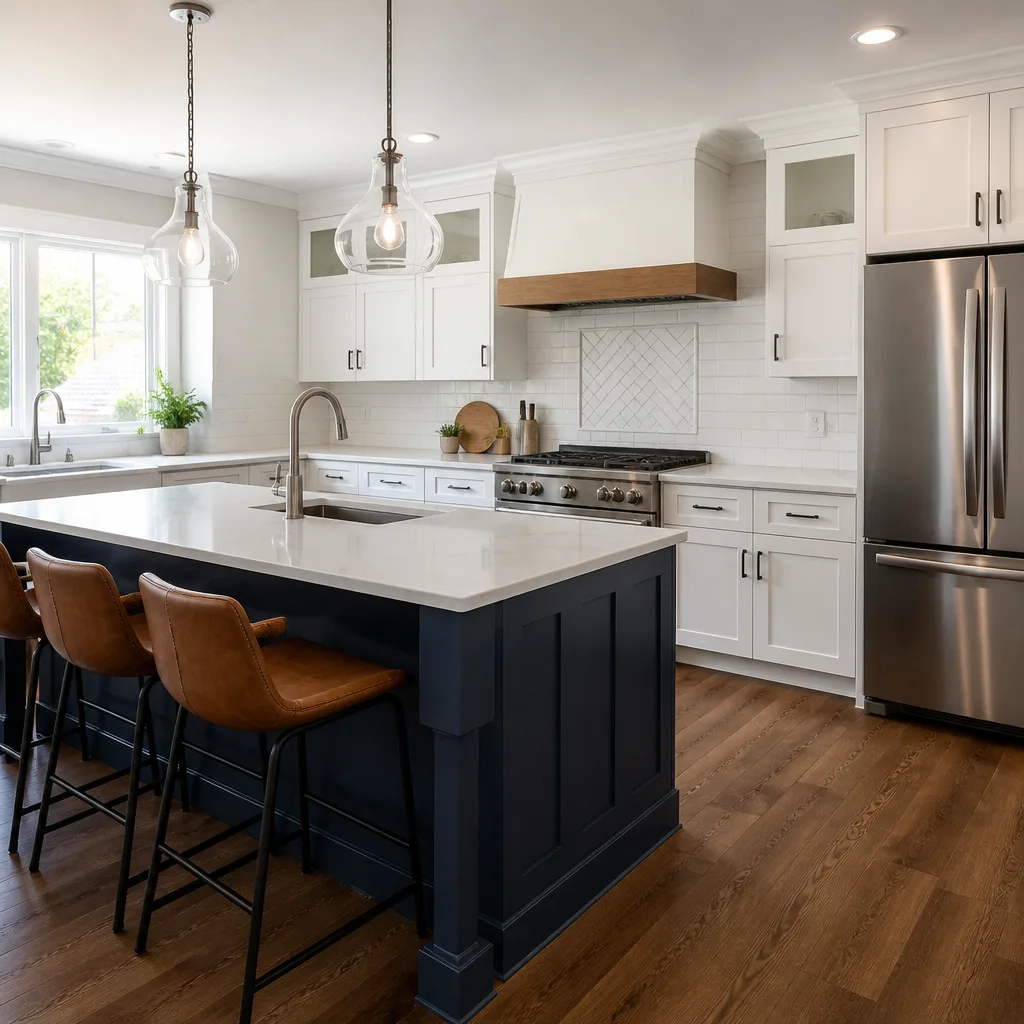 Kitchen remodeling
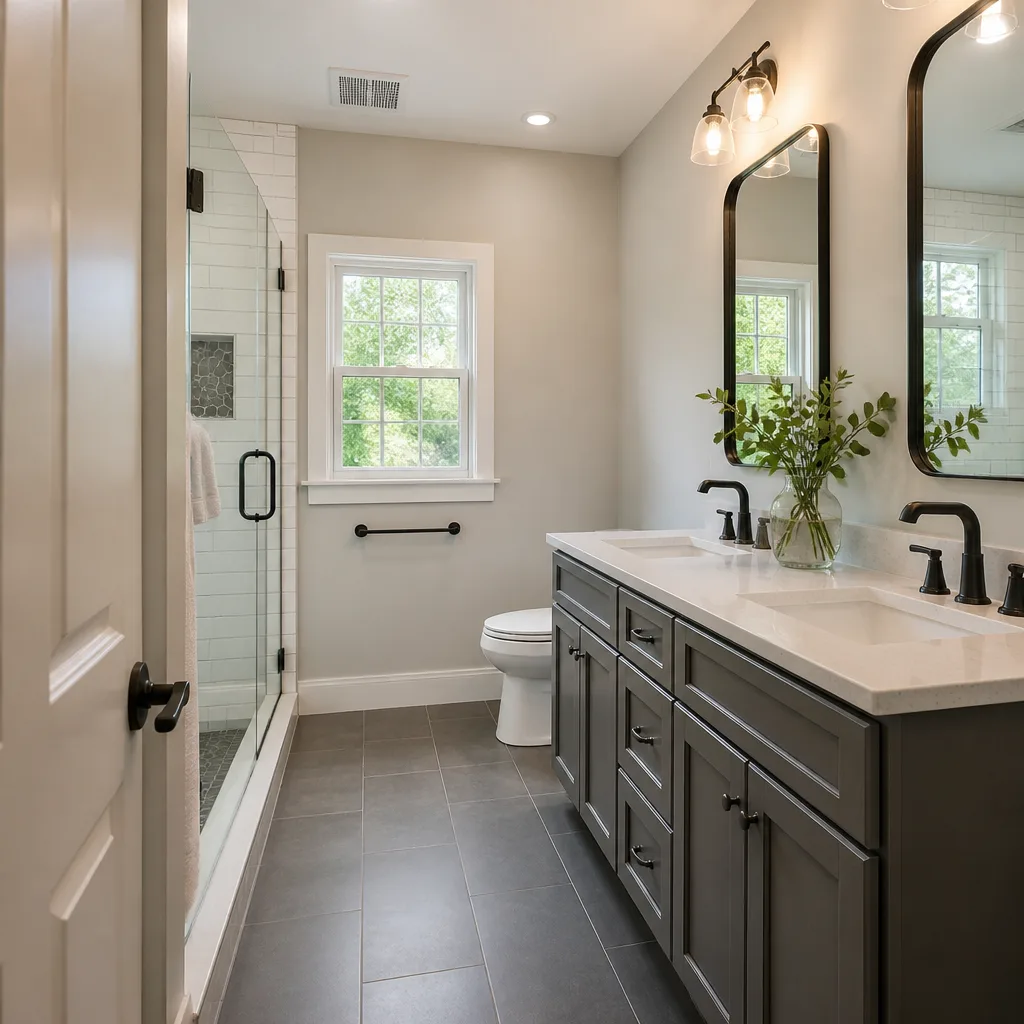 Bathroom remodeling
 Home additions & ADU
 Roofing
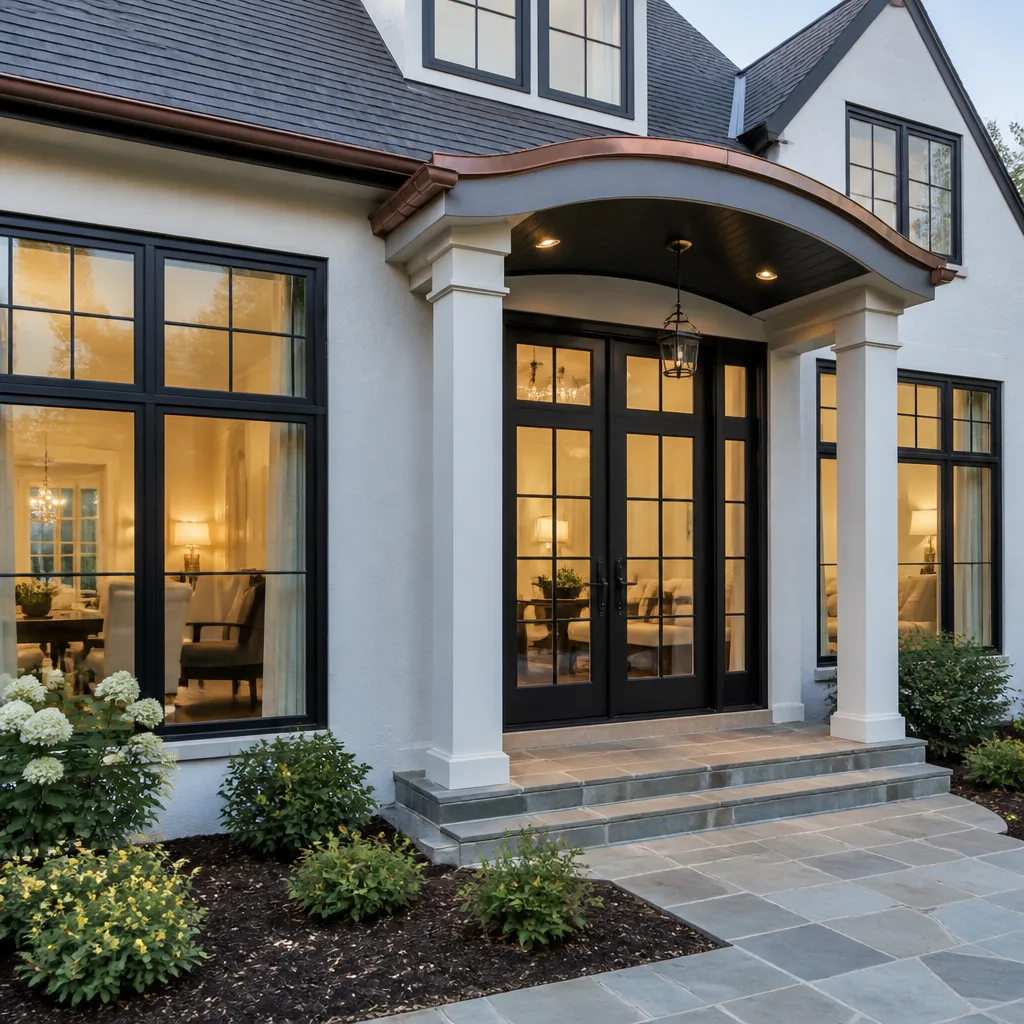 Windows & doors
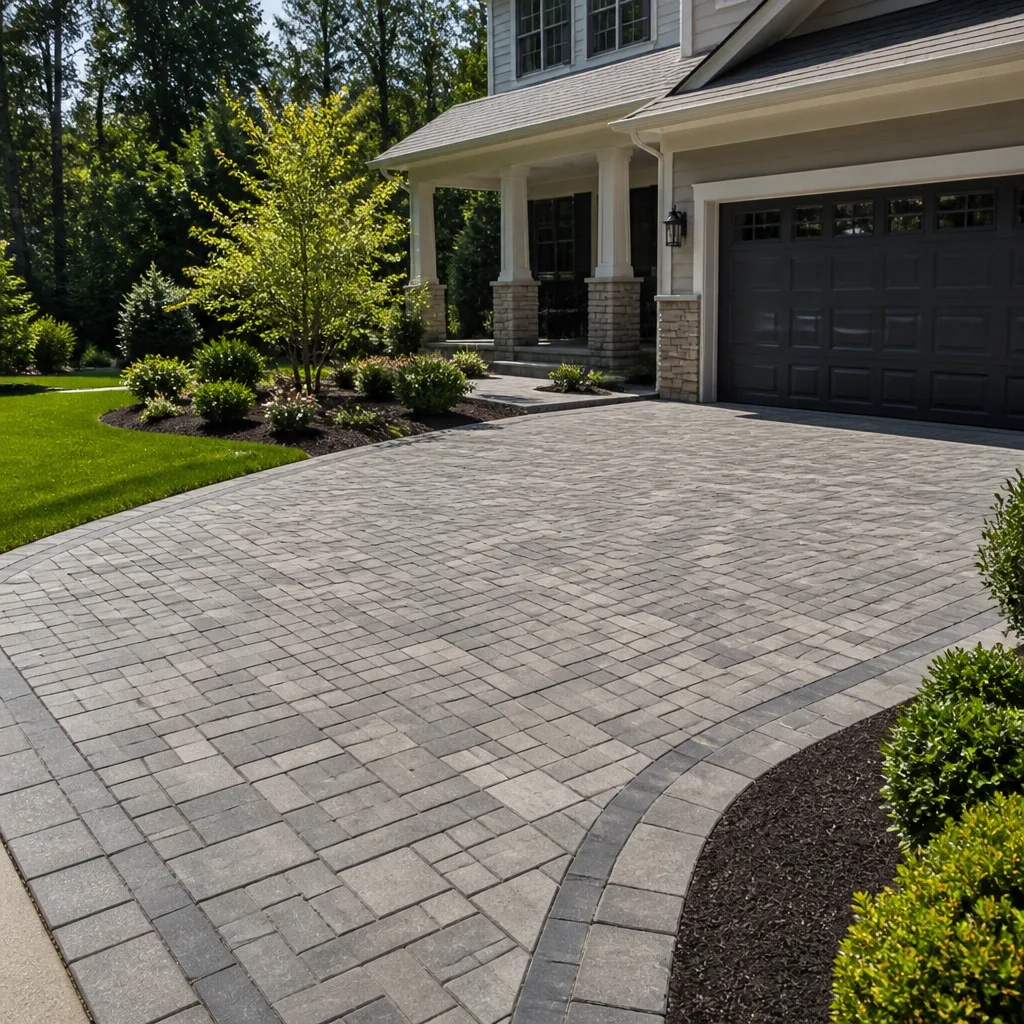 Driveway & pavers
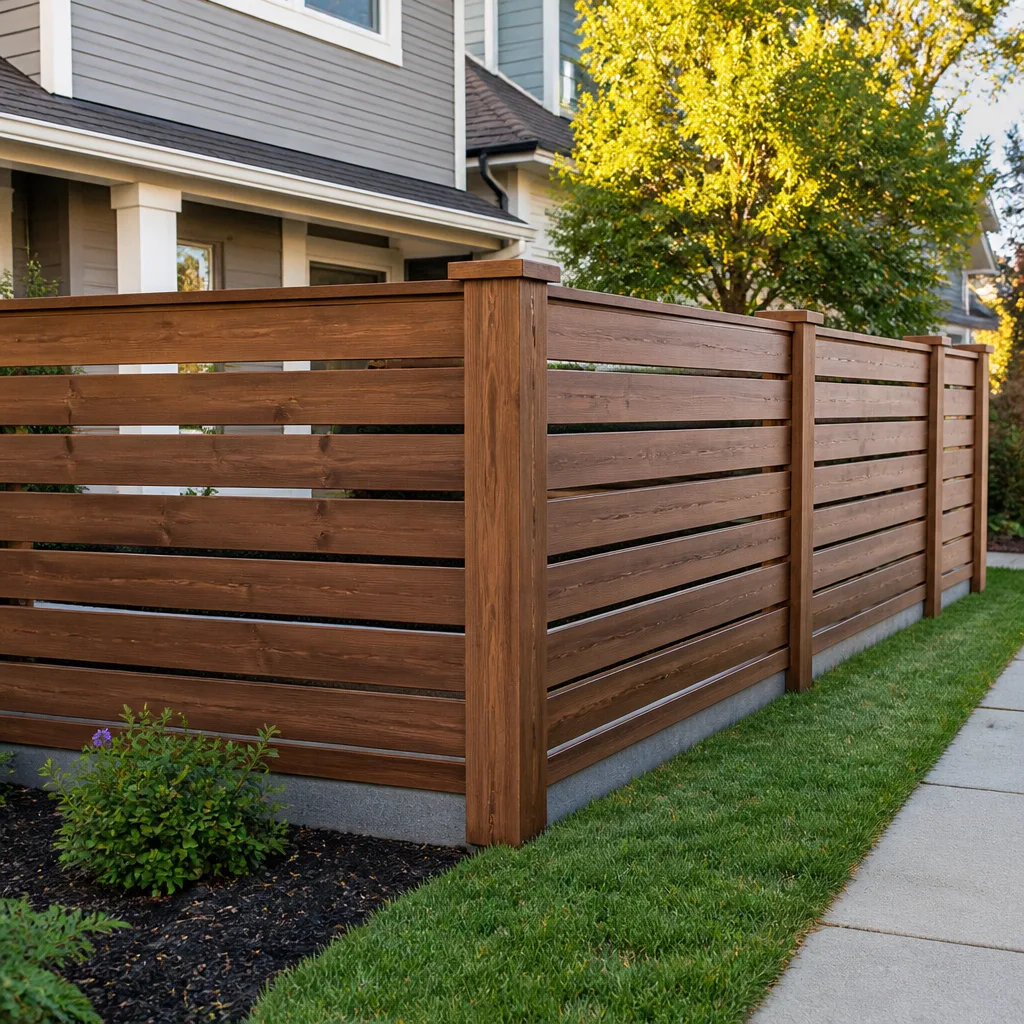 Fence
Free written scope consultation - allowances, timeline, and change-order rules on paper before a single trade is scheduled
How to Hire a Construction Contractor in West Covina: A Step-by-Step Guide
The lowest bid on a West Covina kitchen remodel is almost never the cheapest project. It’s usually the bid with the most line items left undefined, and every one of those blanks turns into a change order once demolition starts and the cabinets are gone. Price is the easiest number to compare and the least useful one. What actually decides whether a project goes smoothly is whether the contractor defined the scope, took responsibility for the permit, and told you up front who swings the hammer on each part of the job. This guide shows you how to read a bid, check a license, and ask the questions that separate a real contractor from a placeholder number. You’ll learn how to compare apples to apples before you sign anything.
Quick Answer
To hire a construction contractor in West Covina, verify the contractor’s license and classification on the California CSLB lookup, get at least three written bids that itemize the five things low bids leave out (permit fees, debris haul-out, sub coordination, material allowances, inspection scheduling), and confirm in writing who pulls the permit and who is responsible for lien waivers. Compare scope and accountability, not just the bottom line. Then interview the contractor about how they handle mid-project surprises before you sign. A complete bid from a licensed contractor beats a cheap one from an unknown every time.
Styles & brands we work with
- Kitchen remodeling
- Bathroom remodeling
- Home additions & ADU
- Roofing
- Windows & doors
- Driveway & pavers
- Fence
Table of Contents
- Why “Get Three Bids” Fails West Covina Homeowners
- Step 1: Check the Contractor’s License and Classification
- The Five Scope Items That Separate a Complete Bid From a Low-Ball
- Single-Trade Specialist vs. Full-Service Contractor: Which Fits Your Project?
- San Gabriel Valley Red Flags: Unlicensed Subs, Odd Permits, and Liens
- Interview Questions That Reveal How They Handle Mid-Project Discoveries
- What Construction Projects Typically Cost in West Covina
- When to Call a Professional
- Common Mistakes to Avoid
- Frequently Asked Questions
Why “Get Three Bids” Fails West Covina Homeowners
Three bids tell you nothing if the three documents describe three different projects. One contractor prices a full kitchen with cabinetry, countertops, and a new floor. Another prices “kitchen remodel, labor only” and leaves the appliances, the countertops, and the permit to you. The second number comes in lower every time, and it isn’t cheaper. It’s just smaller in scope.
In West Covina, where a lot of the housing stock dates to the 1950s through the 1980s and has been added onto or reworked at least once, the gap between a defined scope and a vague one grows wider the deeper you dig. A kitchen wall might hide old knob-and-tube wiring or a header that isn’t sized for a modern opening. Neither shows up in a low-ball bid, and both show up in the invoice after demo.
The real comparison is not bid against bid. It’s bid against bid with a checklist. When every bid answers the same five questions, the difference between the numbers starts to mean something, and you can see what you’re actually buying. That checklist is the spine of this whole guide.
West Covina sits in the eastern San Gabriel Valley, and the housing here reflects decades of additions, room conversions, and garage-to-living-space projects. That history matters when you hire, because a contractor used to working on one clean, single-era home may not be prepared for the surprises in a property that’s been modified three times. Whoever you hire needs to plan for what’s behind the wall, not just what’s drawn on the page.
Step 1: Check the Contractor’s License and Classification
Every contractor doing work in California over a certain dollar threshold has to hold a license from the Contractors State License Board, and every one is searchable. The check takes a few minutes and it’s the single most important step you’ll take.
How to read the CSLB lookup
- Go to the CSLB license search. Search by license number or by business name. Confirm the name and address match the paperwork the contractor hands you.
- Check the status. A license should read “active” and “current.” “Expired,” “suspended,” or “revoked” is a stop sign. “Delinquent” usually means the licensee owes the board payment and the license may not be valid for contracting.
- Check the classification. The letter codes tell you what trade the license covers. A general engineering contractor is not the same as a general building contractor, and neither is the same as a specialty trade license. Match the classification to your project type. A single trade license won’t cover a multi-trade remodel on its own.
- Check the issuing dates and the bond record. The board publishes discipline and bond history. A clean record isn’t a guarantee, but a long list of complaints tells you something.
- Ask for the number directly. A contractor who can’t produce a license number on request is not one to hire.
What the classifications mean for you: a general building contractor can take a project that involves more than two unrelated trades and can coordinate them. A specialty contractor (roofing, fencing, concrete, drywall, each a different classification) is limited to their trade. If your West Covina project involves paving the driveway, redoing the roof, and remodeling a bath all at once, you need either a general contractor who can coordinate it or a firm that operates as a single source across those trades. That’s exactly why the scope question in the next section matters so much, and why we structure construction West Covina as one contractor from the curb to the kitchen rather than a string of specialists.
The license check also protects you with the state. Contractors working on a job they aren’t licensed for, or without workers’ compensation coverage, leave you exposed. Look for the license on their written agreement, the same number on the CSLB search, and a signed contract that cites it.
The Five Scope Items That Separate a Complete Bid From a Low-Ball
This is the heart of the guide. When you’re comparing bids, don’t read the total at the bottom first. Read for these five items. Any missing one is a gap that becomes a change order.
1. Permit fees
Who pulls the permit, and does the bid include the fee? A complete bid names the permits it covers, names the fee, and names who signs. A low-ball bid says “permits not included” or ignores the subject. In West Covina, the city building department issues the permits and inspects the work, and the fee is a real cost that belongs in the number you’re comparing. If the contractor says the permit isn’t needed for your project, ask why, and check the city’s building department yourself before you accept that.
2. Debris haul-out
Every remodel generates debris. A defined bid says what happens to it and who pays. An undefined bid leaves you with a dumpster on the lawn and a question about who fills it and empties it. Look for the line on demolition and disposal, and the cost attached to it.
3. Sub trade coordination
Almost every remodel needs more than one trade: framing, plumbing, electrical, tile, and so on in a bathroom; roofing, windows, and exterior on the envelope. A complete bid tells you who handles the coordination and who carries the subcontractors. A low-ball bid leaves the coordination to you. If a homeowner is managing the sub trades, that’s a job, not a bid.
4. Material allowances
Allowances are the soft spot in every contract. A complete bid lists allowances with actual dollar figures, so you know what each one covers. The alternatives matter here. A bid that says “cabinets: allowance” with no number is not bid at all, because the number changes the total. Ask for the allowance on tile, countertops, fixtures, windows, and doors, and check that it’s realistic for what you actually want. Cabinet brands like KraftMaid, countertops from Cambria or Caesarstone, and plumbing fixtures from Kohler or Grohe sit at different price points. An allowance too low to buy what you want is a low bid with a hole in it. Bring our driveway & pavers and other service pages to the conversation as reference for what materials mean across scopes, since a whole-home project may touch several.
5. Inspection scheduling
Permitted work gets inspected, and the schedule matters. A complete bid says who schedules the inspections and who’s responsible for passing them. A low-ball bid leaves the inspection to chance, and inspections that get forgotten can stall the project for weeks. Look for the words “inspections scheduled and passed” or something close in the contract.
When a bid survives all five, the bottom line means something worth comparing. Here’s how to structure that comparison:
| Scope Item | What a Complete Bid Says | What a Low-Ball Bid Says |
|---|---|---|
| Permit fees | Lists each permit and its fee, names who pulls | “Permits not included” or silence |
| Debris haul-out | States disposal cost and who removes | Missing entirely |
| Sub coordination | Names who handles trades and carries subs | Leaves coordination to homeowner |
| Material allowances | Numbers each allowance with a realistic figure | “Allowance” with no number, or unrealistically low |
| Inspection scheduling | States who schedules and owns inspections | Not mentioned |
Ask each bidding contractor to address all five in writing. Then the comparison is fair. For the single-trade pieces, our pages on fence installation and home additions & ADU show how a well-defined scope reads in those categories.
Single-Trade Specialist vs. Full-Service Contractor: Which Fits Your Project?
These two models aren’t competing on the same thing, so comparing their prices directly is a mistake. A specialty contractor focuses on one trade and usually delivers it well and quickly. A full-service contractor coordinates multiple trades under one contract. The right choice depends on what your West Covina project actually needs.
For a single, self-contained job (a new roof, a fence replacement, a driveway pour), a specialist is often the cleanest fit. The job is scoped to one trade, one crew, and one warranty, and there’s little coordination to manage. Smaller projects and tight budgets usually fit this model.
For a project that crosses trades, the specialist model starts to fray. A kitchen remodel that touches plumbing, electrical, drywall, cabinetry, and countertops is a coordination job as much as a trade job. A whole-home upgrade (roof, windows, driveway, fence, and interior at once) is a scheduling and accountability problem more than anything. That’s where a firm that handles every layer under one contract earns its place: you don’t start over with a new company every time a piece of the project changes. One contractor from the curb to the kitchen, one point of accountability, one place to call.
Here’s how to decide:
- Fit the specialist model if your project is confined to one trade, you’re comfortable owning the coordination yourself, and you aren’t planning additional phases.
- Fit the full-service model if your project spans more than two trades, you want a single contract and a single point of accountability, or you plan to add phases (an ADU now, a kitchen later) and don’t want to restart the vetting process each time.
- Fit a hybrid if you’re starting with one scope but expect to expand, and the contractor can take on additional trades down the road without a change of contract.
The key is to ask the contractor which model they’re built for, and check the license classification and the brand relationships to see if the answer holds. Brands matter too, because a contractor with an established roster of industry names (GAF or CertainTeed for roofing, KraftMaid and Wellborn for cabinets, Cambria and Silestone for counters, Belgard and Unilock for pavers, PGT and CGI for windows) can offer options rather than a single generic supplier. That breadth is the homeowner’s advantage: choose your material, we’ll make it work. It’s worth noting how much of what you’ll compare lives in a small set of trades, and how a project like a home addition pulls several of them together.
San Gabriel Valley Red Flags: Unlicensed Subs, Odd Permits, and Liens
Some red flags are universal. Some are specific to the San Gabriel Valley and to older West Covina properties. Here are the ones worth watching for.
- Unlicensed subcontractors. In a region with a deep pool of legitimate trades, an unlicensed sub is a choice, not a necessity. Ask who’s on the job and confirm their license and insurance. If the contractor dodges the question, that’s the answer.
- Permits pulled in the homeowner’s name without explanation. Sometimes a permit can legally be pulled by a homeowner, but if that’s part of the plan you should understand why and what it means for your inspection responsibility. A contractor pulling a permit in your name to keep the job off their own record is a serious red flag.
- No written lien waiver process. A lien is a claim against your property for unpaid work or materials. California has specific rules around mechanics’ liens, and a complete bid includes a process for lien releases as the project is paid. A contractor who can’t describe their lien waiver process in plain language is one to walk away from.
- Big deposit, no contract. A large up-front deposit with no signed, detailed contract and no license number on it is the classic setup for a bad project. The contract should be in writing, spell out the scope and the price, and reference the license.
- Vague answers on who does what. If a contractor won’t say which subs are on the job and which parts they’re handling, you’re not getting a bid, you’re getting a number. Look for specifics.
- No willingness to let you speak to past references. A real contractor with a real reputation can point you to recent work you can actually visit or call. If references are vague or withheld, look harder elsewhere.
- Unfamiliarity with local code. West Covina is a specific city with its own building department and its own requirements. A contractor who brushes off the permit question or claims local rules don’t apply is telling you they don’t plan to pull a permit or pass an inspection.
None of these is automatic disqualification. Together, they form a picture. If two or three show up in the same bid, keep looking.
Interview Questions That Reveal How They Handle Mid-Project Discoveries
Any contractor can promise a smooth project before it starts. The question that matters is what happens when the project hits a surprise, because on an older West Covina home, it will. Rot behind siding, outdated wiring in a room being converted, or framing that isn’t up to a modern opening is normal on a house of a certain age. You want to know how this contractor handles it, in advance.
Ask these questions before you sign:
- “What’s your process when you open a wall and find something that changes the scope?” A good answer describes stopping work, documenting the finding with photos, giving you a written change with a price, and getting your approval before proceeding. A weak answer is “we’ll just fix it.”
- “Who’s responsible for code compliance if the plan doesn’t match what’s in the wall?” The right answer is the contractor and their permit. If they say “the homeowner owns that risk,” you’re on your own when the inspection gets picked apart.
- “How do you handle change orders in writing?” You want a written change order process with a figure, a reason, and a signature. No oral changes, no “we’ll settle up at the end.”
- “Can you show me the template of your contract, including the change order language and the lien waiver template?” A contractor who can produce both documents on request is prepared. One who can’t is improvising.
- “Which subcontractors will be on this job, and how do you vet and insure them?” You want names, licenses, and insurance. You want the answer to include a process, not a shrug.
- “If a surprise comes up, will you stop the project or work through it?” The right answer stops the project and gets written approval. The wrong answer works through it and adds it to the bill later.
- “What’s the schedule for a project like this, and what usually causes a delay?” An honest contractor names the usual suspects (inspection timing, material lead times, hidden conditions) and describes how they plan around them. A contractor who promises a flawless, exactly-on-schedule project on a home of unknown age is overpromising.
The pattern in the good answers is documentation and written approval before the homeowner pays for a surprise. That’s the standard to hold every bidder to, and it’s the standard we hold ourselves to at Construction West Covina, whether we’re working a kitchen, a roof, or an ADU. The same discipline applies if you’re starting to plan an addition, and our home additions & ADU page is where that conversation begins. Our technicians have up to 10 years of experience, and that experience shows up most in the questions they ask before the first cut.
What Construction Projects Typically Cost in West Covina
Prices vary by scope, materials, and what the home actually needs, so any number here is a range, not a quote. What follows is a sense of typical project ranges to help you read a bid with some context. The written estimate sets your final price, and a free estimate is where you get a real number.
| Project | Typical Range (Estimated) |
|---|---|
| Single-trade jobs (fence, driveway, roof) | Varies by size and material; priced per job after site review |
| Bathroom remodel | Priced by scope; a written line-item estimate sets the total |
| Kitchen remodel | Priced by scope; ranges widely with cabinet and countertop choice |
| Home addition or ADU | Priced by square footage and system choice; varies with prefab versus stick-built |
Notice what’s not here: a single number you can compare across the city. That’s on purpose. A kitchen bid built around KraftMaid cabinetry and Cambria quartz isn’t the same number as one built around lower-cost alternatives, and neither is wrong. The right number depends on what you’re putting in the room. The same logic applies to a roof (GAF and CertainTeed systems sit at different price points) and to pavers (Belgard, Unilock, Techo-Bloc, Cambridge Paver, and Tremron all offer different grades). Our brand portfolio across these categories exists so you can choose the material and we make the scope work around it.
For the highest-value question of all, ask each contractor to itemize the estimate, not just total it. A line-item estimate tells you what each piece of the project costs and lets you compare bids on a level field. It also tells you what’s missing from a cheaper bid. When you’re comparing, use the scope checklist above alongside the bottom line. Call (844) 320-3099 for an exact quote. We answer 24/7. Fast dispatch from 7am to 7pm, Sunday through Friday.
When to Call a Professional
Some projects need a licensed contractor and a permit, full stop. Anything structural (removing a wall, an addition, an ADU), anything involving gas lines, anything involving the electrical panel, and anything on the roof that puts you at height needs a pro. A bathroom or kitchen remodel that moves plumbing or electrical, a driveway or paver installation, and a fence installation all normally involve permits or engineered details, and they’re worth doing right the first time.
If your West Covina project spans more than one trade, or you’re starting to plan a phased upgrade across several years, this is the moment to get a single point of accountability instead of chasing a new company for every piece. Construction West Covina offers free estimates in West Covina. Call (844) 320-3099 to schedule yours, and we’ll walk the project with you and give you a written, line-item estimate before any work begins.
Common Mistakes to Avoid
- Comparing bottom lines without comparing scope. A lower number almost always means a smaller-defined scope. Compare the five scope items first, then the total.
- Not checking the CSLB license and classification. Ten minutes on the board’s website can save you a project. Match the classification to your project type, not just the name on the card.
- Signing before you’ve seen the change order language. If the contract doesn’t describe in writing how a mid-project surprise gets priced and approved, you’re signing up for an open-ended project.
- Accepting “permits not included” as normal. In West Covina, permits are part of most remodels and they should be in the bid. If they’re excluded, ask why and price the difference.
- Letting the contractor skip the lien waiver process. Ask how lien releases work on this project. A contractor who can’t describe them is a risk to your property title, not just your budget.
- Choosing on price alone when the project uses brands. A bid with a “cabinets: allowance” line and no number isn’t a bid; the number changes once you pick the cabinets. Insist on a number and then choose the brand.
- Hiring a single-trade specialist for a multi-trade project without a plan for who coordinates. Someone has to own the schedule. If it’s not the contractor, it’s you.
See the difference
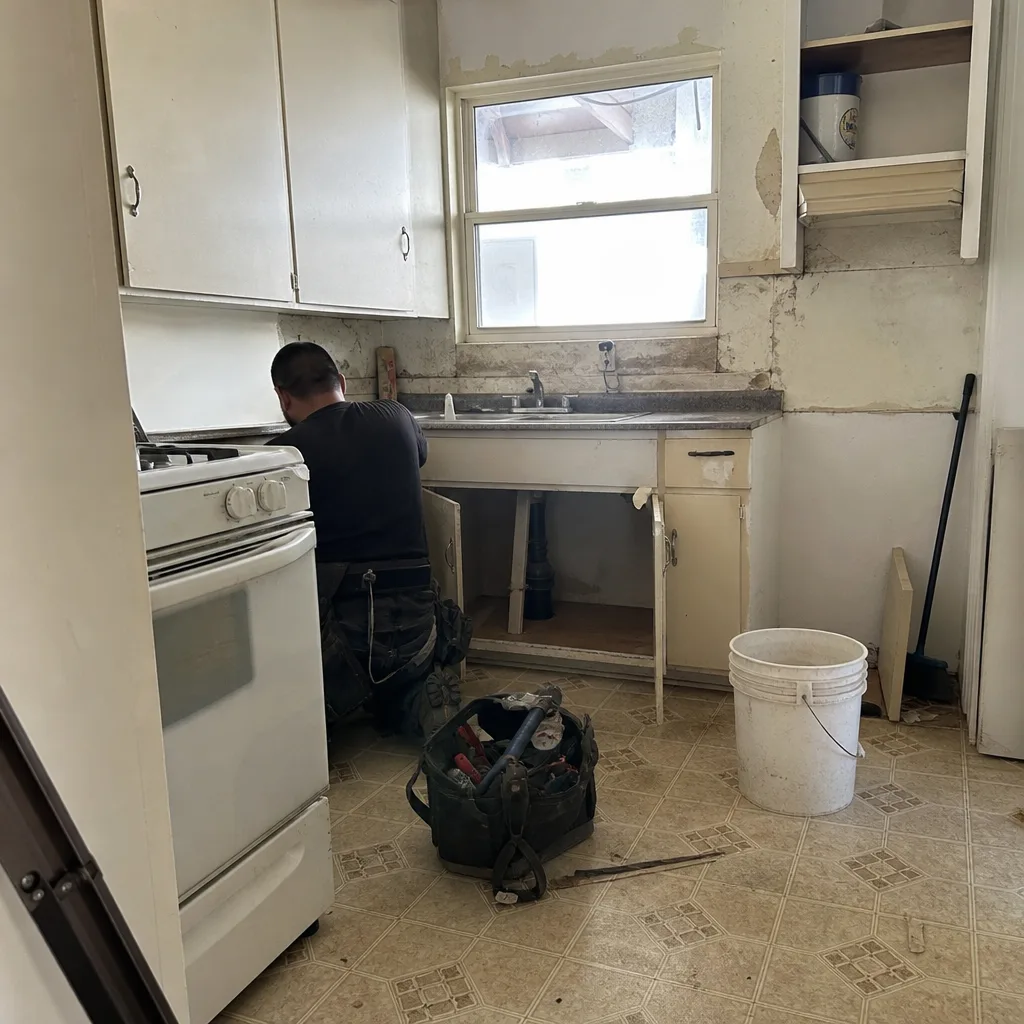 Before
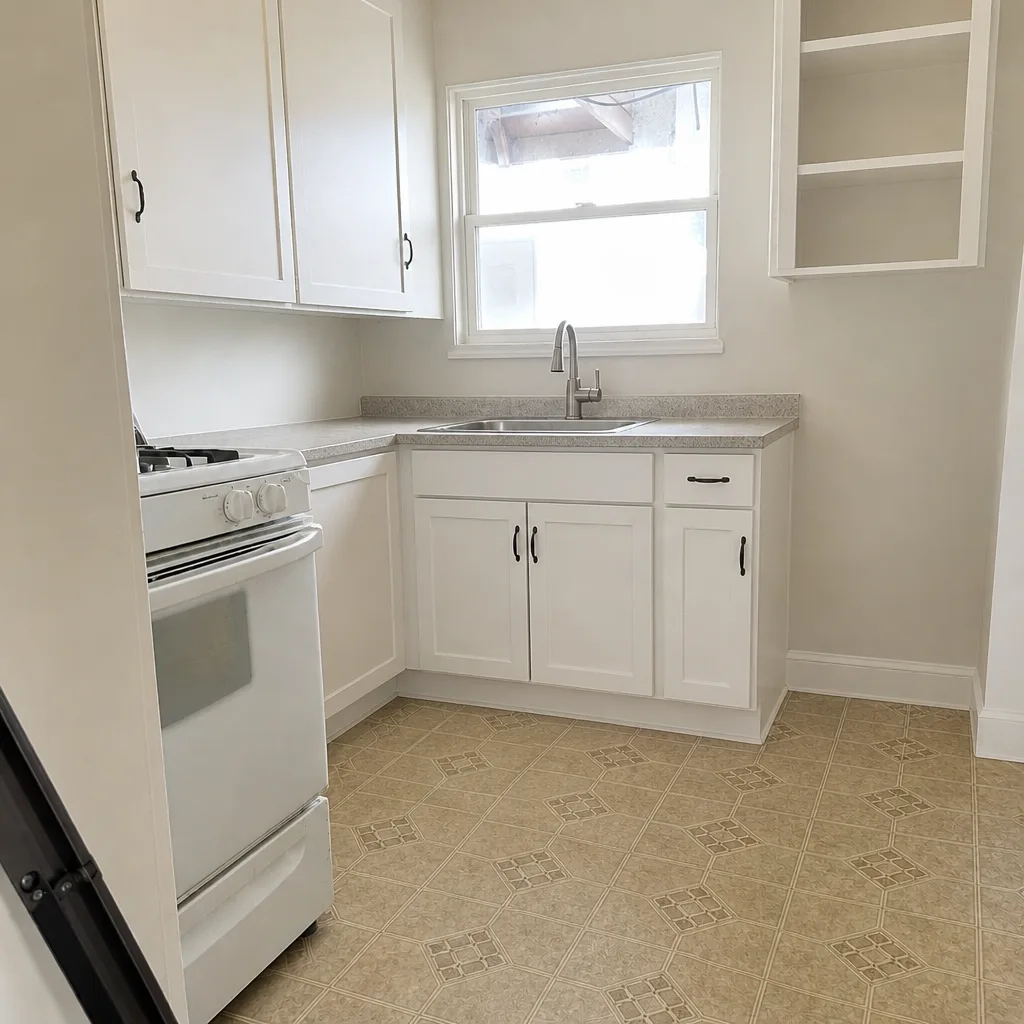 After
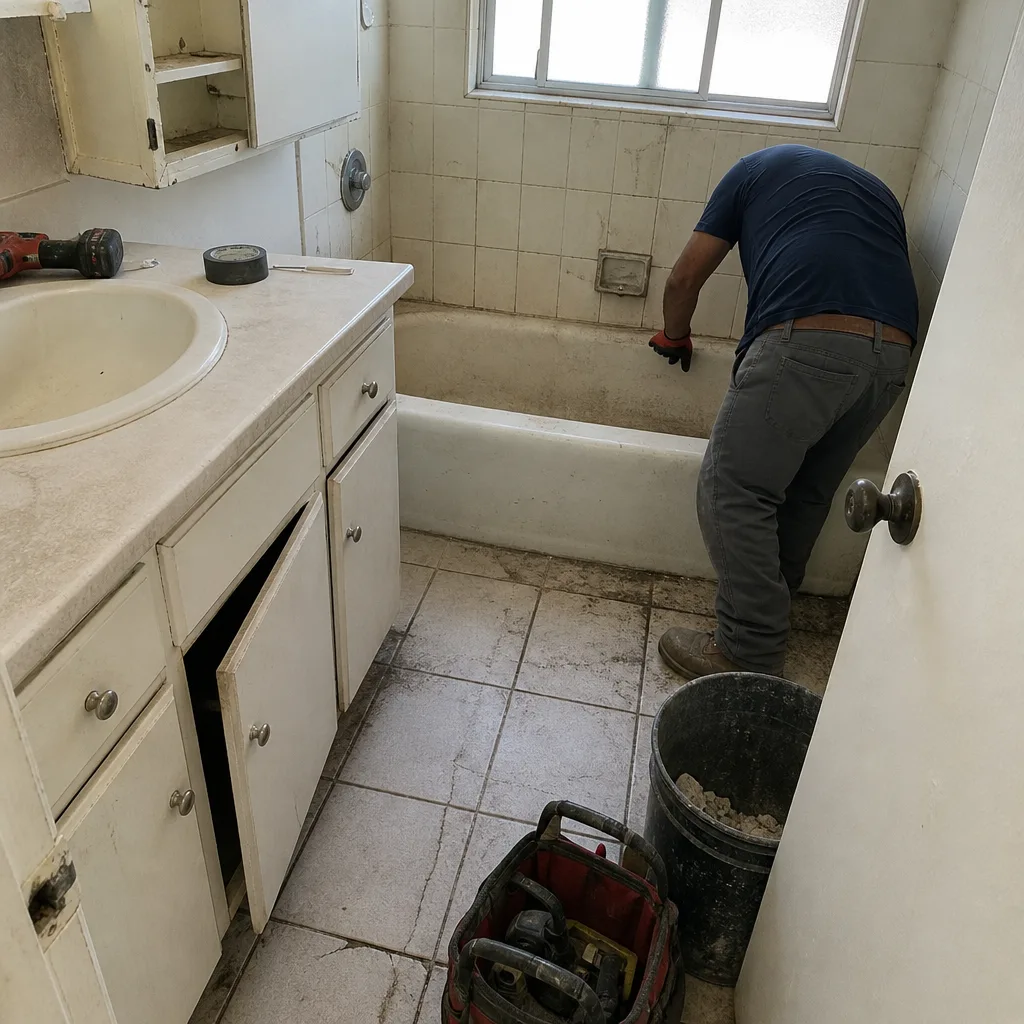 Before
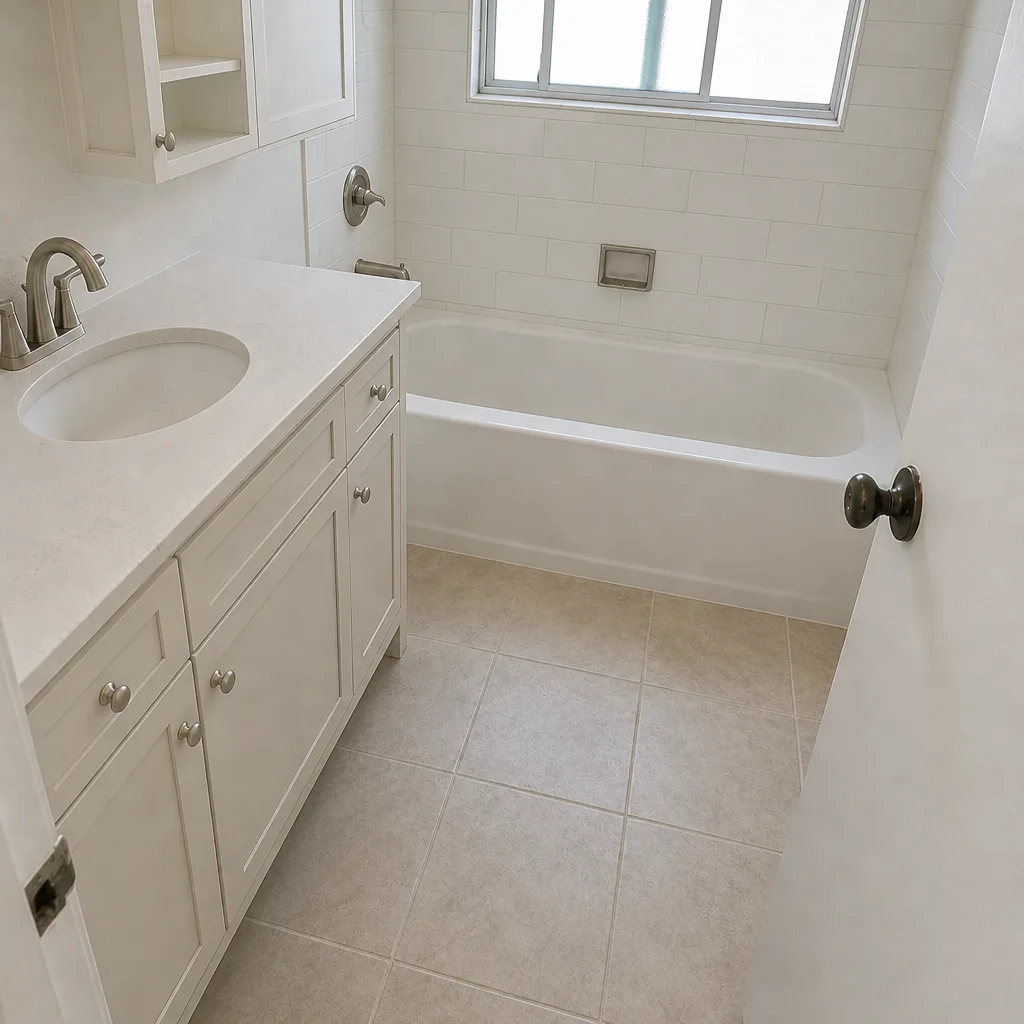 After
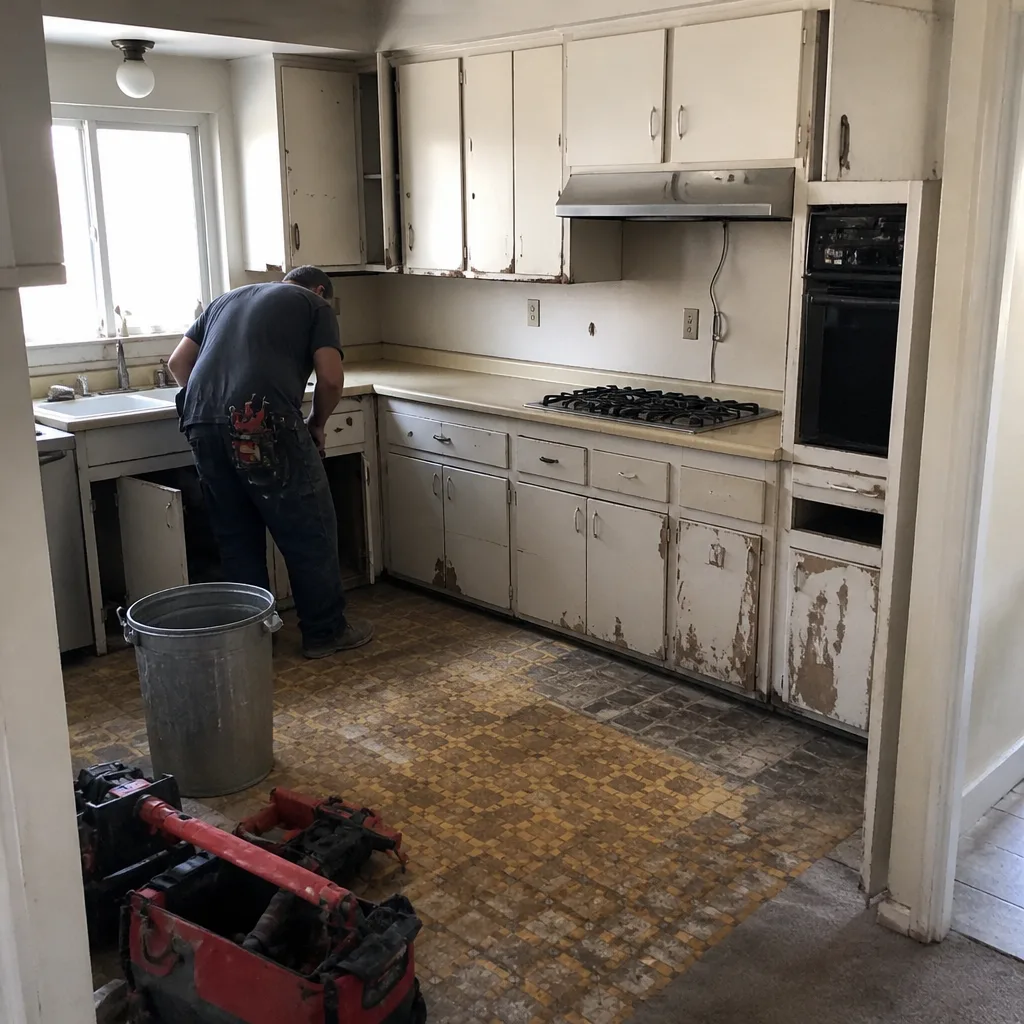 Before
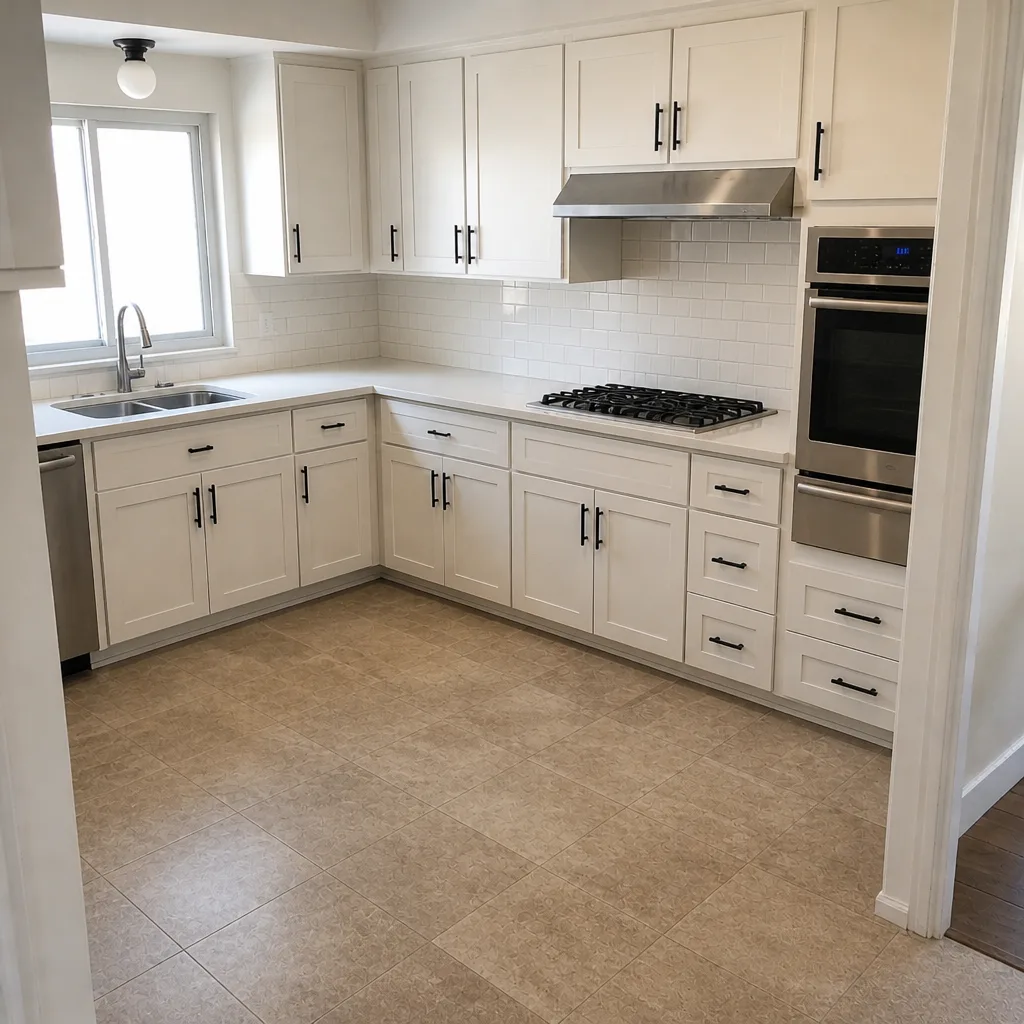 After
Frequently Asked Questions
Search the contractor’s name or license number on the California Contractors State License Board website, confirm the license is active and current, and confirm the classification matches your project type. Then check that the same license number appears on your written contract. Call us for a free estimate once you’ve done that.
Most kitchen and bathroom remodels in West Covina touch plumbing or electrical, and those trades typically require a permit and inspection from the city building department. A complete bid names the permits it covers and who pulls them. If a contractor says no permit is needed, check with the city’s building department before you accept that.
It can, if the project hits a mid-project discovery like rot or outdated wiring, but only a contractor with a written change-order process protects you from surprise costs. A good contractor stops work, documents the finding, gives you a written change with a price, and waits for your approval. Any bid without that process leaves the door open for cost creep. Call (844) 320-3099 for a written line-item estimate that spells out the process.
Yes, because a lien is a claim against your property for unpaid work or materials. Ask each bidding contractor how they handle lien waivers and releases as the project is paid, and get the process in writing. A contractor who can’t describe their lien process in plain language is one to pass on.
For a self-contained job in one trade (a fence, a roof, a driveway), a specialist is often a clean fit. For a project that crosses trades (a kitchen, a bathroom with plumbing and electrical, a whole-home upgrade), a full-service contractor gives you one contract, one schedule, and one point of accountability. Decide based on scope, not just the bid.
Ask how they handle mid-project discoveries, who pulls the permit, whether sub trades are coordinated in the contract, how material allowances are priced, and whether inspections are scheduled and owned by them. Ask for the change order and lien waiver templates. If any answer is vague, call the next contractor on your list. Call (844) 320-3099 to schedule a free estimate with us and see the written process yourself.
The Bottom Line
Hiring a contractor in West Covina comes down to comparing the right things. Check the license and classification on the CSLB site. Get bids that itemize the five scope items: permit fees, debris haul-out, sub coordination, material allowances, and inspection scheduling. Confirm in writing who pulls the permit and who handles lien waivers. Then ask the interview questions about mid-project discoveries, because the answers tell you how the project will feel once the walls come down. Price is one number. Scope and accountability are the rest of the story. Choose a contractor who puts both in writing, and the project has a much better chance of going the way the bid promised.
If you’re ready to move from research to a real estimate, Construction West Covina handles the whole home, from the roof and windows to the kitchen and the driveway, under one contract. Call (844) 320-3099 for a free estimate. We answer 24/7. Fast dispatch from 7am to 7pm, Sunday through Friday.
Written by the team at Construction West Covina.